A new Holocaust-themed film has sparked debate for its sentimental approach and questionable historical portrayal. The Israeli-Belarusian co-production 'Stork of Hope' arrives on digital platforms from 5 January, offering a story of survival that critics argue leans heavily into cliché and national myth-making.
A Narrative Questioned for Sentiment and Historical Rigour
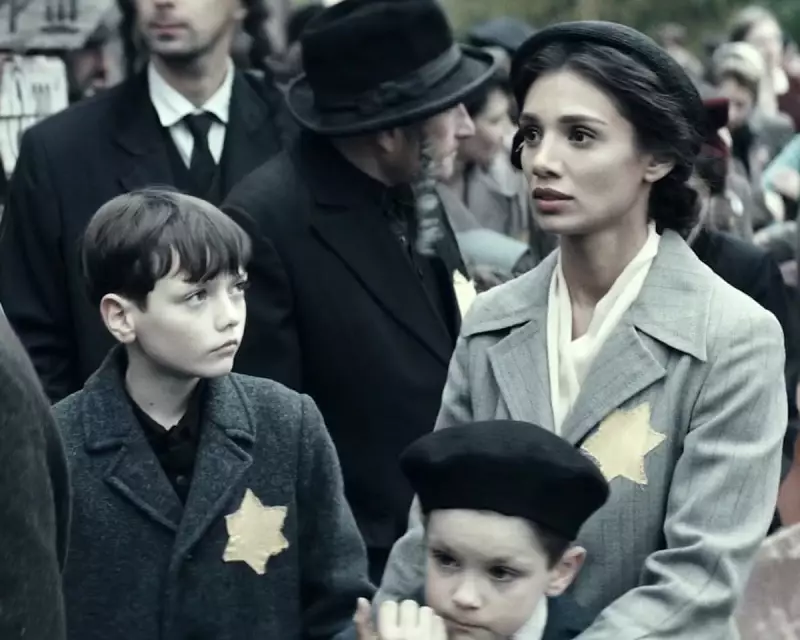
The film begins in present-day Tel Aviv, where an elderly man named Ilya receives astonishing news about a figure from his past. This revelation prompts him to finally share his wartime story with his grandsons. The narrative shifts to a desaturated flashback, following young Ilya (played by Andrey Davidyuk) and his younger brother Sasha as Jewish boys in Minsk at the war's outbreak.
After their father leaves for the front, never to return, the boys and their mother are detained by the Nazis. A notable production choice sees a single German actor, Jean-Marc Birkholz, repeatedly appearing as the face of Nazi oppression, a decision some reviewers attribute to budget constraints rather than artistic statement.

Portrayal of Belarusians Stirs Controversy
The core of the story sees Ilya, separated from his brother, taken in by a Belarusian couple who have lost their own son. They shelter him at great personal risk, treating him as their own and gifting him a hand-carved wooden stork—a symbol of his promise to reunite with Sasha.
It is this depiction of the local population that forms the crux of the criticism. While the film acknowledges some Belarusian collaborators and troublesome Soviet partisans, its overall portrait is overwhelmingly positive. The voiceover from elderly Ilya even states, "But even knowing the consequences, none of the locals refused [to help hide people]."
Reviewers have condemned this as an ahistorical and excessively flattering representation, serving as a form of nationalist self-soothing. This narrative is viewed with particular scepticism given contemporary Belarus's political alignment with Russia's Vladimir Putin.
A Feel-Good Ending That Fails to Convince
True to its title, 'Stork of Hope' aims for an uplifting conclusion of survival and reunion after depicting significant tragedy. However, critics argue the journey is marred by excessive sentimentality, predictable tropes, and a lack of nuanced historical context. The film's attempt to blend heartfelt drama with a sanitised view of national history has resulted in a production that many find difficult to endorse, despite its well-intentioned themes of courage and memory.