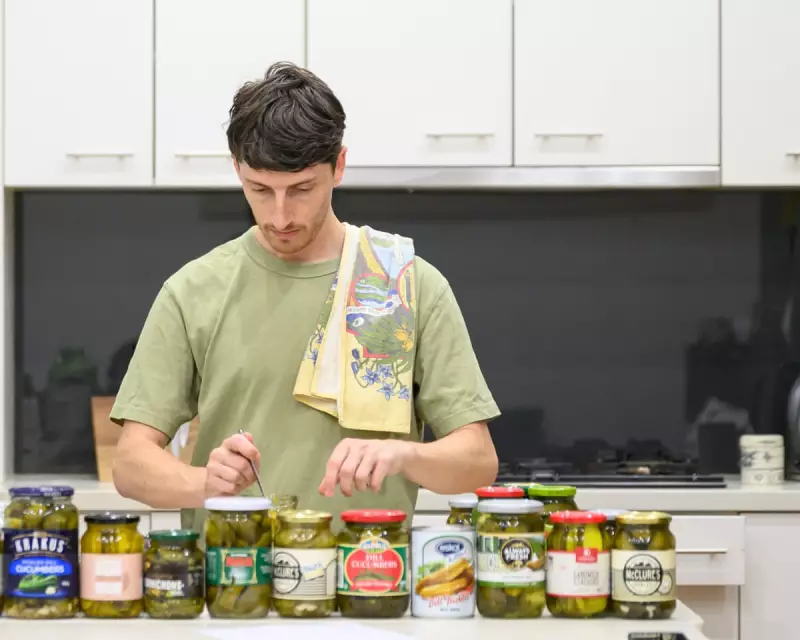
For journalist Nicholas Jordan, a routine trip to Coles Broadway supermarket feels like a reunion. After a year of rigorous taste testing, he's sampled 291 different supermarket products across 14 distinct categories, forming strong opinions on everything from salami to sorbet. His mission? To cut through the marketing and discover what really makes a product delicious.
The Great Price Myth: Expensive Doesn't Mean Better
Jordan admits to a former bad habit: assuming the most expensive ingredient would always yield the best result, especially when cooking for guests. His year-long investigation has thoroughly debunked this theory. There is almost zero correlation between price and deliciousness.
In his data, the median score for the most expensive item in each taste test was a middling six out of ten. Remarkably, the median score for the cheapest item in each test was also a six. The most expensive product by weight only claimed victory once, in the salami category. In the olive taste test, the priciest option finished dead last.

"Deliciousness exists at both ends of the price spectrum," Jordan concludes, adding that "most products in the supermarket, regardless of price, are average."
Fancy Packaging: A Promise Often Unfulfilled
If price is a poor guide, what about luxurious packaging? Jordan also analysed products with the most upmarket appearances: fancy illustrations, organic badges, and claims of superior provenance. The result was even more damning. The median score for these beautifully packaged items was a disappointing five out of ten.
This suggests that sophisticated branding is often a marketing tool rather than a reliable indicator of superior flavour.
The Surprising Objectivity of Taste
While personal preference plays a role, Jordan argues that taste is more objective than many believe. Our senses of smell and taste are biologically designed to guide us towards energy-rich, safe foods and away from potential dangers. This is why universally appealing flavours like sweet mangoes and umami-rich ragu tend to win out.
He believes that if every person on Earth participated in a blind olive taste test, there would be widespread disagreement on scoring nuances. However, he is confident that one brand, Monini L’Oliva Leccino Pitted, would be unanimously voted last.
Packet Instructions and the Joy of Sorbet
Another key lesson from the tasting marathon is to distrust packet cooking instructions. Jordan found they are often designed to sell the product with promises of speed and convenience, not to deliver the best culinary result. His advice? "Use your eyes, mouth and brain," and when in doubt, add a little more cooking time or ingredient than the packet suggests.
Not all tests were gruelling. The sorbet taste test, involving 15 varieties, was a highlight—a simply pleasant afternoon with friends. It also revealed a regional hero: South Australia's Golden North sorbets, which came highly recommended by Guardian readers.
In stark contrast, sampling 19 crackers in succession was described as "an awful and confusing experience," leaving one tester feeling like a "beached jellyfish slowly drying out."
Supermarket Villains of the Year
Jordan's year wasn't all pleasant discoveries. He encountered what he calls "villainous flavours": a meat pie he never wants to see again, pickles tasting of "soft drink carbonated with fart," excessively salty Persian fetas, and coffees smelling of ashtrays.
The worst offender inspired a poetic compilation of taster comments: "Loss for words. Back to the toxic. Metallic bitterness. Old mop bucket... Absolutely fuck this olive."
After 291 products, the ultimate takeaway is clear: never judge a food by its price tag or its packet. The quest for flavour requires a curious palate and a healthy scepticism of supermarket shelves.