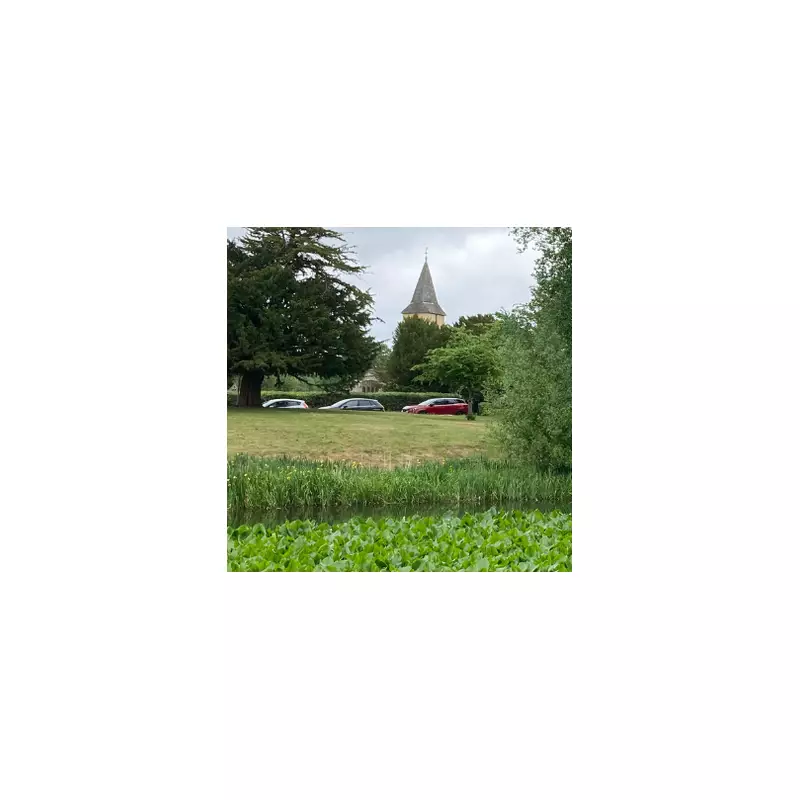
Croydon Council has launched a significant initiative to safeguard the borough's unique architectural and historical identity. The authority is proposing to establish nine new conservation areas across a range of neighbourhoods and streets, a move designed to preserve local character and foster community pride.
Which Areas Are Under Consideration?
The proposed sites, identified for their special architectural or historic interest, showcase what the council calls the "remarkable diversity" of Croydon's rich heritage. The list includes well-known locations such as the leafy Whitgift Estate and Croham Park Estate, the historic core of Sanderstead Village, and significant thoroughfares like London Road and Brighton Road in Purley.
The full list of areas being assessed is:

- Whitgift Estate
- Croham Park Estate
- South End, Ye Old Market
- St Peter’s Road
- London Road
- Fairfield Civic Quarter
- Sanderstead Village
- Brighton Road, Purley
- Court Avenue, Coulsdon
Mayor's Pledge and Public Consultation
Executive Mayor Jason Perry stated that the plan responds directly to residents' concerns. "Croydonians are rightly proud of the unique character of the many different neighbourhoods that make up our borough," he said. Perry emphasised that the borough's architecture tells the story of its evolution from a medieval market town to a modern economic hub.
"As Mayor I have listened to residents and taken action... to protect our unique character through planning," he added, noting that conservation status not only offers protection but can also drive thoughtful regeneration and improve design quality.
The proposal, outlined in the Mayor's Business Plan 2022-2026, will now enter a detailed research phase. Each site will be assessed against criteria set by Historic England and local planning policy. Crucially, residents will be invited to share their views on which areas they believe should receive the protected status.
What Conservation Status Means for Property Owners
If designated, the new conservation areas would introduce extra planning controls and considerations aimed at protecting their distinctive elements. These controls are most likely to affect homeowners or developers wishing to undertake work on the external appearance of properties, ensuring any changes are sympathetic to the area's character.
This review builds on Croydon's existing heritage framework. Since the late 1960s, the borough has already designated 21 conservation areas, each varying in size and speciality. The addition of these nine new zones would represent a substantial expansion of the council's strategy to celebrate and conserve its historical landscape for future generations.