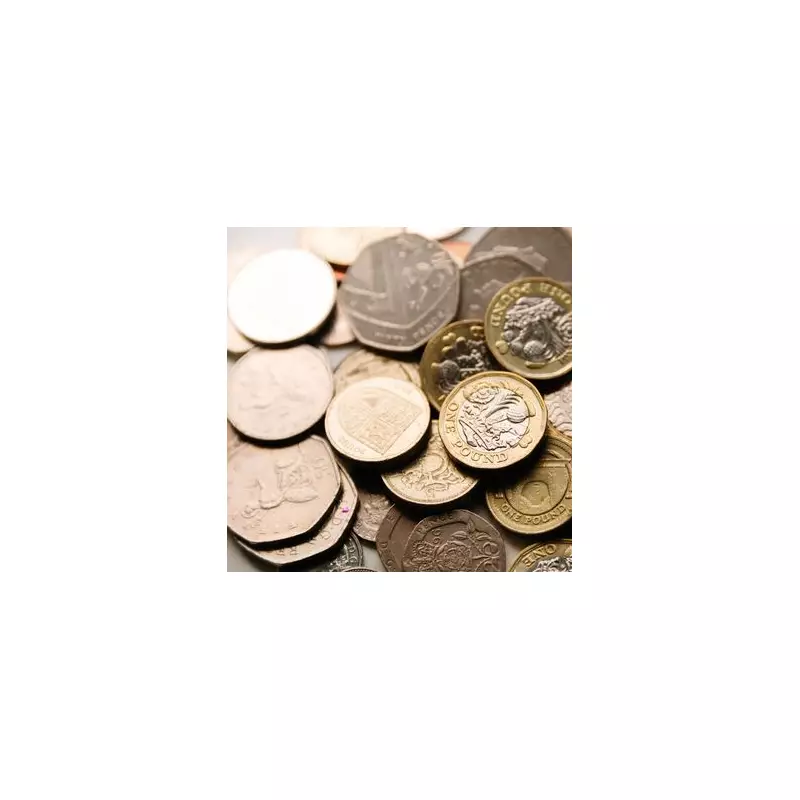
Coin collectors across the UK are being urged to check their spare change for a specific 50p piece that could be worth a small fortune. A rare error version of the Sir Isaac Newton 50p has been highlighted by a popular social media expert, with some specimens fetching more than a hundred times their face value on the secondary market.
The TikTok Revelation: Spotting the Valuable Error
The hunt was sparked by a video from TikTok user @CoinCollectingWizard, who has amassed a following of over 210,500 people. In the widely circulated clip, the collector explained that not all Sir Isaac Newton 50p coins are equal. The key to identifying the valuable variant lies in a striking mistake known as a die clash.
The coin, first issued into circulation in 2017, is already popular among enthusiasts. However, the error version features several faint extra lines across the portrait of the late Queen Elizabeth II on the obverse (heads) side. Crucially, these are not scratches but raised "whiskers" on the coin's surface, a result of a mishap during the minting process.

Why Is This 50p So Valuable?
The value stems from its extreme rarity. While the exact number of these error coins in circulation is unknown, they are believed to be exceptionally scarce. This scarcity has driven demand among collectors, with some listings asking for well over £50 for a single coin—a significant markup from its nominal 50p value.
The phenomenon is a classic example of a die clash error, which occurs when the obverse and reverse dies strike each other without a blank planchet (coin disc) between them. This imprints a ghostly, inverted image from one die onto the other, which is then transferred onto subsequent coins. In this case, elements from the Sir Isaac Newton design clashed with the Queen's portrait.
What To Do If You Find One
If you suspect you have this rare 50p in your possession, experts recommend a careful course of action. Your first step should be to seek a professional valuation. Organisations like the Royal Mint offer free valuation services, which assess a coin's worth based on its condition, rarity, and historical significance.
It is also wise to conduct your own research. A wealth of resources, including dedicated coin collecting websites, books, and online forums, can provide deeper insight into your find's history and potential market value. Properly identifying and preserving the coin's condition is paramount to realising its full worth.
With this specific error now public knowledge, the race is on for Brits to scour their piggy banks, wallets, and spare change jars. The next 50p you receive in your change could be far more than small change—it could be a collector's item worth a premium.