

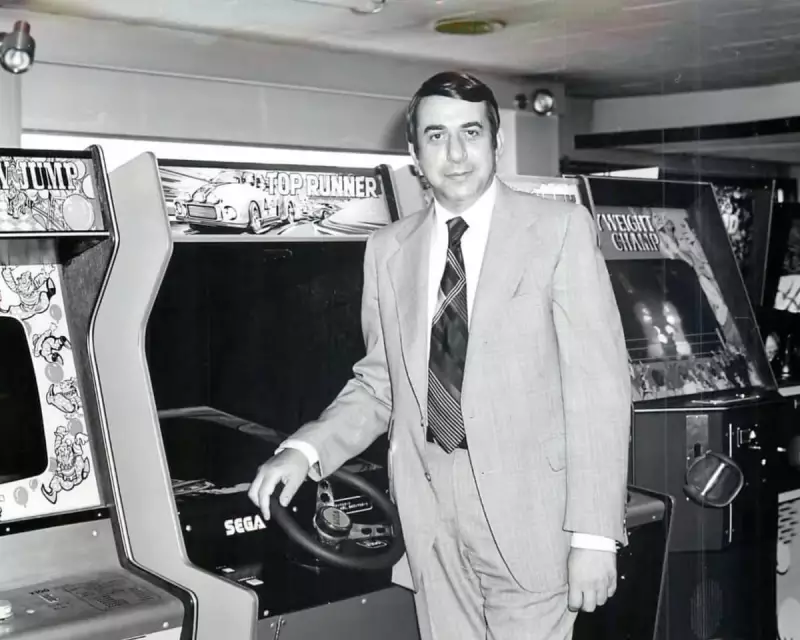
The video game industry is mourning the loss of one of its true pioneers, David Rosen, the co-founder of Sega, who has died at the age of 95. His passing on Christmas Day marks the end of an era for a man whose vision was instrumental in shaping the arcade and home console markets from the 1960s through the 1990s.
From Photo Booths to Sega: Building an Empire
David Rosen's remarkable journey into entertainment began after his service as a US Air Force pilot during the Korean War. Choosing to remain in Japan, he spotted a business opportunity in the nation's post-war recovery. In 1954, he established Rosen Enterprises, initially importing American photo booths to meet the demand for new ID card pictures.
This venture soon expanded into importing coin-operated amusement machines, including pinball tables, for venues across Japan. The pivotal moment came in 1965 when Rosen merged his company with Nihon Goraku Bussan. Their combined coin-operated division, Service Games, provided the name for the new entity: Sega.

Arcade Innovation and the Home Console Battle
Under Rosen's leadership, Sega evolved from an importer to a creator, designing its own electromechanical arcade hits. Games like Periscope and Killer Shark captivated players and established Sega's reputation for innovation. Rosen also demonstrated a keen eye for talent, notably recruiting Hayao Nakayama in 1979, who would later preside over Sega's golden age.
The 1980s saw Sega transform arcades with stylish, cabinet-based experiences like Out Run and Space Harrier. However, Rosen also set his sights on the living room. After an initial failed attempt, Sega launched the Master System in 1986. While it struggled against Nintendo in the US, it found strong audiences in Europe and South America.
Rosen identified a crucial market gap. While Nintendo focused on family fun, Sega could target teenagers. This strategy culminated in the 1988 launch of its 16-bit console. Rosen insisted on rebranding it as the Genesis for the US market, symbolising a new beginning. He brought in marketing expert Michael Katz, leading to the legendary slogan: "Genesis does what Nintendon't." This aggressive, teen-focused campaign, continued by Tom Kalinske, defined a generation of gaming rivalry.
A Lasting Legacy in Gaming Culture
David Rosen remained active in Sega in senior roles until his retirement in 1996. Although Sega eventually withdrew from the hardware market, its legacy under Rosen's early guidance is indelible. He oversaw the company's rise from a coin-op distributor to a global entertainment powerhouse that challenged Nintendo's dominance and created iconic franchises.
In a 2013 interview, Rosen reflected fondly on his career, expressing delight that people in his hometown of Los Angeles would still call out "Sega!" to him on the street. His story—from Air Force pilot to arcade innovator and console war general—remains a foundational chapter in the history of interactive entertainment.






