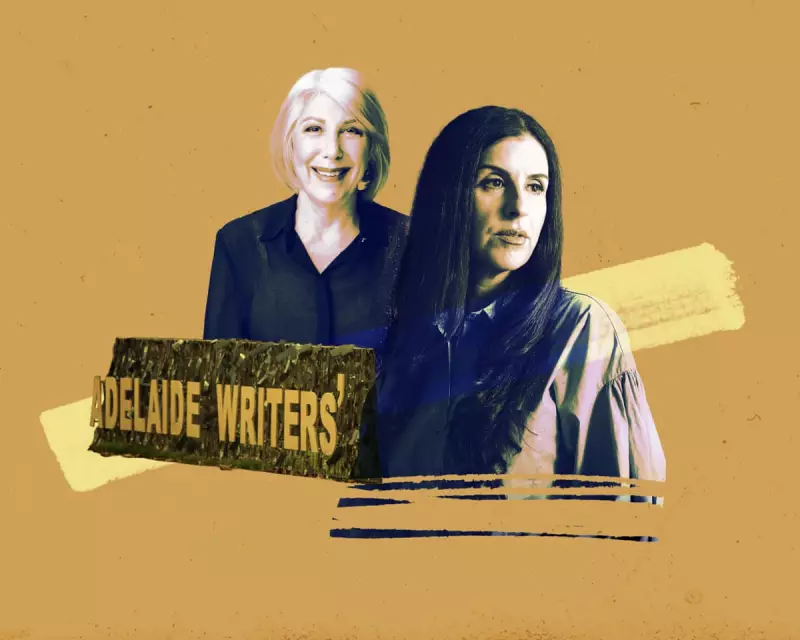
The genteel world of Australian literary festivals has been rocked by a spectacular institutional collapse, culminating in the cancellation of the 2026 Adelaide Writers' Week (AWW). What began as a quiet programming dispute escalated into a six-day war of words, a global author boycott, mass board resignations, and now threatens a Supreme Court defamation battle.
From Boardroom Dispute to Global Boycott
The seeds of the crisis were sown in October, with the resignation of key festival benefactor and board member Tony Berg. A self-described Zionist, Berg accused the festival's leadership, particularly director Louise Adler, of presiding over a "blatantly one-sided" mission and "spewing anti-Zionism" through speaker choices.
The flashpoint was the inclusion of Palestinian Australian author and academic Randa Abdel-Fattah in the 2026 lineup. Berg deemed her inclusion a "travesty," citing a social media post where she stated "Zionists have no claim or right to cultural safety." This triggered behind-the-scenes pressure, culminating in the board withdrawing Abdel-Fattah's invitation on 8 January.

The board's decision, framed around community safety and cohesion concerns following the Bondi terrorist attack, was labelled "despicable" by Abdel-Fattah, who called it an act of "blatant and shameless" anti-Palestinian racism.
The Literary Mutiny and Institutional Carnage
The fallout was swift and devastating. The progressive thinktank The Australia Institute withdrew its sponsorship. Then began a global literary mutiny.
More than 170 authors, commentators, and academics announced boycotts of the 2026 event. The list included international literary stars like Zadie Smith, Percival Everett, and Yanis Varoufakis, alongside Australian luminaries such as Helen Garner and Michelle de Kretser. Former New Zealand Prime Minister Jacinda Ardern also pulled out.
Behind the scenes, the festival board imploded. During a crisis meeting on 13 January, mass resignations rendered the board inquorate. Chair Tracey Whiting, along with members Nicholas Linke, Donny Walford, and Daniela Ritorto, all stepped down. With no governing body and the boycott snowballing, Adler resigned on 16 January, stating her position was "utterly untenable." The Adelaide Festival Corporation had no choice but to cancel the 2026 event entirely.
A Premier's 'Bondi Analogy' and a Looming Legal Showdown
At the heart of the escalating conflict was South Australian Premier Peter Malinauskas. While denying direct interference, he admitted lobbying the board for Abdel-Fattah's removal from around Christmas, penning a letter on 2 January to advocate his view.
His attempt to justify the decision through a now-notorious "Bondi analogy" may have lasting legal consequences. On 16 January, Malinauskas asked reporters: "Can you imagine if a far-right Zionist walked into a Sydney mosque and murdered 15 people?... the reverse has happened in this instance."
Abdel-Fattah's legal team at Marque Lawyers interpreted this as the Premier linking her to the Bondi atrocity and suggesting she was "an extremist terrorist sympathiser." They subsequently issued a defamation show-cause notice to Premier Malinauskas, setting the stage for a potential Supreme Court battle.
A newly formed skeleton board, including critic Rob Brookman, has publicly apologised to Abdel-Fattah and promised her a platform at a future festival. However, the damage is done. The cancellation of one of Australia's premier literary events marks a profound shift for a state once known for radical and provocative cultural leadership, raising urgent questions about artistic freedom, political pressure, and social cohesion.