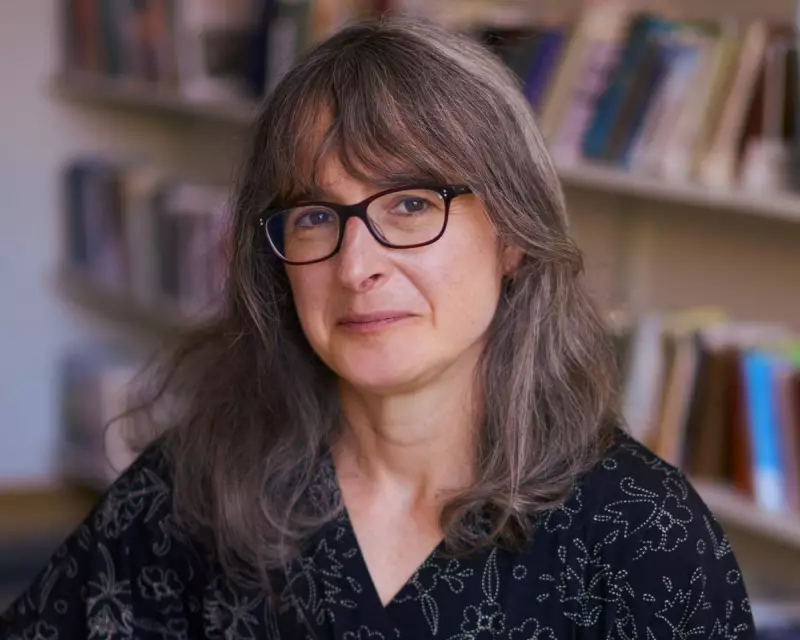
Acclaimed novelist Sarah Moss has offered a candid and insightful glimpse into the books that have shaped her life and writing, from childhood favourites to contemporary discoveries. In a revealing discussion of her literary influences, Moss reflects on everything from problematic classics to the writers who changed her perspective.
From Childhood Illiteracy to Lifelong Stories
Moss reveals that her journey with books did not start smoothly. She did not learn to read in her first years of school, becoming entrenched in illiteracy until her grandmother, a retired primary teacher, intervened. Her earliest reading memory is of Swallowdale by Arthur Ransome, which she read at age seven. She loved the Swallows and Amazons series, particularly the way Swallowdale portrayed supportive adults helping children navigate a shipwreck scenario.
Growing up, her favourite books were The Little House on the Prairie series by Laura Ingalls Wilder. Moss now finds the politics of these books obviously objectionable, noting their obsession with rugged independence and repression of foundational violence. However, she admits she was drawn to the landscapes and the blend of domesticity and adventure.

The Problematic Canon and Changing Perspectives
Moss is critical of the impact certain canonical works had on her as a teenager. She identified with the plain, clever girls of Victorian fiction, which she says reinforced a 1990s message that cleverness was unattractive. She believes young women should learn critical thinking before engaging with the mid-century canon. Writers like the Beat poets, John Updike, and Martin Amis taught her to see the world through the eyes of white men, though she also learned to admire a well-crafted sentence from them.
When it comes to rereading, Moss frequently returns to Austen, Charlotte Brontë, and George Eliot, finding their heroines look different as she ages. Other constant companions include Janet Frame’s autobiography, the works of Miriam Toews, and Bill Reid’s essays. She also highlights the practical books of staying alive, like the cookbooks of Meera Sodha and Anna Jones, and knitting guides by Felix Ford and Kate Davies.
Books Reconsidered and Rediscovered
Moss admits there is one classic she could never read again: Wuthering Heights. I never liked Wuthering Heights as much as Jane Eyre, she states, adding that she now struggles to see past the eroticised abuse in Emily Brontë's novel, while acknowledging similar issues exist in Jane Eyre. She does, however, credit Wuthering Heights with an exemplary narrative structure.
Conversely, she has recently rediscovered the brilliance of novelist Barbara Pym. Initially, Moss resisted Pym's world of valiantly cheerful, shabby middle-aged women, fearing she might become one. Now, she admits she was wrong and celebrates Pym as a brilliant novelist.
As for what made her want to write, it wasn't a book but an innate talent for storytelling. Before she could write, her party trick was telling ghost stories, sometimes leading to late-night phone calls from other parents asking her to reassure frightened friends that her tales weren't true.
Today, Moss describes herself as a polyamorous reader, currently juggling Helen Garner’s How to End a Story, Gun-Britt Sundström’s Engagement, and Kathleen Jamie’s Selected Poems. She also notes the profound impact of recent works like Christina Sharpe’s Ordinary Notes, which altered her understanding of the world. Sarah Moss's latest book, Ripeness, is published by Picador.