Malorie Blackman on Noughts & Crosses at 25: 'It's Even More Relevant Today'
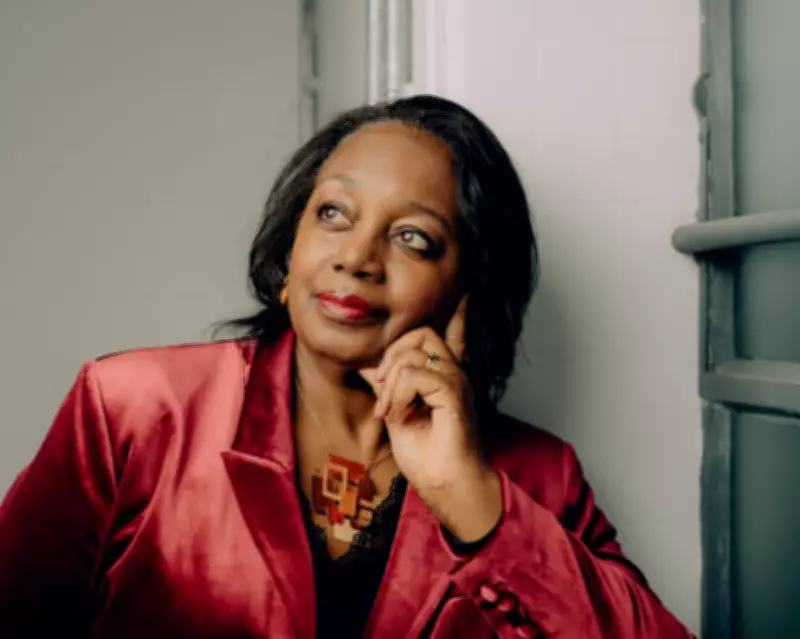
Malorie Blackman, one of Britain's most significant writers of the past quarter-century, laughs awkwardly as she shifts in a plum-coloured jacket during a photo shoot on a gloomy February evening in west London. Despite her status as a literary rockstar for a generation raised on her books, she remains baffled by the spotlight. 'I hate being in front of the camera!' she exclaims.
A Quarter Century of Impact
This year marks 25 years since the publication of Noughts & Crosses, her most famous book and the first in a nine-book young adult phenomenon. Set in Albion, an alternative Britain colonised by Africa, the story inverts racial dynamics: Black citizens, known as Crosses, hold power, while white citizens, or Noughts, face segregation and structural disadvantage. The book, Blackman's 50th, was her first to tackle racism head-on, inspired by the anger she felt during the 1990s, a time marked by the murder of Stephen Lawrence and findings of institutional racism in the Metropolitan police.
'I sat down at my computer really angry,' Blackman recalls. 'It was my way of channelling that anger.' Even before writing, she faced resistance, with people dismissing the topic as unappealing. Her mother's reaction to a proof copy—asking if a protagonist was white and restarting the book—validated her intent to challenge perspectives.

From Humble Beginnings to Literary Stardom
Born in 1962 in south London to Barbadian immigrants, Blackman's childhood was split by instability after her father left when she was 13, leading to homelessness. Books became her escape, with her local library serving as a lifeline. However, she didn't read a work by a Black author until age 21, The Color Purple by Alice Walker, highlighting a dearth of representation that fueled her later writing.
After a career in computing, diagnosed with sickle cell disease and told she might not live past 30, Blackman pursued writing to avoid regret. Her first book, Not So Stupid!, was published in 1990 after 82 rejections, with friends and family discouraging her by saying, 'they don't publish Black writers in this country.' She persisted, driven by the lack of Black protagonists in children's literature.
Cultural Resonance and Backlash
Noughts & Crosses quickly became a cultural touchstone, appearing in the BBC's Big Read poll, adapted for stage and TV, and integrated into school curricula. Its radical approach to racism in YA literature resonated widely, earning praise from figures like novelist Caleb Azumah Nelson and poet Benjamin Zephaniah. Music icons Stormzy and Tinie Tempah have referenced Blackman in their lyrics, with Stormzy writing the foreword for the 25th-anniversary edition.
Despite success, Blackman faced backlash, especially as children's laureate in 2013 when she advocated for diversity in publishing. Misreported claims led to death threats, but support from the community bolstered her. She notes that while diversity in publishing has improved since her early days, recent trends show a decline in children's titles with Black protagonists, and performative efforts post-George Floyd's murder have waned.
Ongoing Relevance and Future Endeavours
Blackman believes Noughts & Crosses is more relevant today amid global political tensions and culture wars. With over 70 books to her name, including Pig-Heart Boy and a memoir, she continues to write and explore new skills like jewellery-making. As an ambassador for the UK's National Year of Reading, she champions the transformative power of books, urging others to write the stories they want to see.
The 25th-anniversary edition of Noughts & Crosses, with Stormzy's foreword, is set for release, cementing its legacy as a seminal work that continues to inspire and provoke thought on racism and equality.