A major campaign fronted by global music icons to shield creative works from being harvested by artificial intelligence has received a powerful endorsement from the British public.
Overwhelming Public Backing for Creators
In a significant development for the ongoing AI copyright battle, a government consultation has revealed near-unanimous support for strengthening protections for artists. A staggering 95% of the more than 10,000 respondents argued that copyright law must either be reinforced or left unchanged, demanding that tech companies obtain licences to use creative material.
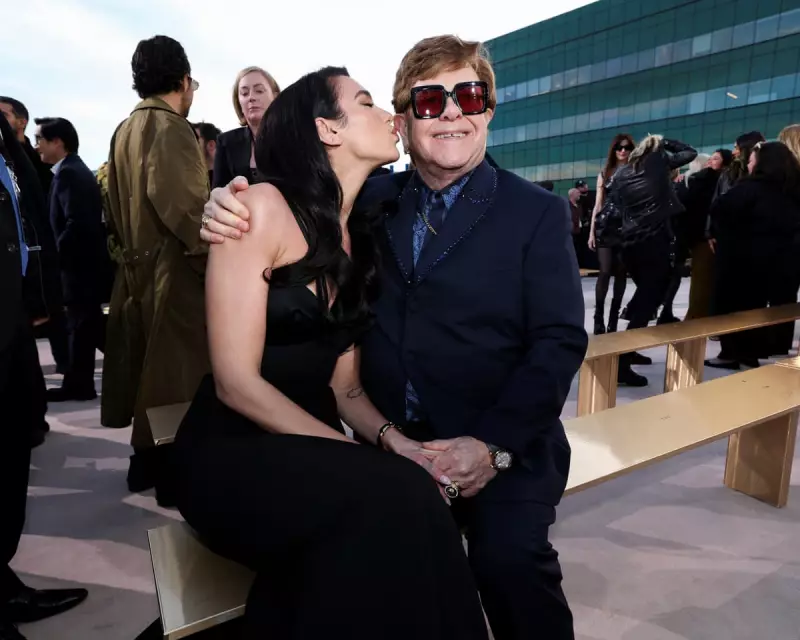
This public stance delivers a substantial boost to a high-profile initiative supported by stars including Dua Lipa, Elton John, Sam Fender, Kate Bush, and the Pet Shop Boys. Their campaign opposes the use of their music, films, novels, and other works to train AI models without permission or payment.

Government's Tech-Friendly Plan Soundly Rejected
The consultation results highlight a dramatic rejection of the government's initial position, which was seen as favourable to the tech industry. Only 3% of respondents supported the original 'preferred option', which would have forced artists and rights holders to actively opt out of having their content scraped by data-hungry AI systems.
Faced with a fierce backlash from the creative community, ministers have since abandoned this approach. Campaigners had expressed serious concerns that policymakers were prioritising the interests of powerful US tech firms over those of UK creators.
These fears were underscored by comments from US President Donald Trump, who advocated for AI companies to freely use copyrighted knowledge pools, warning governments against creating rules that could "make it impossible" for the AI sector to operate.
Political Pressure and the Path Forward
The Secretary of State for Science, Innovation and Technology, Liz Kendall, addressed Parliament on Monday, acknowledging there was "no clear consensus" on the issue. She pledged that the government would "take the time to get this right" and promised to bring forward policy proposals by 18 March 2026.
While stating that the UK's approach must support innovation and growth across all sectors, including the valuable creative industries, her comments did little to immediately reassure campaigners. They argue the consultation has already provided a clear mandate.
Ed Newton-Rex, a composer and copyright campaigner, stated: "This is an overwhelming show of support for the commonsense position that AI companies should pay for the resources they use... Liz Kendall should listen to the people and rule out changing copyright law to benefit AI companies."
Adding to the pressure, Owen Meredith of the News Media Association urged an end to the uncertainty, calling for a ruling out of new copyright exceptions to unlock investment and ensure AI developers license content from creators.
The campaign has seen notable acts of protest, including a near-silent recording released last month by Sir Paul McCartney as a statement against AI copyright theft. With the consultation revealing such a decisive public mood, the government faces mounting pressure to side with creators in shaping the future of AI and intellectual property law.