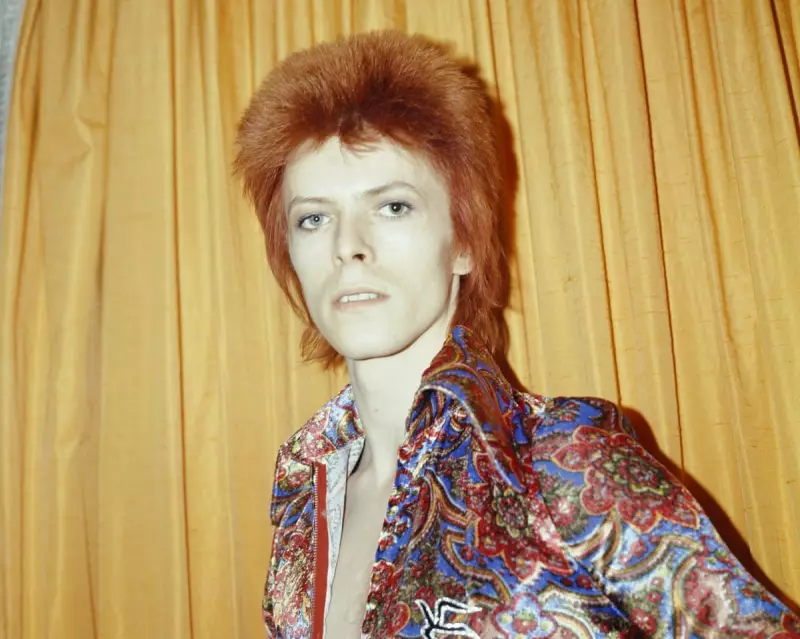
A decade after his untimely death, questions are being raised about the enduring power of David Bowie's musical legacy. While the icon remains a colossal figure in pop culture, evidence suggests his work is not connecting with new, younger audiences at the same rate as some of his legendary peers.
The Streaming Slump: A Telling Metric
Financial success and streaming data are two key indicators of posthumous relevance. On both fronts, Bowie's current standing presents a complex picture. He currently attracts 22 million monthly listeners on Spotify, a figure notably lower than contemporaries like Bob Marley (26 million), Whitney Houston (34 million), Elvis Presley (45 million), and John Lennon (43 million).
Furthermore, only one Bowie track, Under Pressure (a collaboration with Queen), has entered Spotify's elite 'Billions Club'. This contrasts sharply with the streaming dominance of other late greats, suggesting his vast catalogue is not being discovered en masse by the playlist generation.

Estate Strategy: Cultivating Legacy or Missing the Mark?
The approach of the Bowie estate has focused heavily on premium, physical releases for dedicated fans, such as the Who Can I Be Now? (1974–1976) box set and numerous live albums. While this serves an existing, affluent audience, it does little to lower the barrier for curious teenagers. There has been only one major hits compilation, Legacy (The Very Best of David Bowie), released in November 2016.
The estate has also been selective with licensing, refusing the 2021 Stardust biopic but endorsing Brett Morgen's 2022 documentary Moonage Daydream. However, recent attempts to spark viral interest, like the use of "Heroes" in the finale of Netflix's Stranger Things, failed to create a Running Up That Hill-style revival, with the song only peaking at No. 75 in the charts.
The Physical Legacy and the 'Bowie Brand'
Unquestionably, the most significant long-term project is the David Bowie Centre at the V&A East Storehouse in London, which opened last year. Housing 80,000 items from his career, V&A director Tristram Hunt called it a "new sourcebook for the Bowies of tomorrow." This represents a deep investment in cultural heritage over fleeting digital trends.
Yet, elsewhere, the Bowie 'brand' risks being diluted. The official online store sells an array of merchandise from socks to cutting boards, often centring on the iconic Aladdin Sane lightning bolt from 1973. This risks reducing his chameleonic artistry to a single, marketable image.
A decade on, David Bowie's stature is secure in history books and museum archives. The critical challenge for his estate is whether it can successfully bridge the gap between preserving a revered legacy and dynamically propelling his revolutionary music into the ears of future generations. The current streaming numbers suggest there is still work to be done.