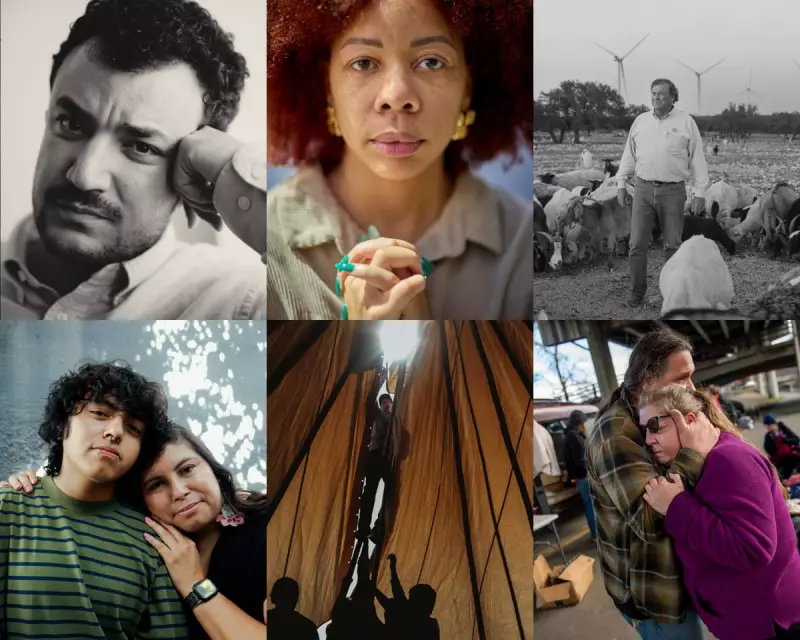
The Guardian has unveiled its definitive collection of American photojournalism for 2025, presenting a stark and multifaceted portrait of a nation grappling with profound challenges. Commissioned to document a year of intensifying climate threats, widening inequality, and deep political and economic turmoil, photographers across the United States captured both the hardships and the enduring resilience within their communities.
Portraits of Personal Struggle and Survival
These images move beyond headlines to focus on complex human stories. The collection introduces us to Edith Langford, PhD, now 73, who survived being shot and nearly paralysed at age nine. Against all odds, she recovered, learned to walk again, and now works as a therapist, writing a memoir on trauma.
It shows the lingering pain for protesters like LaToya Ratlief in Florida, shot in the head with a rubber bullet during a 2020 George Floyd protest, who has only just concluded a tumultuous four-year settlement process. In Oregon, Christy Sexton is comforted after viewing the body of her son Mike, who died from a fentanyl overdose, highlighting the human cost behind drug policy shifts.

The series also documents displacement and legacy. Christine Valenciana recalls the forced deportations of the Great Depression when seeing ICE operations in California, while K'Sisay Sadiki, daughter of Black Panther parents, reflects on the heavy price and proud lessons inherited from the movement.
Climate, Community, and Political Crossroads
The climate crisis and its economic fallout feature prominently. In Montana, the Blackfeet Nation tackles food sovereignty challenges through traditional practices and modern science. In California, firefighters with calloused hands, including those serving prison sentences, battle devastating wildfires.
The collection reveals political paradoxes. John Davis, a 16-year Republican lawmaker and Trump supporter in Texas, champions the wind turbines on his ranch that benefit his impoverished community, despite his party's attacks on clean energy. Conversely, the "trad" (traditionalist) movement, followed by families like that of Mike Thomas, advocates for a stricter family order amid a backlash against women's rights.
Infrastructure and policy impacts are evident. In Nevada, horses graze near the US's largest datacentre, symbolising AI's insatiable demand for power and water. In Pennsylvania, Trump's steel tariffs bring chaos to businesses near the Edgar Thomson mill, contrary to promises of a rust-belt revival.
Healthcare, Hope, and a Divided Future
Access to care and social support emerges as a critical theme. In New Mexico, children eat at a childcare centre in a state now offering free childcare to most families. In Los Angeles, a men's mental health group provides a safe space for Black men to share and reflect.
Yet, crises persist. In Alaska, volunteers load naloxone kits to combat overdoses. In Arkansas, caregiver Nancy Morrell faces a 75-hour monthly cut in Medicaid support for her sister with cerebral palsy. In Montana, laid-off firefighter William Brown and his dog rely on a warming centre in a city with a punitive approach to homelessness.
The photographs also capture moments of faith and identity. In Oklahoma, Rev Shannon Fleck offers an alternative to anti-LGBTQ+ theology, while in Brooklyn, a Yom Kippur service reveals a transformed American Jewry two years after the 7 October attacks and the war in Gaza.
The series concludes with potent symbols of the national mood: Karine Jean-Pierre explaining her departure from the Democratic Party, and Trump supporters in ponchos awaiting a rally in Washington DC, illustrating a nation poised between hope and fear as the 2024 election aftermath unfolds.