The Civil Aviation Authority (CAA) has issued a fresh warning after a surge in passengers packing lithium batteries and electronic devices in checked luggage, creating a severe fire risk that has led to flight diversions. In 2025, there were 650 incidents of batteries and devices being placed in hold baggage—double the number reported in 2024. Additionally, over 200 reports detailed batteries or electrical devices dangerously malfunctioning or catching fire on UK flights.
Airline Policies on Batteries and Power Banks
UK budget carriers Ryanair, easyJet, and TUI allow power banks and spare batteries on board but with strict restrictions. These rules cover power banks, spare batteries, tablets, vapes, phones, smartwatches, e-readers, and gaming devices. Some international airlines, including Vietnam Airlines, Vietjet Air, and Emirates, have banned such items entirely. Emirates, for instance, permits devices only if switched off and stored under the seat—not in overhead bins—effective October.
Electrical Safety First explains that lithium batteries pose a danger due to “thermal runaway,” a rapid, uncontrollable temperature increase that can cause fire, explosion, and toxic fume release.

Ryanair’s Regulations
Ryanair allows up to 15 personal electronic devices, including smartphones, tablets, laptops, cameras, handheld game consoles, headphones, and power banks. Spare lithium batteries and power banks must be individually protected to prevent short circuits—by original packaging, taped terminals, or separate plastic bags—and carried only in cabin luggage. Passengers may carry up to 20 spare batteries, each not exceeding 100Wh. These items cannot be used to charge devices during taxi, take-off, or landing, and must not be placed in overhead lockers; they should be under the seat in front or on the person. Batteries over 100Wh are prohibited in both cabin and hold, except for electric wheelchair batteries. Spare batteries and power banks are forbidden in checked baggage.
easyJet’s Regulations
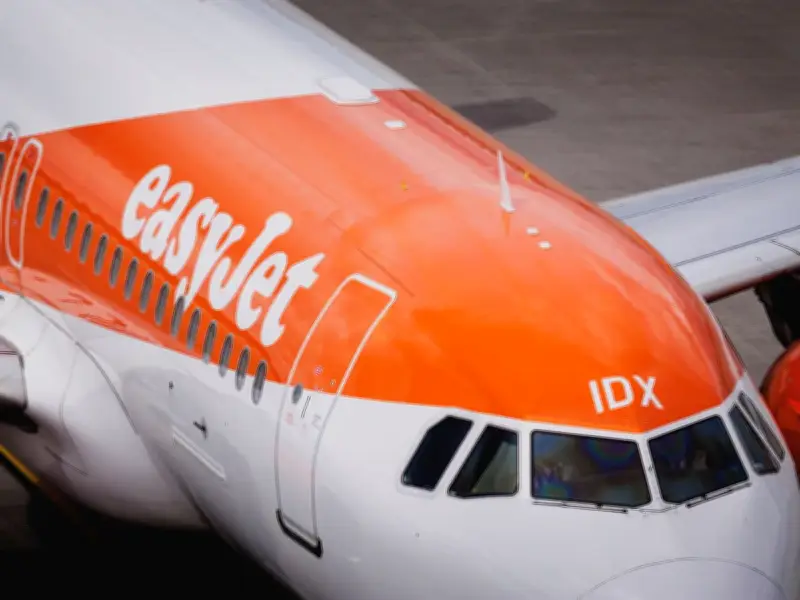
easyJet requires all lithium-ion batteries, spare batteries, and power banks to be in cabin hand luggage only, strictly prohibited in hold luggage. Power banks under 100Wh (roughly 27,000mAh) are allowed without approval; those between 100-160Wh need airline approval. Batteries in portable electronic devices should be carried as carry-on. If packed in checked baggage, devices must be completely switched off (not sleep/hibernation) and protected from damage. The limit is 15 portable electronic devices per passenger. Non-spillable batteries must not exceed 12V or 100Wh, with a maximum of two spare batteries. Smart luggage must have removable lithium batteries; if checked in, the battery must be removed and taken into the cabin. Exposed terminals must be protected from short circuits.
TUI’s Regulations
TUI forbids loose lithium batteries, power banks, or spare batteries in checked luggage; these must be in hand luggage only. Power banks generally must not exceed 100Wh, with terminals shielded from short circuits. Devices should not be recharged on board. Dry AA(A) batteries (Alkaline, NiMh, NiC) for small personal items are permitted if inside the device or in sturdy packaging. For devices in hold baggage, precautions must prevent damage and accidental activation; devices must be switched off completely. Loose batteries and power banks must be individually protected (original packaging, taped terminals, or plastic bags) in hand luggage. Medical devices require airline permission. Power banks cannot be used to charge devices or be recharged on board. Storage should be in seat pockets or under the seat, not in overhead bins.