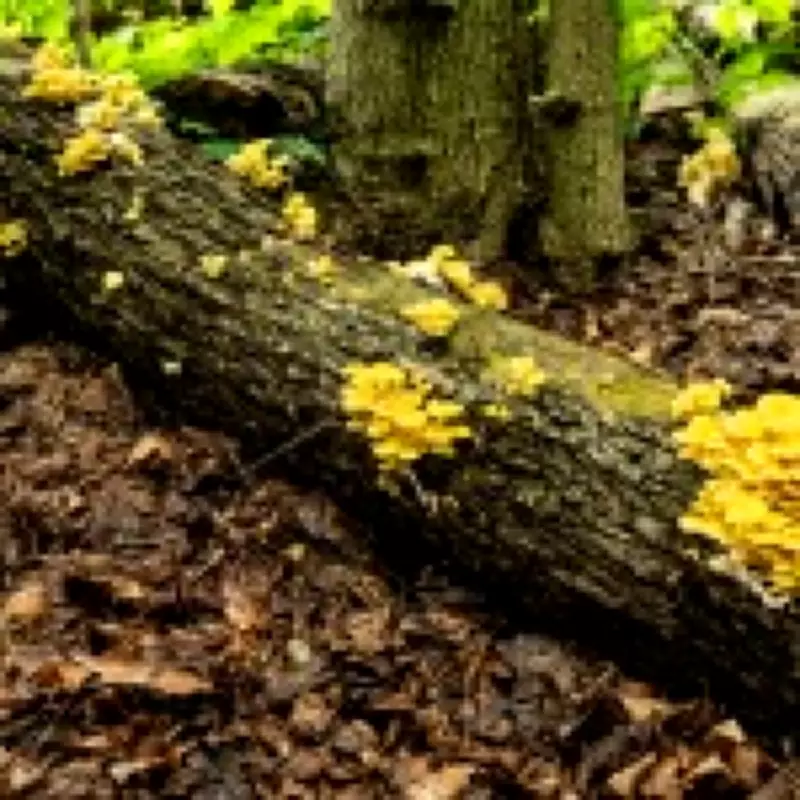
An invasive mushroom is spreading like wildfire across North America, threatening local fungi species and forest ecosystems. The golden oyster mushroom, which grows on dead or dying trees, can release billions of spores and prey on other mushrooms. This fungus is one of the few carnivorous mushrooms capable of eating nematode worms.
Impact on Biodiversity
Aishwarya Veerabuhu, a mycologist from the University of Wisconsin-Madison, told the BBC: 'We found that trees colonised by golden oyster have, on average, about half the fungal biodiversity as trees without the golden oyster. And so that was a huge indicator that they're likely outcompeting the native fungi that were there.'
There are additional concerns: dead wood, which the mushroom thrives on, is a crucial habitat for small animals and trees. Veerabuhu added: 'This mushroom grows and 'chews' through woods so rapidly – so what does this mean for the rate of decay of wood, and for the carbon emissions that come from that?'

Home Mushroom Cultivation Risks
Last year, the Royal Horticultural Society warned that a boom in mushroom-growing at home could cause a biodiversity disaster. Non-native mushrooms grown at home or in gardens could kill local plants and other fungi. Sheila Das, a garden manager at RHS Wisley, told the Guardian: 'The opportunities we have to grow edible fungi at home are extremely exciting. We should make sure when buying kits for growing that we are purchasing from trusted suppliers. We are still learning much about the world of fungi, so introducing alien spawn into your garden by accident (i.e., species not native to this country) could potentially unlock many issues, just as we have learned from the past with invasive plants and imported plant diseases.'
Fungal growth is harder to control because mushrooms have a complex way of spreading. When people select mushroom growing kits for home, they have been urged to choose species that are already native to the UK – unlike the golden oyster mushroom.
Mushroom Popularity and Benefits
Mushrooms have grown in popularity in recent years as part of a wellness trend. They are a rich source of fibre, protein and antioxidants, while new research into adaptogens (the active ingredients in certain plants and mushrooms that can impact how your body deals with stress, anxiety and fatigue) has brought to light even more benefits. Medicinal mushrooms have been used in traditional Chinese medicine for thousands of years, with chaga, reishi, lion's mane and cordyceps dubbed 'the big four' as they are some of the most well-researched and yield the best results. They are packed with beneficial molecules that help increase resilience to stress, offer antioxidant protection, enhance energy levels, regulate mood and even sharpen focus. So, whether you want to take them for improved sleep, better focus or to relieve anxiety, the four most common functional mushrooms have lots going for them.