EU Environment Commissioner Advocates Natural Border Defenses
Jessika Roswall, the European Union's commissioner for the environment, water resilience, and a competitive circular economy, has called for nations to utilize nature as a strategic component of national security. In a recent interview, she emphasized that rewilding land borders can serve as a powerful deterrent against potential invasions, transforming frontier areas into formidable natural barriers.
Poland and Finland as Pioneering Examples
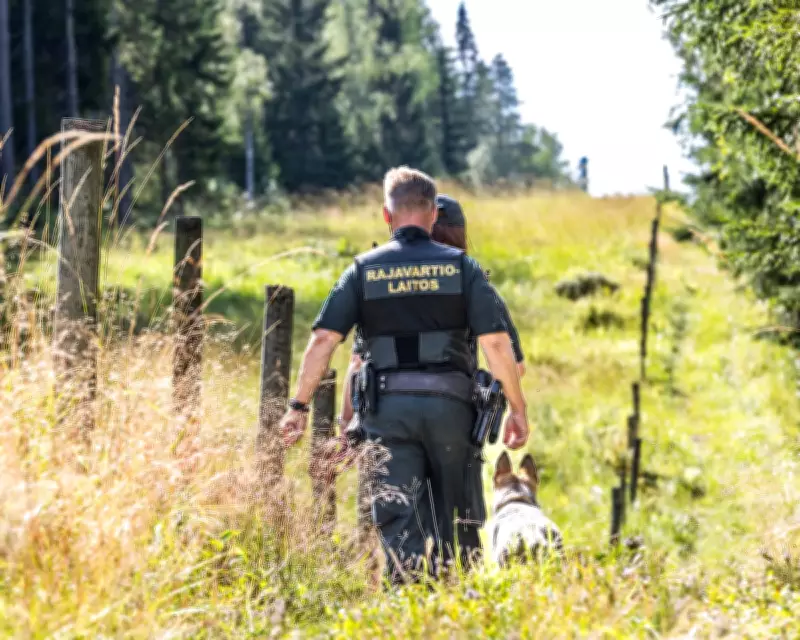
Roswall specifically highlighted Poland and Finland as exemplary cases where rewilding initiatives have enhanced border security. Both countries share extensive land borders with Russia or Russian allies and have deliberately transformed frontier zones into more hostile natural environments. "I've visited them: they transfer the land to more hostile nature, leaving bushes and trees. Then it's not so easy for others to cross it," Roswall explained.
She detailed how restoring wetlands creates additional natural obstacles, noting that "it's very difficult for big tanks to go through." This approach not only fortifies national borders but simultaneously promotes biodiversity, creating what Roswall describes as a "win-win" situation for security and environmental conservation.

Water Security as Fundamental National Defense
The commissioner expanded her argument to encompass broader environmental factors as security assets. She stressed that a thriving natural environment is crucial for maintaining food supply chains and water security, both of which should be regarded as essential components of national defense. "We need to invest in nature. Water is the most obvious example. If we don't have water, we don't have [security]," Roswall asserted.
Pointing to Ukraine, where water infrastructure has become a military target, she emphasized the critical importance of protecting water systems. Roswall also advocated for "nature-based solutions like sponge cities" to mitigate flooding impacts, framing climate resilience as directly connected to national security concerns.
Addressing Europe's Water Crisis and Pollution
Roswall warned that many European regions are already experiencing severe water crises due to scarcity, resource pressure, and inadequate rainfall. While these challenges vary geographically, she identified water pollution as a universal problem requiring urgent attention across the continent. "If you look at pollution, the quality of water, you have a problem all over Europe," she cautioned.
The commissioner also addressed the issue of "forever chemicals" (Pfas), which have contaminated water and soil with significant health risks. She is pushing for accelerated EU regulations, stating, "I am really trying to push to speed this up, so we can give some clearance and guidance this year." Roswall suggested that pharmaceutical and cosmetic industries should bear cleanup costs, though acknowledged that public funds might ultimately be necessary for addressing historical contamination.
Maintaining Environmental Standards Post-Brexit
Regarding environmental policy divergence between the UK and EU since Brexit, Roswall downplayed conflicts while reaffirming the EU's commitment to high standards. She reported productive discussions with UK Environment Secretary Emma Reynolds, noting shared recognition that "having high ambition when it comes to environmental standards is a necessity, not only to the planet but also our industries."
Roswall firmly rejected suggestions that the EU is retreating from its green agenda despite right-wing populist opposition. "We are not backtracking [on efforts to cut greenhouse gas emissions and protect nature]. We are doing it green and clean," she declared, emphasizing that environmental protection enhances economic competitiveness and long-term prosperity.
The commissioner's comprehensive vision positions environmental stewardship not as merely desirable but as fundamentally interconnected with national security, economic resilience, and societal wellbeing across Europe.