Global Temperatures Approach Critical 1.5C Threshold
The planet came dangerously close to breaching a landmark climate target in February 2026, with global temperatures reaching just 0.1C below the critical threshold established by the 2015 Paris Agreement. According to data from the Copernicus Climate Change Service, Earth experienced its fifth-warmest February on record last month, with temperatures measuring 1.49C above pre-industrial levels.
Extreme Weather Patterns Across Continents
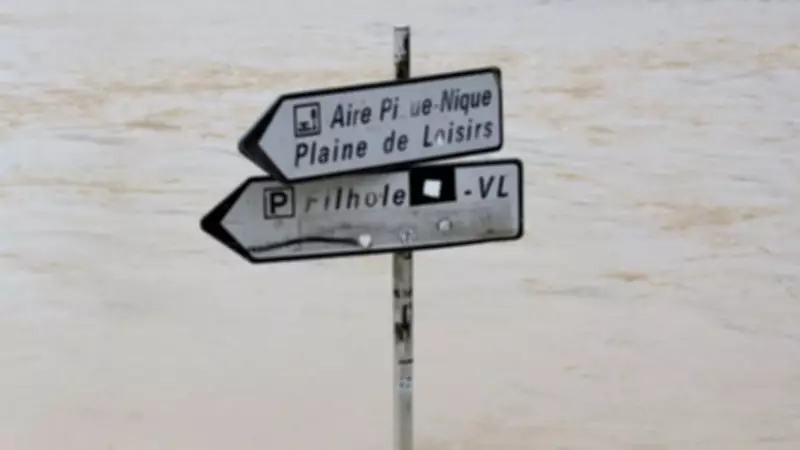
The month was characterized by what scientists described as "extreme rainfall and widespread flooding" across Western Europe, coupled with the third-lowest sea ice extent ever recorded in the Arctic region. Climate experts have identified human-caused climate change as a significant contributing factor to the exceptionally wet conditions that plagued Western Europe throughout the winter season.
A succession of intense storms—including Leonardo, Pedro, and Nils—battered the continent, with French weather service Meteo-France describing storm Nils as possessing "uncommon strength" for this time of year. The extreme weather patterns extended beyond Europe, affecting regions as diverse as Morocco, Mozambique, and Botswana with remarkably wet conditions that led to severe flooding, widespread property damage, and tragic loss of life and livelihoods.

European Weather Divide and Climate Impacts
Study author Samantha Burgess, strategic lead for climate at the European Centre for Medium-Range Weather Forecasts, highlighted a "really strong divide across Europe" during February. While Scandinavia and Eastern Europe experienced much colder than average conditions, the opposite prevailed throughout most of western and Southern Europe.
Burgess explained to Sky News that the positioning of the polar jet stream—which moved further south than usual during winter—combined with atmospheric rivers (narrow bands of exceptionally moist air) created the conditions for "heavy-to-extreme precipitation over western and Southern Europe." This meteorological combination triggered widespread flooding and landslides, particularly affecting Iberia and western France.
Infrastructure and Transportation Consequences
The persistent wet weather has had tangible impacts on infrastructure and transportation systems across affected regions. In the United Kingdom, heavy rainfall at the beginning of 2026 caused a dramatic spike in pothole-related incidents, with drivers encountering hazards hidden beneath standing water on roadways.
The RAC reported that the daily average number of pothole reports from broken-down drivers in February was three-and-a-half times higher than during the same month in 2025. Between December 2025 and February 2026, England experienced 42% more rainfall than usual, with southern and central regions particularly affected according to provisional Met Office statistics.
Scientific Perspectives on Climate Trends
Climate scientists emphasize that February's extreme events "highlight the growing impacts of climate change and the pressing need for global action." Burgess noted changing seasonal patterns, with summers "getting longer, starting earlier and ending later" while becoming "more intense," and winters "getting less cold" and sometimes shorter.
Reading University climate science professor Richard Allan explained that the "serious weather extremes" observed during February represented "a classic winter battleground between warm and wet versus cold and dry conditions over Europe." He added that "heavy and persistent rainfall in Western Europe was further intensified by the additional moisture carried by winds from the oceans that are warmer than they would otherwise have been due to the progressive heating from human-caused emissions of greenhouse gases."
Future Projections and Adaptation Needs
Dr. Michael Byrne, reader in climate science at the University of St Andrews, warned that "it's very likely we should expect more flooding events, more rainstorms, both in the winter but also in the summertime, delivering large volumes of rain in a short period of time." He emphasized that this pattern represents "very much what we expect the UK to be seeing more of in the future."

Despite the concerning trends, Burgess remains "optimistically hopeful," pointing to a doubling in the number of cities implementing climate adaptation measures since 2018. She stressed that "we've got to adapt" by recognizing that climate change is "here to stay" and requires comprehensive, coordinated responses at local, national, and international levels.
The United Nations has previously warned that the chance of keeping global temperature increases below the 1.5C Paris Agreement target is "virtually zero," with projections suggesting the UK could experience temperature rises of at least 2C within the next 25 years. The warmest February on record occurred in 2024, indicating a continuing trend of rising global temperatures that scientists attribute primarily to human activities and greenhouse gas emissions.