

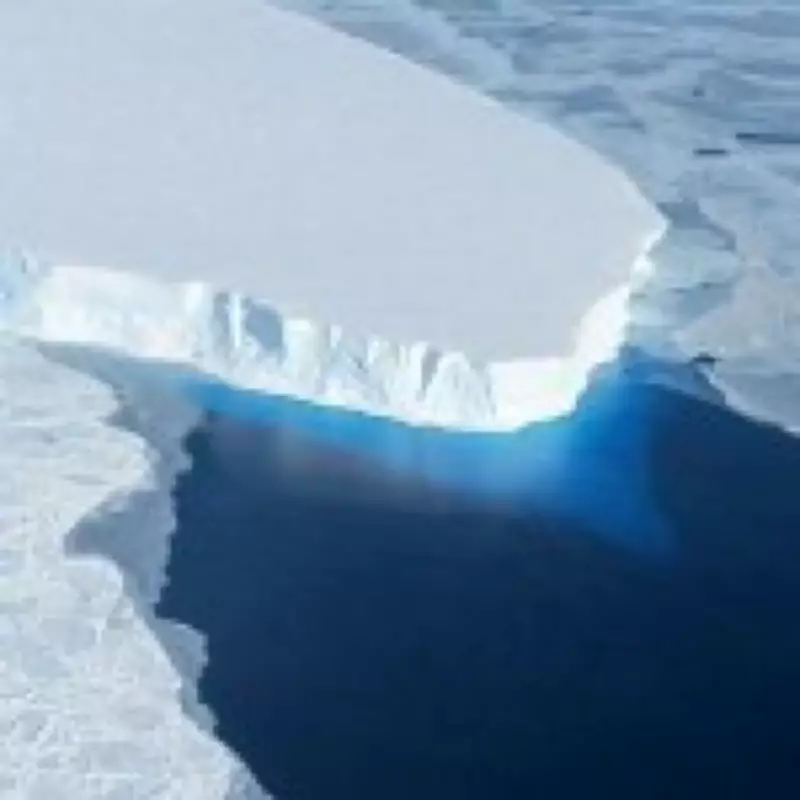
Antarctica's 'Doomsday Glacier' Nearing Critical Tipping Point
Scientists are raising urgent alarms about the Thwaites Glacier in Antarctica, often dubbed the 'Doomsday Glacier,' as it edges perilously close to a point of no return. This massive ice formation, roughly the size of Florida, is already a significant contributor to global sea level rise. If it were to collapse completely, it could elevate sea levels by approximately 65 centimeters, posing a dire threat to coastal cities and low-lying island nations worldwide.
Bold Proposal: A 50-Mile Underwater Barrier
In response to this looming crisis, an international coalition of researchers and engineers is advocating for a groundbreaking solution: the construction of a vast underwater curtain. Known as the Seabed Curtain Project, this initiative aims to build a barrier more than 50 miles long and up to 150 meters high, anchored to the ocean floor hundreds of meters below the surface. The primary goal is to block warm ocean water from reaching the glacier's base, thereby slowing its melting process.
The proposed curtain would be strategically placed across key channels on the continental shelf, where warm, dense waters flow. Designs are being considered, ranging from a continuous wall to segmented barriers, to mitigate strain from tides and currents. While the project is estimated to cost billions of dollars and must withstand some of Earth's harshest conditions, supporters argue it is a cost-effective measure compared to the extensive damage from unchecked sea level rise.

Scientific Basis and Global Implications
Thwaites Glacier, located in the unclaimed Marie Byrd Land of West Antarctica, is the widest glacier on Earth and holds an immense volume of ice. Over recent decades, warming ocean waters have been flowing beneath it, causing accelerated melting from below. Scientific data indicates that the amount of ice flowing into the sea from Thwaites and neighboring glaciers has more than doubled since the 1990s, accounting for a substantial portion of global sea level rise.
"Sea level rise is one of the most serious climate risks facing humanity this century," says funder Sasha Post. "It is essential to accelerate research, like UArctic's seabed anchor curtains project, to evaluate how to safely manage this risk."
Feasibility Studies and Geopolitical Considerations
The Seabed Curtain Project is currently in its early research stages, with no immediate construction planned in Antarctica. To assess feasibility, researchers have deployed mooring stations in the nearby Amundsen Sea to gather critical data. Additionally, studies are being conducted in Norwegian fjords and the Arctic archipelago of Svalbard, where natural landforms already restrict warm water flow. Small-scale trials of seabed barriers may occur in Norwegian fjords later this decade to evaluate engineering and environmental impacts.
Any intervention near Thwaites Glacier is sensitive geopolitically, as Antarctica is governed by the Antarctic Treaty System, which promotes peaceful scientific cooperation and prohibits military activity and mining. However, with global temperatures rising and emissions reductions lagging, radical ideas once dismissed as science fiction are gaining serious consideration among researchers.
Looking Ahead: A Race Against Time
As the Thwaites Glacier continues to destabilize, the urgency for innovative solutions intensifies. The Seabed Curtain Project represents a bold step toward mitigating climate change impacts, but it requires extensive research, international collaboration, and significant funding. Scientists emphasize that while this proposal offers hope, it must be part of a broader strategy to address the root causes of global warming and protect vulnerable communities from rising seas.






