As Israeli bombs fell across Gaza, one family committed a profound act of quiet rebellion. Amid the devastation, they chose to plant a garden, transforming a small patch of earth into a source of sustenance and a symbol of hope.
A Defiant Decision to Grow
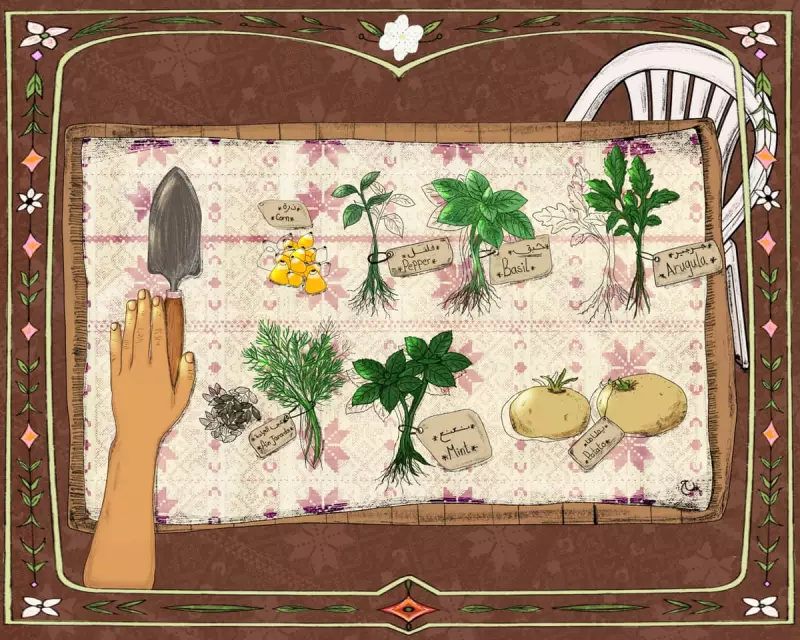
With the skies darkened by smoke and the ground shaking from explosions, the decision by Taqwa Ahmed al-Wawi's father and older brother, Mohammed, was a deliberate stand against despair. They purchased seeds and seedlings from a local farmer tending a rare patch of green. Their investment was modest but significant: 30 corn seeds for roughly $5, three pepper seedlings, two eggplant seedlings, and herbs like mint, basil, arugula, and the local ain jarada.
The context of this planting was one of extreme hardship. The conflict had ravaged infrastructure, disrupted supply chains, and sent food prices soaring. Hunger became a constant, heavy presence. "To plant is to believe in tomorrow," their father said as he pressed the seeds into the soil, a gamble on life flourishing against terrible odds.

The Harsh Reality of Cultivation Under Siege
The work of nurturing the garden was gruelling. Water, once abundant, had become a precious commodity. The family had to carry heavy buckets from a source over 200 metres away, often queuing with neighbours. Under a merciless sun, they watered and tended the plants daily, each drop representing a tiny act of resistance.
They had learned from past loss. A beloved mango seedling, nurtured for ten months, had died when the family was forced to flee to Rafah for five months. Consequently, they chose hardy plants that could survive with less care. Crops like tomatoes and cucumbers, which require protective greenhouses, were not an option in Gaza's harsh, exposed conditions.
A Harvest of Pride and Sustenance
Against all expectations, the garden thrived. The family watched in joy as Mazen, Taqwa's 12-year-old brother, ran in with news that the eggplants were sprouting. The corn, grown from popcorn kernels, grew into proud, chest-high stalks. Potatoes were harvested and became cherished meals, boiled or fried.
The garden provided tangible nourishment: fresh mint tea, peppery arugula and ain jarada for salads. But it offered something equally vital: a profound sense of achievement and normalcy amid the chaos. It stood as a mix of the garden's longstanding residents—ancient olive, fig, orange, and lemon trees—and the new, defiant crops.
Today, even during periods of supposed ceasefire, scarcity and violence persist. Yet, the garden endures. Leaf by leaf and root by root, it remains a living chronicle of resilience, a quiet but powerful rebellion on a land scarred by conflict.