A powerful and dangerous atmospheric river storm has unleashed severe flooding across California, turning Christmas into a crisis for hundreds of residents. Governor Gavin Newsom has declared a state of emergency in six counties as the life-threatening conditions continue.
Widespread Flooding and Evacuations
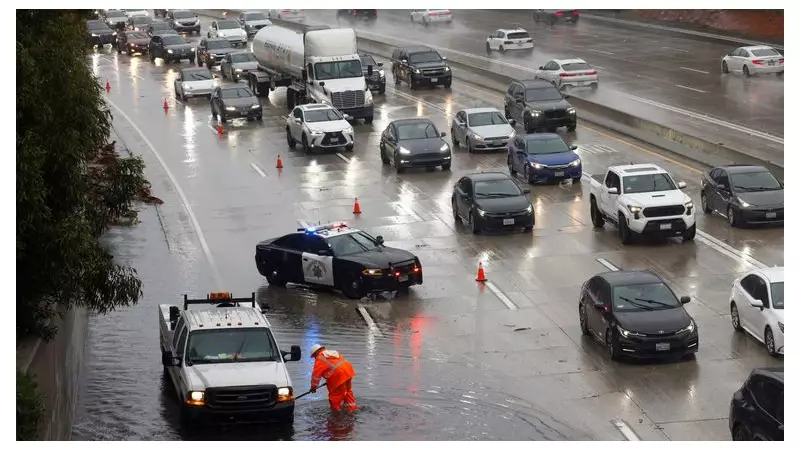
The storm, which intensified on Christmas Eve, brought torrential rain to southern California, leading to widespread flash flooding. In vulnerable areas, an estimated 130 evacuation orders were issued, with many targeting communities still recovering from wildfires earlier in the year.
Dramatic footage captured the scale of the destruction, showing debris and mud cascading down roads in mountain resorts. Fast-moving water was seen rushing through the porches of several homes, while major motorways, including one in Burbank, were left submerged.

A Rare 'High Risk' Warning
The US National Weather Service has maintained a rare "high risk of excessive rainfall" warning, stating that the life-threatening atmospheric river conditions will persist throughout Christmas Day. Meteorologist Mike Wofford highlighted the extraordinary rainfall, noting that while Southern California typically sees up to 2.5cm of rain at this time of year, many areas this week could receive between 10 to 20cm, with even higher totals in the mountains.
Governor Newsom's emergency declaration is intended to mobilise resources and emergency authorities to protect communities. The storm has also caused significant power outages, though utility provider Pacific Gas and Electric has restored electricity to more than 165,000 homes.
What is an Atmospheric River?
Atmospheric rivers are long, narrow corridors in the atmosphere that transport vast amounts of water vapour from tropical regions. When they make landfall, this vapour is released as intense rain or snow. While they are a crucial part of the global water cycle and contribute 30-50% of the US West Coast's annual precipitation, climate change is intensifying them. A 2025 study in the Journal of Climate found that a warming planet is making these events bigger, wetter, and more frequent.
The storm's impact is not limited to rain. Heavy snow and powerful gusts in the Sierra Nevada are creating near white-out conditions, making travel through mountain passes "nearly impossible." The Sierra Avalanche Centre has also warned of a "considerable" avalanche risk around the Lake Tahoe area.
This extreme event underscores California's vulnerability to climate-fuelled weather whiplash, where periods of intense drought and wildfires are rapidly followed by catastrophic flooding.