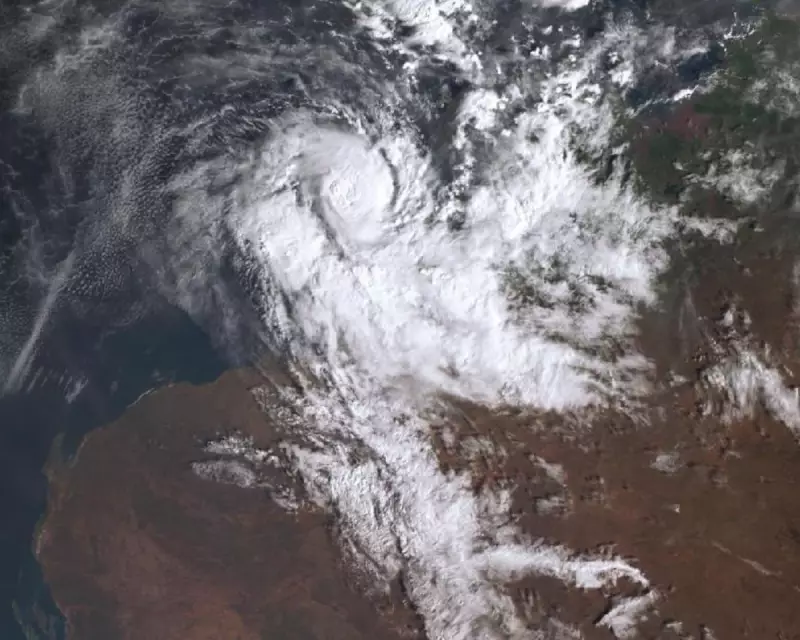
Tropical Cyclone Hayley has carved a path of destruction across North Queensland, bringing catastrophic flooding, forcing hundreds from their homes, and leaving a trail of damage in its wake. The powerful storm system made landfall early on Monday, 30th December 2025, near the town of Ayr, south of Townsville, with wind gusts exceeding 150 kilometres per hour.
Unprecedented Rainfall and Rising Waters
The cyclone's most devastating impact has been the phenomenal volume of rain it dumped across the region. The Australian Bureau of Meteorology (BoM) reported staggering totals, with some areas receiving over 800 millimetres of rainfall in just 48 hours. This deluge has caused rivers to break their banks and inundate communities.
Major flooding is occurring on the Haughton River, where levels at Giru are expected to peak significantly above the major flood level. The Burdekin River is also experiencing major flooding, with the BoM warning that levels at Inkerman Bridge could reach heights not seen in decades. Emergency services have been engaged in a massive rescue effort, airlifting residents from rooftops and using boats to reach those trapped by the rapidly rising waters.

Community Impact and Emergency Response
The human cost of the disaster is mounting. Authorities have confirmed that hundreds of people have been evacuated from low-lying areas in towns including Ayr, Home Hill, and Giru. Evacuation centres have been established in Townsville and other safer locations to accommodate displaced residents.
Critical infrastructure has been severely compromised. Widespread power outages affect tens of thousands of properties, with Ergon Energy crews unable to begin repairs until the severe weather abates. Numerous roads are impassable due to floodwaters or debris, isolating several communities. The Bruce Highway, a vital transport artery, is closed in multiple sections, severely disrupting travel and freight.
Queensland Fire and Emergency Services (QFES) Commissioner, Greg Leach, described the situation as "extremely dangerous" and urged residents to follow official warnings. "Do not attempt to drive through floodwaters," he emphasised. "The conditions are changing rapidly, and your safety is paramount."
Aftermath and the Long Road to Recovery
As Cyclone Hayley weakens and moves inland, the immediate focus remains on life-saving operations and ensuring the welfare of affected residents. However, the scale of the damage suggests a long and costly recovery lies ahead for North Queensland.
Initial assessments point to significant damage to agriculture, with sugarcane and other crops devastated by the combination of wind and water. Property damage is extensive, particularly in the direct path of the cyclone. The insurance council has already declared the event a catastrophe, streamlining claims processes for policyholders.
The Premier of Queensland has pledged full state support for the recovery effort, noting that such extreme weather events are becoming more intense. This disaster follows a pattern of severe flooding in the region, raising urgent questions about community resilience and long-term planning in the face of a changing climate. The clean-up operation will begin in earnest once floodwaters recede, but for many communities, the impact of Cyclone Hayley will be felt for years to come.