

The Royal Horticultural Society (RHS) is calling on gardeners across England to help increase the nation's tree cover by planting native "tredges" – a clever cross between a tree and a hedge.
Inspiring Change from Ancient Woodlands
This initiative draws direct inspiration from the structure of ancient woodlands. Experts believe applying these principles to the UK's estimated 25 million gardens could significantly boost wildlife and help the government meet its ambitious target. Currently, woodland covers approximately 10% of the UK, and the aim is to increase this to at least 16.5% of all land in England by 2050.
A dramatic demonstration of this approach will be unveiled to the public at the Chelsea Flower Show in May. The Woodland Trust: Forgotten Forests Garden, designed by Ashleigh Aylett, will depict the transformation of a damaged, dark conifer forest into a thriving, regenerated ancient woodland.

Her design will feature specific "indicator" plants that signify ancient woodland sites, such as the wild service tree and red campion. This comes as the Woodland Trust reports that a mere 7% of the UK's native woodland is in good ecological condition, with severe consequences for dependent wildlife.
The Power of the 'Tredge' in Your Garden
While Aylett's show garden is an ambitious project, the RHS emphasises that key lessons are applicable to any domestic green space. The central recommendation is the planting of small native trees and "tredges".
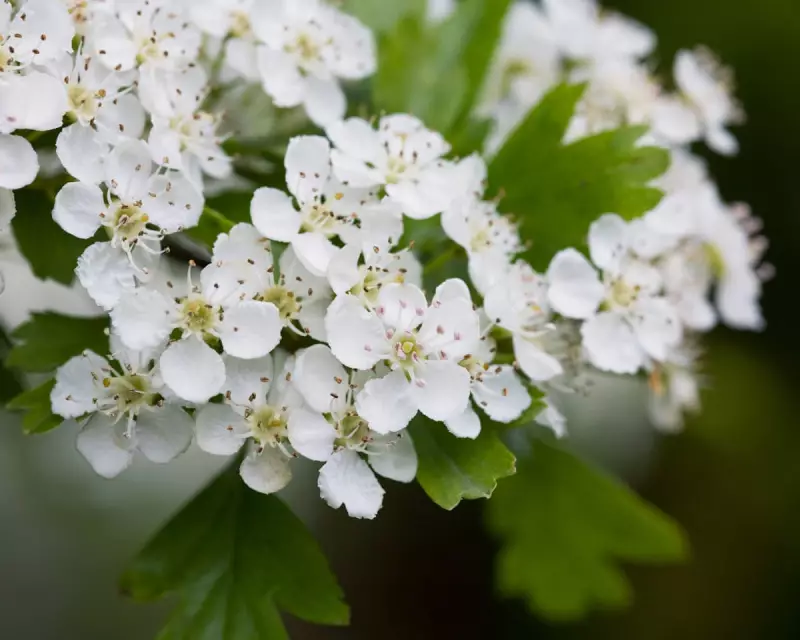
Mark Gush, the RHS’s head of environmental horticulture, highlighted the benefits of one top choice: Crataegus laevigata (hawthorn). "It is a great example of a 'tredge', which can be both a standalone tree or a hedge," he said. "It strikes the perfect balance between beauty and functionality."
Gush noted its resilience to climate extremes, tolerance of clay soils, and research showing its effectiveness at capturing road pollutants. Its thorny canopy also supports biodiversity and can help mitigate flooding by absorbing rainwater.
The Woodland Trust aims to make tree-planting accessible, reassuring those with small gardens that native species don't have to be giants. A small tree can provide spring blossom and autumn berries without dominating a space. Furthermore, planting a diversity of species improves soil health through varied root structures.
Creating Miniature Ecosystems at Home
Aylett's Chelsea garden will also showcase "forest planting", with layered canopies from ground cover to trees. This maximises biodiversity in limited areas and offers protection from climate extremes.
Gush advocates for "transitional gardening" to emulate ancient woodland edges, or 'ecotones', which are known for exceptionally high biodiversity. "Think softer gradual transition as opposed to hard cutoff," he advised, suggesting gardeners blend lawns into borders, borders into shrubs, and so on.
The RHS encourages selecting trees grown under the UK and Ireland Sourced and Grown (UKISG) scheme to prevent new pests and diseases. For smaller plots, planting a native hedge instead of a fence or wall is a perfect way to incorporate native species, providing vital food and habitat for wildlife.
After the flower show, the Woodland Trust garden will find a permanent home at Hawthorn Primary School in Newcastle upon Tyne, an area with low tree cover, thereby increasing canopy access for the local community.
The RHS recommends the following 'tredge' species for UK gardens:

- Beech (Fagus sylvatica)
- Holly (Ilex aquifolium)
- Western red cedar (Thuja plicata)
- Common yew (Taxus baccata)
- Hawthorn (Crataegus monogyna)





