

Regenerative Agriculture: A Transformative Approach to Food and Life
Regenerative agriculture stands as a pivotal solution for enhancing human well-being and environmental sustainability. This innovative farming method goes beyond traditional practices to restore ecosystems, improve soil health, and foster a deeper connection between people and the land.
A Personal Awakening on a London Farm
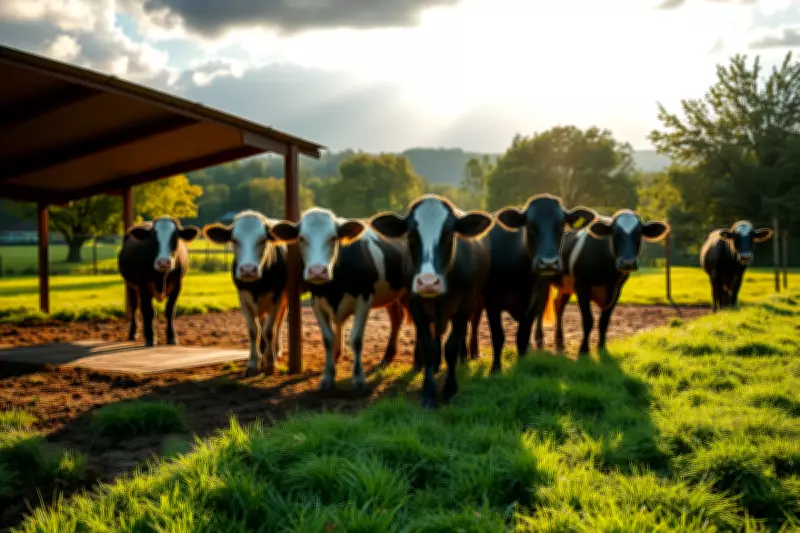
My initial skepticism about regenerative agriculture dissolved during a visit to a cattle farm within the M25, nestled in the suburbs of north-west London. The farmer, Jonathan, spoke with unwavering conviction about revolutionizing food production and saving the world through regenerative techniques. As I followed him, half-listening and half-amused by his enthusiasm, we reached the cow shed in midwinter. Instead of the expected pungent ammonia smell typical of conventional farms, the air carried a sweet, gentle aroma of manure. This sensory experience, rooted in our primal senses, sparked an immediate and resolute conversion—my Damascus Moment—to the cause of regenerative agriculture.
From Passion to Action: Building Sustainable Systems
This newfound passion led to the establishment of an organic kitchen garden for Ottolenghi in north London, where I serve as a co-founder. It also inspired my role as an advisor, customer, and vocal supporter for Wylde, an online regenerative farmers market. Years of reflection on food production practices and their profound impact on human health convinced me of the urgent need to transition toward a healthier, more sustainable food system.

Synergy with Gen Evolve: Education and Agriculture Unite
When I joined the Gen Evolve movement, I recognized a perfect alignment between regenerative agriculture and its principles. Both emphasize whole-systems thinking, individualized solutions, curiosity, and long-term stewardship. They prioritize patience, adaptation, and real-world skills over one-size-fits-all approaches, mirroring the health of a child with that of a fertile field.
Threefold Impact: Health, Planet, and Society
Regenerative agriculture delivers benefits across three critical levels. For health, food grown in biologically active soils boasts richer micronutrient profiles, thanks to networks of organisms and fungi that enhance mineral access. This leads to better nourishment and reduced dietary gaps. Additionally, these methods minimize reliance on synthetic pesticides and fertilizers, lowering chemical residues in food and environmental toxins.
Ecologically, regenerative practices sequester carbon in the soil through techniques like cover cropping, rotational grazing, and reduced tillage. This builds soil organic matter, improves resilience to extreme weather, and supports biodiversity by fostering habitats for insects, birds, and microbes. Enhanced soil structure also improves water retention, mitigating drought and runoff.
Societally, achieving these goals requires a shift in perception. Farming must be recognized as a consequential career that feeds populations and heals the planet. Gen Evolve plays a crucial role by integrating food production education into curricula, teaching children about soil health and ecosystem interconnections as core subjects rather than niche activities.
Monoculture Parallels: Education and Agriculture Flaws
Just as industrial agriculture relies on monoculture—uniform inputs that destroy soil ecosystems and biodiversity—bad education follows a one-model-fits-all approach. Both systems reduce observation, increase dependence (on chemicals or standardized tests), and externalize costs, whether ecological or social. By advocating for regenerative practices in schools and policies, we can make farming an attractive career for youth while restoring ecosystems and improving public health for generations.
Career Advantages in a Changing World
Gen Evolve’s approach offers tangible career benefits in an era of AI and automation. Skills like empathy for living systems, pattern recognition, and adaptive decision-making become invaluable. Pupils studying regenerative farming develop these qualities, setting them apart in job markets, whether as farmers or in other fields requiring complex, context-driven judgment.

My hope is for future generations, including my own sons, to value work that respects Earth’s complexity and wisdom. Whether they pursue farming or apply regenerative thinking to other careers, the goal remains: to educate children to treat nature with attention, care, and skill, avoiding short-term fixes. This blend of science, craft, and care should be society’s focus, and Gen Evolve’s blueprint offers a practical path to make a real difference for the next generation.





