Beekeeper's Winter Wipeout: 75-Year Streak Ends in Cornwall
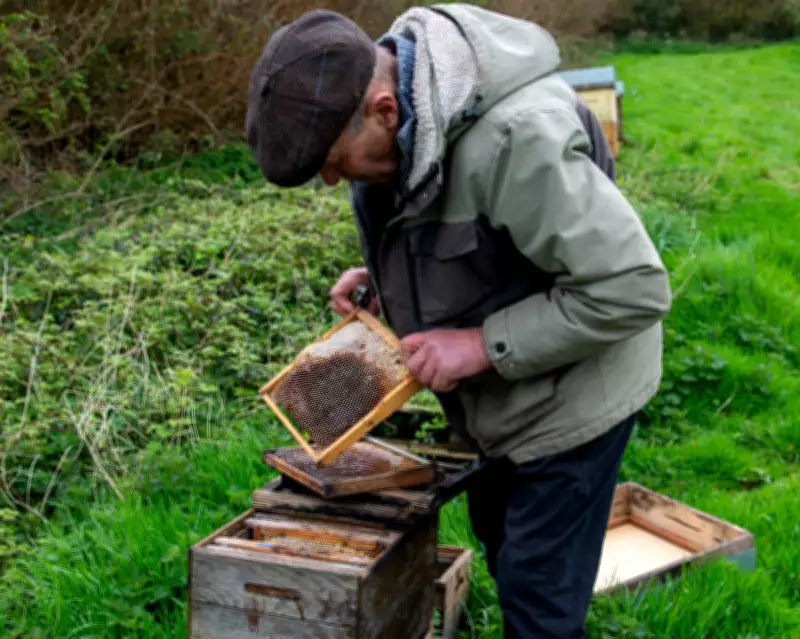
At Haywood farm in St Mabyn, Cornwall, beekeeper Richard Bray's hives stand in a crooked line at the edge of an apple orchard, beside a low thicket of nettles. This spring, for the first time in seventy-five years, none of his bees survived the winter. Richard, who was "brought up with" beekeeping here, once managed two hundred and fifty hives at the peak of his apiary business. Today, he has just seven, and all are empty.
The Empty Hives
Richard lifts the lid of the first hive, releasing a sour smell of old wax and honey. "There's nothing," he says, his voice tinged with concern. "That's very worrying. You'd expect to at least see dead bees in there. But there isn't a bee anywhere." An inspector from the National Bee Unit advised that the loss was likely caused by the varroa mite, a notorious destroyer of bee colonies. However, Richard remains uncertain. "I've never had anything like this," he admits. "Varroa mite? I don't know."
Widespread Catastrophic Losses
Ian Campbell of the British Beekeepers' Association confirms that Richard is not alone. The Association was "significantly surprised" to hear accounts of catastrophic losses across the country. The full extent of these losses remains unknown, as annual survey data won't be available until July. While many beekeepers blame a wet January and February, Campbell cautions that this alone doesn't necessarily explain the devastation. "A colony might survive one thing," he explains, "but throw in a second, and they reach a tipping point."

Potential Causes and Climate Impact
Other possible factors contributing to the bee deaths include:
- Pathogens: Various diseases that can weaken or kill bee colonies.
- Abnormally Long Bee Season: Last year's early spring and late autumn may have given varroa mites more time to establish themselves.
- Flower Synchronization Issues: The extended season could have put bees' peak population out of sync with flowering plants, affecting their food supply.
Richard thuds the lid down on his empty hive. He plans to try acquiring more bees, though he acknowledges it won't be easy at this stage of the season. When asked what he enjoys about beekeeping, his face lights up. "They're marvellous little insects," he says warmly. "How organised they all are. They all have their own duties. And the hives are all different: some are vicious, others I can do without a bee suit and not get a sting." He even stopped wearing gloves, finding that without them, "you go slower. You go more gentle."
A Bittersweet Return
We head back through the orchard for a glass of apple juice, made from the fruit of last year's crop. The scene is a poignant reminder of the cycles of nature and the challenges faced by those who work closely with it. As Richard reflects on his empty hives, the broader implications for bee populations and agriculture loom large, highlighting the delicate balance between human activity and environmental health.