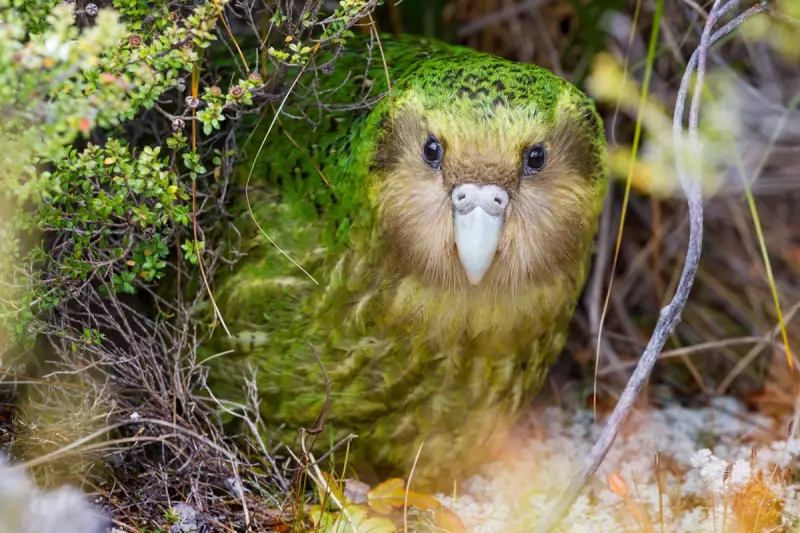
Conservationists in New Zealand are on high alert for a potential population boom of one of the world's most unusual and critically endangered birds, the kākāpō. The trigger is a spectacular natural event: a 'mega-mast' of the native rimu tree, which is producing a bumper crop of nutritious berries for the first time in four years.
The Rare Event That Drives Reproduction
Kākāpō, the world's only nocturnal and flightless parrot, breed infrequently. Their reproductive cycle is entirely dependent on the rimu tree's irregular 'masting' events, where the trees produce vast quantities of fruit. This year's abundant harvest is expected to provide the energy-rich food source the birds need to raise chicks, prompting what experts hope will be a significant breeding season.
The species was once abundant across New Zealand but was driven to the brink of extinction by introduced predators like stoats and cats. By the 1990s, only 51 birds remained. A dedicated recovery programme, established in 1995, has painstakingly rebuilt the population to 236 individuals, including 83 breeding-age females.

Crazy Rituals and Hard Work
Deidre Vercoe, the Department of Conservation's operations manager for kākāpō recovery, described the upcoming season as an exciting moment. "We've got a really big rimu crop developing on the trees and the birds haven't bred for four years so we're hoping that they will all get into the action this summer," she said.
The mating rituals of these chunky, long-lived parrots – which can weigh up to 4kg and live for 60-80 years – are famously entertaining. Males gather in arenas known as 'leks' and produce a deep, booming sound from air sacs in their chests to attract females. This distinctive call can travel up to 5 kilometres.
Once mated, females lay between one and four eggs and become solely responsible for their offspring for roughly six months. To feed themselves and their young, the parrots become expert climbers, scaling rimu trees up to 30 metres tall night after night to gorge on berries.
A Hopeful Future and New Challenges
While previous breeding seasons have yielded an average of one chick per female, the scale of this year's mast raises hopes for a higher success rate. However, challenges remain, including a higher number of inexperienced younger females breeding for the first time.
"I never like to count our chickens before they hatch, but we're really hopeful that the majority of the females breed and we will get some good numbers of chicks through," Vercoe noted.
The growing population is also creating a new, positive dilemma for conservationists. All kākāpō now live on three predator-free islands near the bottom of New Zealand's South Island, and space is becoming limited. "We are actually running out of space for kākāpō and predator-free, good-quality habitat," Vercoe explained, highlighting the need for New Zealand to plan for the species' continued recovery.