Cecil the Lion Documentary Raises More Questions Than Answers About Trophy Hunting
Channel 4's documentary Cecil: The Lion and the Dentist revisits one of the most infamous wildlife killings of the 21st century, but ultimately leaves viewers with more questions than answers about the complex world of trophy hunting and conservation.
The Infamous Killing That Shocked the World
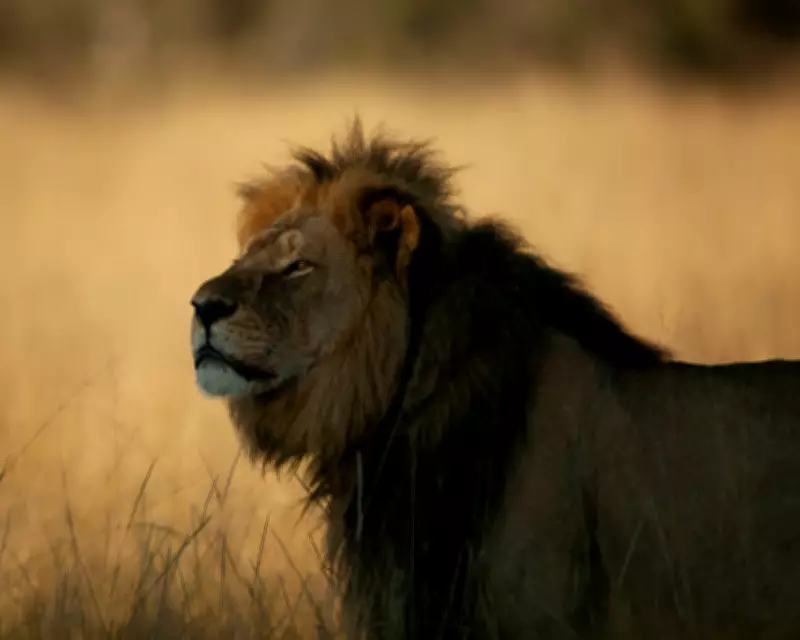
The film focuses on the 2015 killing of Cecil, a majestic lion from Zimbabwe's Hwange National Park, by American trophy hunter Dr. Walter Palmer. Cecil was no ordinary lion - at 12 years old, he was phenomenally majestic and beautiful, the head of two prides, and was being tracked by Oxford University researchers studying sustainable hunting quotas.
In June 2015, researchers noticed Cecil's tracking collar had stopped transmitting. Days later, they discovered his skinned and headless body. Investigation revealed Cecil had crossed the park boundary into a hunting area where Palmer, guided by local professional hunter Theo Bronkhurst, shot him. Palmer returned to the United States before the body was discovered.

What makes this case particularly troubling is that there was no quota for lion hunting in that area that year. The population needed recovery after too many young lions had been killed the previous year. While Palmer claimed reliance on local knowledge, and charges against Bronkhurst and the landowner were eventually dismissed, worldwide media coverage sparked international outrage.
Documentary's Strengths and Shortcomings
The documentary effectively retells the basic facts of Cecil's killing and the subsequent public reaction. However, when attempting to examine broader issues, it becomes frustratingly fragmented and superficial.
The film mentions but doesn't adequately explain several crucial contexts:
- The 1928 displacement of ancestral tribes to establish Hwange National Park
- The lack of transparency in how hunting revenue reaches local communities
- Whether some animal populations genuinely need controlled hunting
- The complex relationship between conservation needs and economic realities
A particularly odd moment comes when the documentary seems to conflate the hunting industry with photographic safaris, raising questions without providing meaningful analysis about whether both industries exploit African wildlife similarly.
Unanswered Questions About Trophy Hunting
The documentary serves as a prism through which to examine the interdependence of native Zimbabweans, the hunting industry catering to wealthy tourists, and national parks trying to protect wildlife while supporting the national economy.
Several critical questions remain largely unexplored:
- Why would someone pay thousands to kill an animal for sport rather than food or protection?
- How does trophy hunting affect conservation efforts when hunters target the rarest, most majestic animals?
- What responsibility do guides and outfitters bear when facilitating questionable hunts?
- Are Western perspectives on African wildlife conservation fundamentally flawed?
The film touches on the lack of transparency in hunting revenue distribution - money supposed to go to nearby communities when animals are "taken" rarely reaches them - but doesn't investigate why this happens or where potential corruption might lie.
Broader Implications for Wildlife Conservation
Cecil's story represents more than just one lion's death. It highlights the tension between conservation ideals and economic realities in developing nations. The documentary raises but doesn't answer whether:
- Westerners are too sentimental about animals they don't live alongside
- Local communities have become too blase about precious wildlife resources
- The hunting industry can be reformed to genuinely benefit conservation
- There are ethical distinctions between different types of wildlife tourism
While good documentaries should raise questions, Cecil: The Lion and the Dentist leaves too many unanswered, failing to provide the depth of analysis this complex issue deserves. The film is available for viewing on Channel 4, serving as an introduction to trophy hunting controversies but not as the definitive examination the subject requires.