Cornwall's Van Crusader: Steve Green's Mission to Salvage Abandoned Toxic Yachts
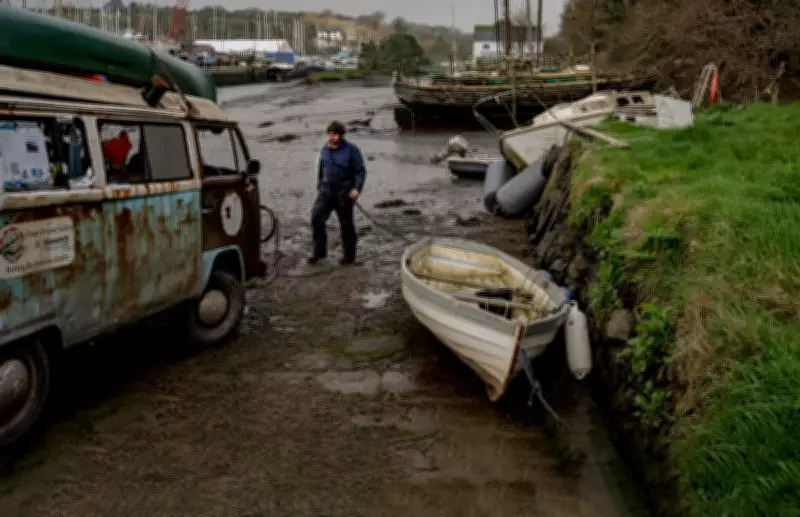
Steve Green, a boat engineer from Cornwall, was recently pulled over by police while driving his 1972 VW campervan, Cecil, towing a dilapidated yacht to Truro. He hadn't broken any laws, but admits Cecil—which runs on donated chip oil from local pubs and features a crane and winch—"wasn't quite what VW intended." Green and his trusty van are on a critical mission to remove 166 abandoned fibreglass yachts from the Helford and Fal rivers, where they leak plastic and toxins into marine waters.
The Hidden Crisis of Fibreglass Pollution
Marine biologists have compared the thousands of fibreglass shards found embedded in sea creatures near such wrecks to asbestos, known for its noxious effects on humans. This problem extends far beyond Cornwall, as the legacy of the mass-produced fibreglass pleasure boat boom from the 1960s and 1970s unfolds globally. Yachts from that era are now reaching the end of their useful lives, with no clear disposal plan.
Green was towing a 22ft Hurley yacht to Truro recycling centre, but the term "recycling" is euphemistic—these yachts end up in landfill. Disposal costs £1,200 per tonne, with larger yachts reaching up to £3,000, leading many owners to abandon them to avoid fees. Green, who runs Clean Ocean Sailing with his wife, relies on small grants, crowdfunding, and volunteers to tackle this issue, even running up £8,000 on credit cards last year when funds fell short.

The Environmental and Economic Toll
Each rescue mission begins with Green posting a 30-day notice on abandoned yachts, but tracing owners is often impossible due to lax licensing for coastal boats. He spends days clearing rubbish, silt, and sand from wrecks, using Cecil's trailer or his 100-year-old schooner, Annie, to transport them. Despite his efforts, Green acknowledges the environmental impact, stating, "I don't want a massive barge with a digger on it. That would do it in a day, but the impact is huge."
One example is Jehol, a 1970s Westerly Centaur that has changed hands four times for £1, only to be abandoned as owners faced high costs and maintenance. Left to decay, it now leaks harmful oil and resin-based paint into the water. Corina Ciocan, a marine biologist at Brighton University, warns that fibreglass breaks into microplastic shards that "spear the flesh of mussels and oysters like javelins," with her team finding over 11,000 shards per kilogram of oyster in Chichester harbour.
Seeking Sustainable Solutions
Ciocan advocates categorising rotting boats as hazardous waste and holding boat builders accountable for end-of-life disposal. Green supports the French model, where manufacturers pay an eco-contribution per boat sold, combined with an annual tax on licensed owners, funding 35 free scrapping centres that have removed over 16,000 boats since 2019. He is logging boat components to identify salvageable materials, aiming for a circular economy.
In Falmouth, the harbourmaster must tow discarded yachts to Truro at high cost, using harbour revenues when owners cannot be traced. Miles Carden, chief executive of Falmouth harbour, notes, "We can't afford the fees, but we have no choice." He emphasises the need for a recycling solution, as sunk boats are even more expensive to recover. For now, Green and his maxed-out credit card remain the primary solution for Cornwall's hidden creeks, balancing environmental preservation with financial strain for his family's future.