Hotel Hyatt Ziva Cancún in Mexico has faced criticism for housing six dolphins in a shallow concrete tank that was originally constructed as a swimming pool for guests. Since 2015, the hotel has rented the former pool to Delphinus, a company offering 'dolphin experience' programs.
Drone footage reveals distressing conditions
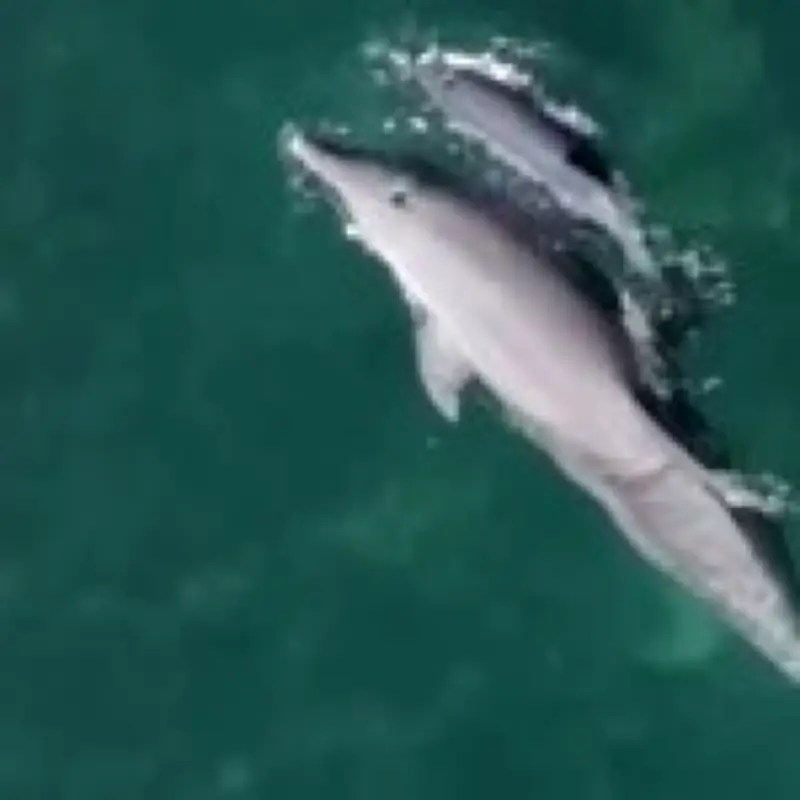
Drone footage from May 2026, provided by marine animal rights group TideBreakers, shows the dolphins swimming in endless circles or floating aimlessly by the gate. The animals are subjected to constant interactions with tourists throughout the day, limiting their time for normal social behavior, according to TideBreakers.
Poor living conditions and lack of rest
Marketa Schusterova, co-founder of TideBreakers, visited the resort in May and described the dolphins' living conditions as 'poor,' featuring shallow pools, minimal shade, and little to no rest. 'These dolphins are in shallow tanks, have no escape, no shade, suffer from a constant barrage of disco music, and then at night a laser show keeps them awake,' she said. 'They are not medically looked after well, appear thin, have damage and scars on their bodies, and they are clearly distressed.'

Schusterova added: 'There is zero possibility of any kind of normal social behaviour as they might experience it in the wild.'
Global boycott campaign launched
TideBreakers is launching a global campaign to boycott Hyatt hotels until they stop renting the pool to Delphinus. The group urges consumers to avoid Hyatt properties to pressure the hotel chain into ending the arrangement.
Hyatt's response
A spokesperson from Hyatt Ziva Cancún responded: 'We understand the concerns raised regarding the dolphins at the resort. While the dolphin habitat and program at the resort are operated and managed by a third party, Delphinus, we want all services and experiences offered at our hotel to meet our high standards. Delphinus is an organisation accredited by Mexican authorities and international agencies and is responsible for the care of the dolphins, including support from trained animal care and veterinary professionals.'