

The Queensland government has performed a significant policy U-turn, deciding to continue allowing farmers to shoot flying foxes to protect their crops. This move revokes a planned ban that was due to come into force in July 2026, drawing sharp criticism from conservationists and scientists who label the practice both cruel and ineffective.
A Controversial Reversal
In 2023, the state announced a three-year phase-out of the shooting permits, set to conclude on 1 July 2026. The lengthy lead time was designed to give agricultural businesses the opportunity to transition to non-lethal deterrents, such as specialised exclusion netting. However, in a quiet reversal during December, the state's Department of the Environment, Tourism, Science and Innovation revoked this ban.
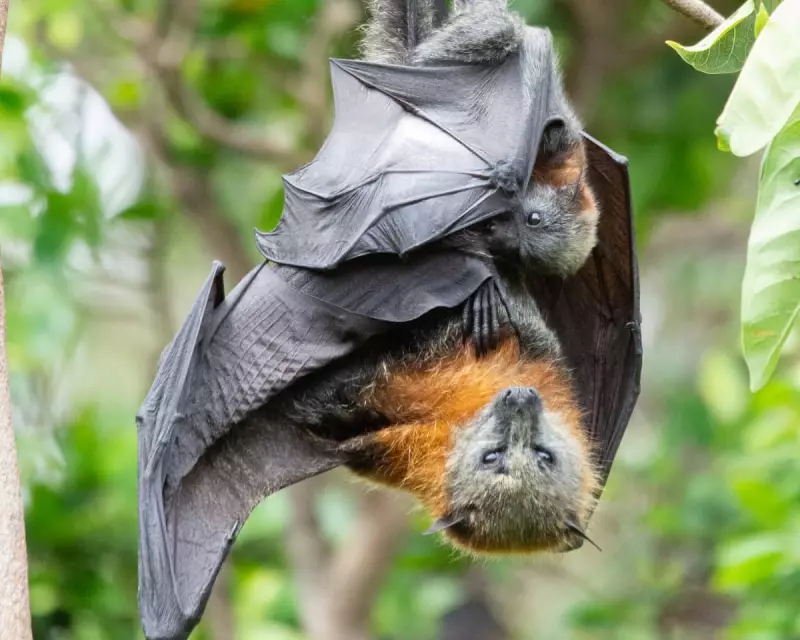
Permits issued by the department allow for the "lethal take" of flying foxes, with an annual statewide quota of 1,630 animals. This quota includes 130 grey-headed flying foxes, a species listed as vulnerable under federal environmental laws, alongside 700 black and 800 little red flying foxes.

Conservationists Decry "Barbaric" Practice
Wildlife advocates have reacted with dismay to the decision. Lawrence Pope, a spokesperson for Friends of Bats & Bushcare, described the shooting as "barbaric", highlighting that many animals die slowly from their injuries. He also pointed out the particular cruelty to breeding females. "Fruit ripening coincides with flying fox breeding season, meaning female flying foxes are often shot when pregnant or nursing," he said. If a mother is killed, her dependent pup will starve.
The Australasian Bat Society strongly objects to the practice, stating in a position paper that shooting is ineffective at reducing crop damage and inhumane, as the likelihood of a clean, instantaneous kill is low. Government data supplied to the ABC reveals that more than 20,000 flying foxes have been shot under the program over the past decade.
Calls for Investment in Non-Lethal Solutions
Conservationists argue that the government should support farmers in adopting proven, non-lethal methods. Rebecca Appleton, from Bat Conservation and Rescue Queensland, said, "We would ask the government to invest more in helping the remaining farms to get [exclusion netting] set up, [rather] than continue to allow shooting. Better for farmers and bats – everyone wins."
Jenny Mclean from the Tolga Bat hospital in the Atherton Tablelands noted that many growers had successfully transitioned to netting during the three-year phase-out period. Her message to those who haven't was blunt: "If they can’t afford netting, they shouldn’t be growing fruit crops."
A government spokesperson stated that shooting permits would remain available to support farmers where all other management options had been exhausted. Applicants must have held a permit since 1 September 2012 and demonstrate they have attempted at least two non-lethal methods.






