Scottish Avalanche Season Surges with Over 200 Recorded, SAIS Forecasters on High Alert
Scottish avalanches have made a dramatic return this winter, with more than 200 incidents recorded so far, a stark contrast to the previous year's record low of 42. The worst season for fatalities remains 2012-13, when eight people lost their lives, including four who were buried in deep snow during an unexpected avalanche while descending Glen Coe's Bidean nam Bian.
Fortunately, despite one person being carried down Ben Nevis and two others falling through cornices and triggering slips, there have been no confirmed avalanche deaths this season, though one individual is still missing on Ben Nevis. Search efforts continue in and around the sites of recent avalanches, highlighting the ongoing risks in Scotland's mountainous regions.
Global Avalanche Tragedies and the Role of SAIS
In the past month, tragically high numbers of avalanche fatalities have occurred in the Alps and the United States, including a recent Californian accident that claimed nine lives, six of whom were women. This underscores the potential consequences for mountaineers worldwide and the critical need for accurate forecasting.

The Scottish Avalanche Information Service (SAIS), tracing its origins back to 1988, has for decades published a vital daily avalanche forecast for six separate Scottish mountain areas: Lochaber, Glen Coe, Creag Meagaidh, Torridon, and the northern and southern Cairngorms. This service runs from mid-December to mid-April, providing essential information for climbers, skiers, and walkers.
Expert Forecasters and Their Daily Missions
SAIS employs 19 highly experienced forecasters, each an expert mountaineer with comprehensive training in avalanche science and forecasting. These specialists, who often serve as guides, instructors, climbers, and skiers, are frequently involved in volunteer search and rescue teams.
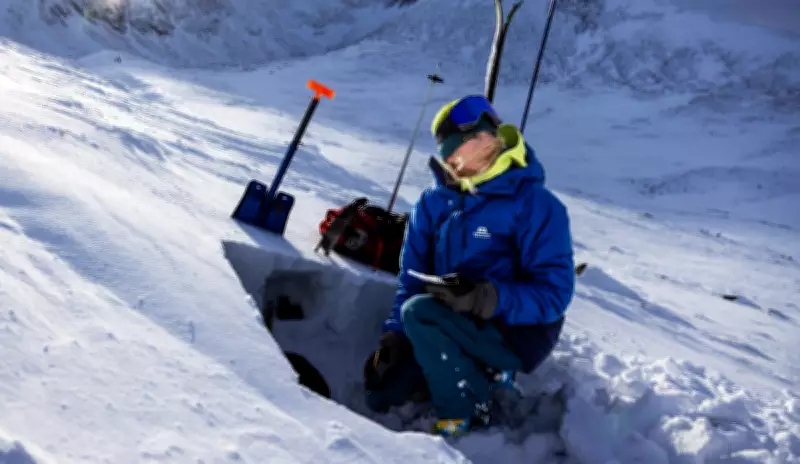
Every morning, they venture into the frozen wilderness on skis, snowshoes, or cramponed feet to investigate conditions. They make general observations, dig snow pits, and inspect ice crystals with magnifiers to assess the snow pack. Their goal is to identify weak layers, which they compare to the jam and cream in a Victoria sponge: if tilted enough, a tap can cause the top layer to slide off, triggering an avalanche.
Understanding Avalanche Risks and Survival Strategies
Forecasters note that 90% of avalanche victims start their own slides, often triggered accidentally by human activities like walking or skiing. Natural triggers include collapsing cornices—snow overhangs on steep ground. Wind slab avalanches are particularly dangerous, as they can be triggered remotely with little visible warning, sometimes indicated by a "whumpf" sound signaling weak layer collapse.
If buried in an avalanche, the first 15 minutes are critical, with a 93% survival rate if rescued quickly. After 30 minutes, survival chances drop significantly due to asphyxiation. This emphasizes the importance of companions equipped with transceivers, shovels, and probes for rapid response.
SAIS's Future and Unique Approach
Graham Moss, coordinator of SAIS, explains that the service has operated similarly for 40 years, based on historical avalanche data. However, with changing patterns like increased ski touring, SAIS aims to become more reactive to conditions. Over the next few years, the service plans to revamp its communications, including phone apps, online platforms, and social media presence.
Unlike many European countries where forecasters are office-based, SAIS sends its forecasters into the field daily, a model that provides firsthand insights into Scotland's unique and rapidly changing winter environment. This approach has been praised by international experts, such as Canadian forecaster Alan Dennis, who considers Scotland the most exciting place to work due to its fast rate of change.
As the season progresses, SAIS remains vigilant, combining traditional methods with modern technology to enhance safety and prevent tragedies in Scotland's majestic but perilous mountains.