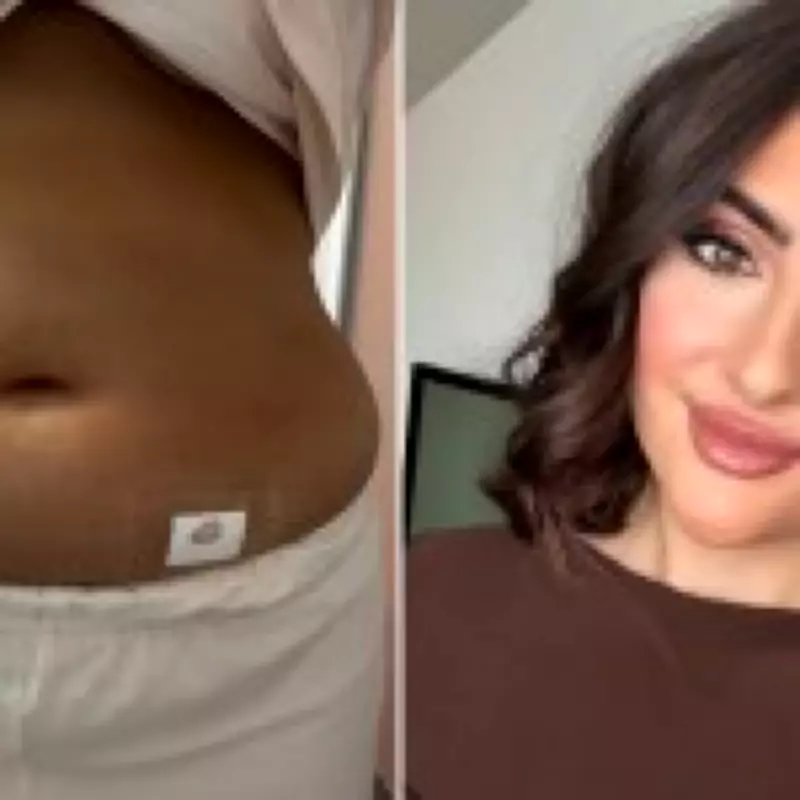
Doctors told Darcie Baker that getting pregnant would solve all her problems. At 25, alone in a gynecologist's office, a male consultant diagnosed her with endometriosis and suggested pregnancy as a cure. Initially scared, she felt unheard and unsupported. But that advice turned her fear into anger. She couldn't believe a young adult was told to just get pregnant, leaving her speechless.
Living with Endometriosis
Endometriosis is a chronic condition where cells similar to the womb lining grow elsewhere in the body, causing excruciating pain. Darcie wished she had seen a female gynecologist instead of the man who suggested pregnancy as the easiest way to live without pain. She felt helpless, drained, and fed up. Pregnancy wasn't an option—she was nowhere near ready for a family, figuring out her life and financially unstable. She found the advice inappropriate and disgusting.
At 18, a gynecologist in A&E told her she had 'bad period pain' after collapsing at home. But the agony consumed her. Periods lasted weeks, heavy and relentless, leaving her drained. Even after bleeding stopped, the pain continued in waves—sharp, deep, unbearable—leaving her doubled over. Her abdomen swelled, and she felt nauseous and exhausted.

Years of Dismissal
Every visit to her GP or a specialist ended with dismissals: 'it's all in your head,' 'take paracetamol,' or get a contraceptive coil. She was expected to carry on as if normal, but she knew it wasn't. None of her friends experienced anything like it. She pushed it aside, endured, and carried on for years, feeling like she was overreacting.
By 23, in 2022, she finally felt answers might come. She was under a gynecology consultant specializing in endometriosis, encouraged by colleagues and friends to keep fighting. After seven long years, in September 2025, laparoscopic surgery finally diagnosed her with endometriosis. She would have been delighted if not told that getting pregnant would 'solve a lot of my problems.'
Sitting on the recliner bed, she tried to process the news. She had just begun building her career in the ambulance service, focusing on a stable future, not starting a family. There were moments she wondered if she should follow the advice, get pregnant, and hope it fixed everything. But deep down, she knew that wasn't right—she wasn't in a good place.
The Coil Experience
When she explained her concerns and admitted she wasn't sure about her fertility, her worries were brushed aside. The same repeated message: have the coil fitted. The contraceptive coil is supposed to help with hormonal symptoms and endometriosis by reducing pelvic pain and heavy periods. It worked for three months, but flare-ups worsened. She felt lost and wanted to give up.
Each appointment left her feeling smaller, ignored, and invisible. But that experience changed something. Over time, she realized she knew her body better than anyone. The coil caused weight gain, insomnia, severe acne, and mental health decline. In January 2026, she had it removed—a turning point. It wasn't easy, but it was her decision, and for the first time in a long time, she felt in control.
Taking Back Control
Her journey with endometriosis continues, but her perspective has shifted. She is back under her GP's care, who listens and trials different pain medications. She still deals with regular pain, managing with strong pain relief, hot water bottles, hot baths, and sleep. It doesn't always work, but she feels empowered to get through it.
What once made her feel powerless has given her purpose. She understands the value of trusting her own voice, now that she has answers and understands her body. She is in a better place mentally and determined to use her voice to ensure others don't feel as alone as she once did.