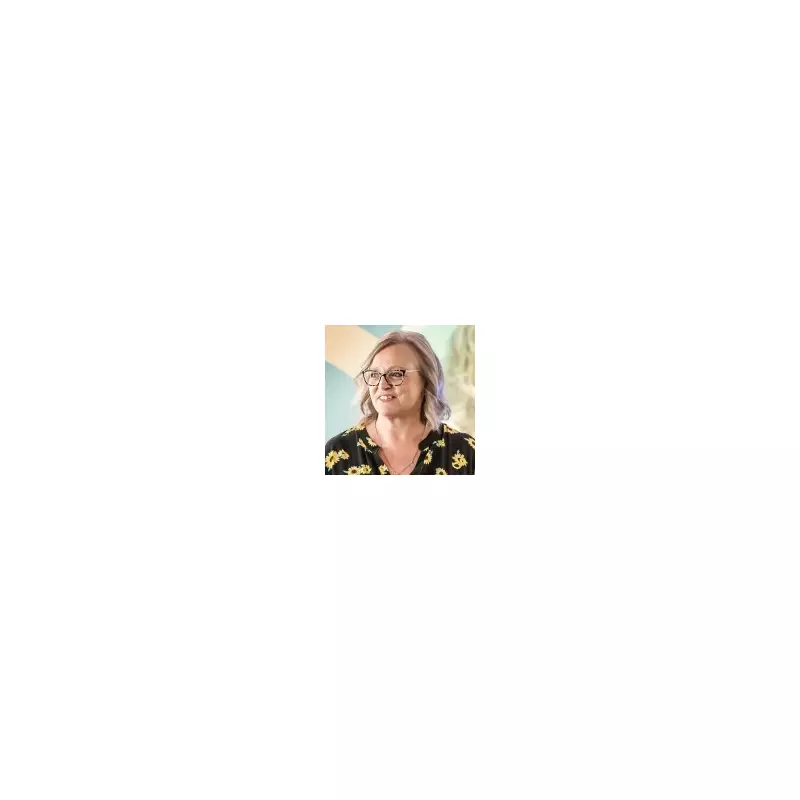
When Annie Bennett received the news that her cancer was incurable in July 2024, her reaction defied expectations. Instead of panic, she found a profound sense of calm. For her, the diagnosis became a catalyst for a deeper reflection on life's one true certainty: death.
A diagnosis met with calm, not fear
On 2 July 2024, two months after discovering a lump, Annie's oncologist delivered the life-altering news. The breast cancer had spread to her bones and was incurable. "The cancer has gone to your bones and I can't cure it," he told her. Her immediate response was one of shock, but notably absent was the terror many would anticipate. She experienced a quiet acceptance, a reaction that surprised even her.
This composure, Annie explains, stems from a fundamental belief she has cultivated over time: she is not afraid of death. She views it not as a spectre to be feared, but as a natural conclusion to be acknowledged—a quiet reminder that life's value is intrinsically linked to its finiteness.

Shaping a personal philosophy on mortality
Annie's perspective wasn't formed overnight. Her early encounters with loss, like the death of her tabby cat Tiger Lily when she was 12 and her grandmother's passing at 83, were met with sadness but within a family context that did not dwell dramatically on death. The subject was rarely discussed, not out of taboo, but simply because it seldom arose.
As an adult, her views crystallised further. While not opposed to religion—she attended church when her children were young—Annie does not believe in an afterlife. This conviction, she says, reinforces her view that death will be akin to a deep, unknowing sleep. "I won't know it's happened, and so I'll be none the wiser," she reflects. However, she maintains an open mind, humorously adding that she'd "jump at the chance" to return as a Red Admiral butterfly to reassure loved ones.
Choosing life and challenging taboos
Following her terminal diagnosis, Annie's focus shifted decisively to living purposefully. She resolved to stop wasting time and is now ticking off long-held ambitions, including travelling, returning to the stage, and working as a TV extra. She has also founded a charity, The Chronicles of Hope.
Her openness has sparked candid conversations with others, like a friend whose terror of non-existence required therapy. Annie struggles to align with this fear, questioning how one can worry about not knowing if one is not conscious to experience it.
She has also become an advocate for more direct dialogue about death, disliking common euphemisms like "passed" or "no longer with us." She believes saying "died" can be done with compassion and that normalising these discussions can remove societal fear.
Attending her aunt's funeral recently, she didn't dwell on her own mortality but instead gathered ideas for her own eventual service, appreciating the sharing of memories and photo slideshows.
Annie Bennett's story is a powerful testament to facing mortality with clear eyes. She is convinced that by talking about death more openly—discussing it, even joking about it—we can collectively diminish its power to frighten. In accepting its inevitability, she argues, we grant ourselves the freedom to live our remaining days, however many they may be, with greater intention, love, and peace.