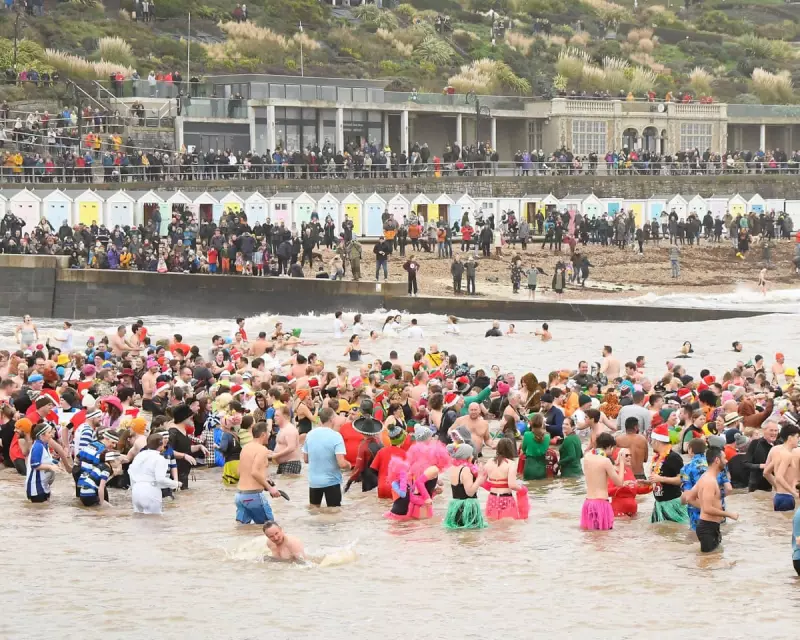
The Royal National Lifeboat Institution (RNLI) has issued a stark safety warning to anyone in Britain considering a traditional new year dip in the sea, following the disappearance of two swimmers on Christmas Day.
Christmas Day Tragedy Prompts Safety Plea
The urgent advice comes after Matthew Upham, 63, and another man in his 40s went missing during a Christmas Day swim at Budleigh Salterton in Devon. While a number of other people were safely brought to shore, the two men could not be found. It is reported they had entered the water to assist a woman in difficulty.
Of those rescued, two were checked by paramedics and one was taken to hospital as a precautionary measure. The incident has highlighted the significant dangers posed by winter sea conditions.

Understanding the Risks of Cold Water
Gareth Morrison, the RNLI's Head of Water Safety, emphasised that the effects of cold-water shock are a critical risk factor. Sea temperatures around the UK and Ireland currently average between 6°C and 10°C, and will continue to drop, reaching their coldest around March.
"With the sea temperatures still dropping, the effects of cold water, combined with weather conditions and any personal health issues, should be taken seriously before venturing in," Morrison stated on Tuesday. Water below 15°C can induce cold-water shock, impacting breathing and heart rate.
Essential Safety Advice for Winter Swimmers
The RNLI has issued clear guidance for those planning festive or regular winter swims:
- Assess your ability and conditions: Carefully check the sea state and weather before entering the water.
- Consult your GP: First-time open water swimmers should seek medical advice, especially regarding personal health conditions.
- Never swim alone: Go with others or join an organised group so you can look out for each other.
- Wear appropriate gear: A wetsuit helps retain warmth and buoyancy. A bright swim cap and a tow float increase visibility and can be used in an emergency.
- In an emergency, call 999: If you see someone in trouble, call the Coastguard immediately. Do not enter the water yourself to attempt a rescue.
Morrison's final message was clear: "The most important thing to remember is if you are in any doubt stay out of the water and if you or anyone else does get into trouble in or on the water, please call 999 or 112 and ask for the Coastguard."