For decades, conversations about pelvic floor health have been hushed, often limited to postnatal advice or issues associated with ageing, with the ubiquitous instruction to 'do your Kegels' offered as a catch-all solution. However, specialists now emphasise that proactive, daily care of these crucial muscles is essential for everyone, regardless of gender or life stage.
Understanding and Engaging Your Core Foundation
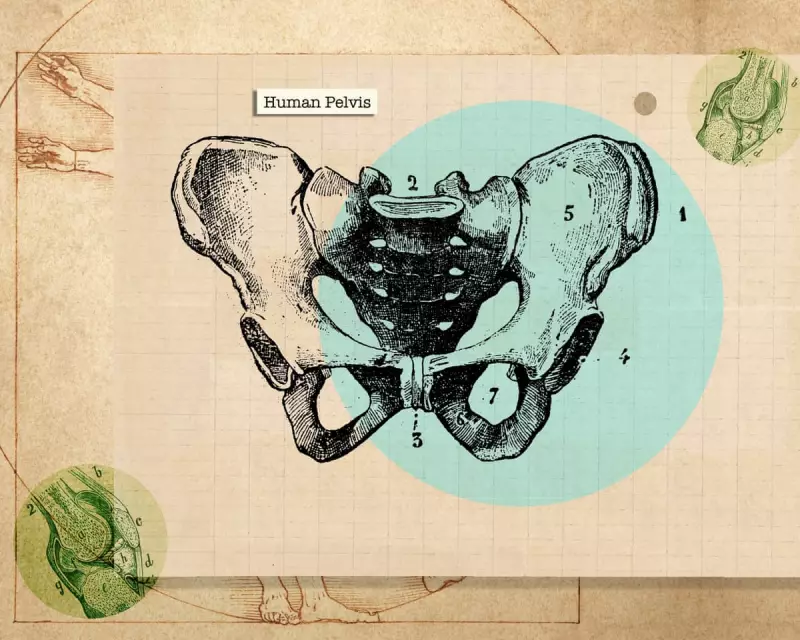
The pelvic floor is a complex web of muscles and ligaments spanning from the pubic bone at the front to the tailbone (coccyx) at the back. According to Lisa Birmingham, a senior physiotherapist and director of All Women’s Health in Brisbane, this structure acts as a supportive hammock, 'pulling everything in from below' to hold up the bladder, bowel, and, in women, the uterus.
Shan Morrison, a specialist physiotherapist and director of Women’s and Men’s Health Physiotherapy in Melbourne, stresses its universal importance, noting that 'ten per cent of men experience persistent pelvic pain at some stage.' The goal, experts agree, is to develop a strong, well-toned muscle group through mindful exercise and daily habits.

Mastering the Squeeze, Release, and Relax Cycle
Effective strengthening begins with locating the muscles. For women, Birmingham describes a two-part movement: 'Squeeze at the front as if you’re holding onto a wee and an anal squeeze at the back which feels like a lift.' A vivid cue is to imagine being in a crowded lift 'trying to hold in a fart.' For men, Morrison advises the cue is to 'lift up the testicles.'
A standard recommendation is to aim for 10 repetitions, holding each squeeze for 5–10 seconds. Crucially, learning to relax these muscles is as important as contracting them. Angela James, founder of the Sydney Pelvic Clinic, warns against the 'overzealous gripping' sometimes seen in pilates, which can create excessive tension.
Many people 'chronically over-engage their core muscles' trying to maintain posture, she says, which can lead to abdominal and pelvic floor pain. Regular check-ins to ensure you aren't constantly clenching are vital.
Daily Habits for a Stronger Pelvic Floor
Beyond formal exercises, integrating simple techniques into your routine can offer significant protection. Birmingham recommends 'the knack': bracing your pelvic floor muscles just before a cough, sneeze, or laugh to counteract sudden abdominal pressure. To build this habit, try 'habit stacking'—performing a quick hold every time you stand up after using the toilet.
Toilet habits themselves are critical. Constipation is a major stressor, says Dr Millie Mardon, a pelvic pain researcher at Western Sydney University. Straining weakens muscles over time. 'Your rectum is not a storage facility,' Birmingham cautions, advising against delaying bowel movements. Using a footstool to mimic a squatting position can reduce straining, and Morrison adds it's equally important not to go 'just in case.'
Nutrition plays a direct role. To support bowel and urinary health, aim for five servings of vegetables and two of fruit daily, plus at least a third of a cup of lentils or chickpeas, says Birmingham. Mardon champions 'adding colour to your plate' for fibre, suggesting gut-friendly options like chia seed pudding soaked with berries and flaxseeds.
Movement, Breathing, and Knowing When to Seek Help
Contrary to popular belief, 'there is no such thing as bad posture,' asserts Mardon. The real issue is stillness. 'Our pelvic floor muscles love to move.' She recommends simple changes: getting off the bus a stop early, taking the stairs, and shifting position regularly if you have a desk job.
Morrison advocates a 'balanced movement diet' of cardio, stretching, and strengthening—gentle walking, swimming, or yoga are excellent. Importantly, Birmingham advocates for heavy weight lifting to combat muscle decline after 30, stating it does not worsen leakage or prolapse and can 'increase the strength in the area.'
Breathing patterns are also key. Shallow chest breathing from sedentary work can increase body tension and affect pelvic floor function. Morrison recommends making diaphragmatic (belly) breathing your default to calm the nervous system and promote healthy pelvic movement.

Finally, experts urge people not to normalise pelvic pain. Pelvic pain is not normal nor 'part of being a woman,' Mardon states, referring to any pain between the navel and thighs. Morrison warns against delaying care, citing long diagnosis waits for conditions like endometriosis. 'Early intervention is much more effective.'
If you experience leakage or pain, Birmingham advises seeing a specialised physiotherapist, assuring that internal exams are never mandatory if you are uncomfortable. As Angela James concludes, good pelvic health is something you don't think about—it just works. When it doesn't, it profoundly impacts your quality of life.