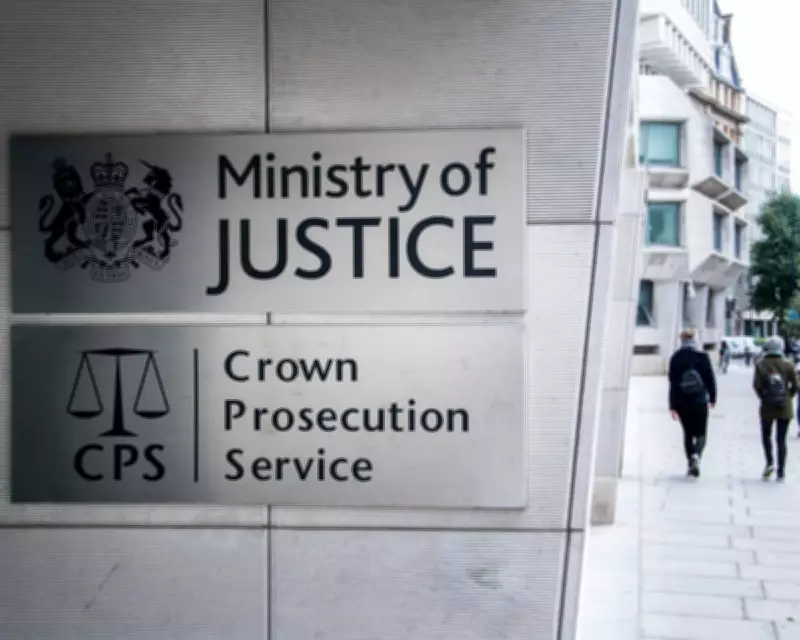
CPS Issues New Guidance Classifying Circumcision as Potentially Harmful
The Crown Prosecution Service (CPS) has released updated legal guidance that formally classifies circumcision as a potentially harmful practice. This significant development, published on March 5, 2026, marks a pivotal shift in how UK authorities approach this long-standing cultural and religious tradition. The guidance aims to provide clearer legal frameworks for prosecutors handling cases involving non-therapeutic circumcision, particularly for minors.
Legal and Ethical Implications of the New Classification
The CPS guidance explicitly states that circumcision, when performed without medical necessity, can be considered harmful under UK law. This classification applies primarily to procedures conducted on children who cannot provide informed consent. The document outlines that prosecutors should assess cases based on factors such as the child's age, the absence of therapeutic benefit, and potential risks including pain, infection, or long-term complications. While the guidance does not ban circumcision outright, it emphasizes that religious or cultural justifications may not override child protection concerns in legal proceedings.
This move aligns with growing international scrutiny of non-therapeutic circumcision. The CPS cites evidence from medical and human rights organizations highlighting potential physical and psychological harms. The guidance also references the United Nations Convention on the Rights of the Child, which advocates for protecting children from practices that could cause harm. However, the CPS clarifies that each case must be evaluated individually, considering the specific circumstances and intent behind the procedure.

Reactions from Religious and Community Groups
The new guidance has ignited intense debate across the UK. Jewish and Muslim communities, where circumcision is a fundamental religious rite, have expressed strong opposition. Leaders argue that the classification undermines religious freedom and stigmatizes centuries-old traditions. They contend that circumcision, when performed by trained practitioners under hygienic conditions, is safe and holds deep spiritual significance. Some groups have threatened legal challenges, asserting that the guidance could lead to discriminatory prosecutions against minority faiths.
Conversely, child protection advocates and secular organizations have welcomed the CPS's stance. They argue that children's rights to bodily autonomy should take precedence over parental or religious preferences. Campaigners note that the guidance does not criminalize circumcision but ensures that harmful cases can be prosecuted more effectively. They also highlight that the UK has previously restricted other cultural practices, such as female genital mutilation, on similar grounds.
Potential Impact on Healthcare and Legal Practices
The CPS guidance is expected to influence both medical and legal sectors in the UK. Healthcare providers may face increased scrutiny when performing circumcisions, particularly on minors. The guidance advises prosecutors to consult medical experts to determine if a procedure was medically necessary or posed undue risk. This could lead to more rigorous consent processes and documentation in clinical settings.
Legally, the guidance provides a framework for potential prosecutions under laws related to assault or child abuse. However, the CPS acknowledges the complexity of such cases, noting that successful prosecutions would require clear evidence of harm and malicious intent. The guidance also suggests that cases involving older children or adults who consent may be treated differently. Overall, this development reflects a broader trend toward prioritizing child welfare in UK policy, while balancing it with respect for cultural diversity.