That familiar mid-afternoon crash, where eyelids grow heavy and concentration wanes, is a near-universal experience. For many, it strikes around 3pm, transforming the post-lunch period into a battle against fatigue. Experts confirm this slump is a biological reality, but also offer practical strategies to mitigate its impact and sustain energy levels throughout the day.
The Science Behind the Afternoon Crash
According to Dr Thomas Marjot, a hepatologist at Oxford University Hospitals with a focus on circadian rhythms, two key processes converge to create the classic slump. "Sleep pressure," the natural tiredness that builds the longer we are awake, combines with a natural dip in our circadian alertness signal in the afternoon. This pattern is so ingrained it appears even in isolation experiments, proving it's a fundamental part of human biology.
Dr Linia Patel, a dietitian and nutritionist, emphasises that while end-of-day tiredness is normal, chronic fatigue or crashing at your desk warrants a medical check-up, as it could signal an underlying health issue. The afternoon dip, however, has widespread implications, from reduced work performance to increased risk of accidents, like nodding off while driving.

Fuel Your Body, Don't Drain It
Your lunch choices play a pivotal role. A large, carbohydrate-heavy meal can exacerbate sleepiness by activating the 'rest and digest' parasympathetic nervous system. Dr Patel advises structuring your lunch plate with a quarter wholegrain carbs, a quarter protein, and the rest vegetables or fruit. This balance provides sustained energy without the crash. She warns against relying on sugary snacks for a quick fix, as they often lead to a subsequent energy crash.
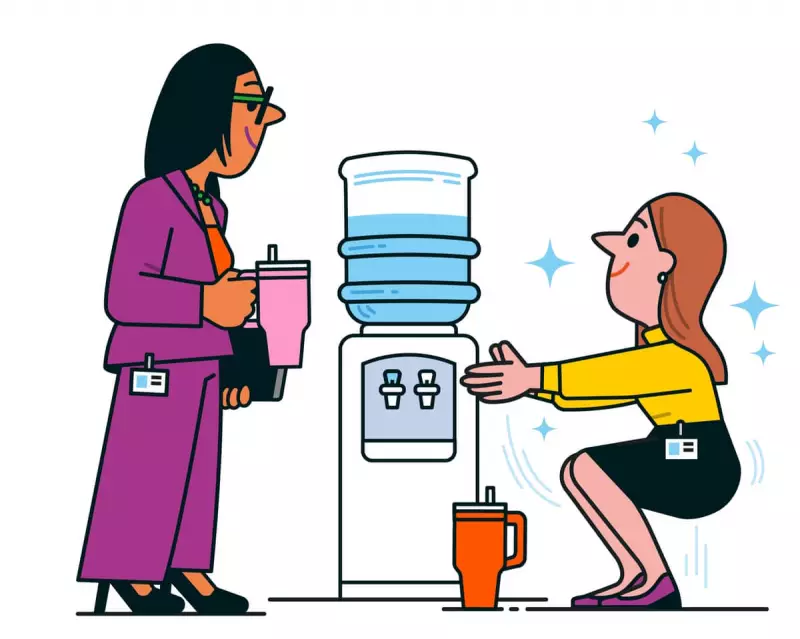
Hydration is another critical, yet often overlooked, factor. "Most of the time I find people who have a slump are also dehydrated," says Patel, recommending 1.5 to 1.8 litres of water daily. Mild dehydration significantly reduces cognitive and physical efficiency.
While caffeine is a popular alertness prop, moderation and timing are key. General guidance suggests a maximum of 400mg per day (roughly two cups of coffee) and cutting off consumption by lunchtime to avoid disrupting sleep. Energy drinks are discouraged due to high sugar and additive content.
Movement, Light and Social Connection
Post-lunch activity is crucial. Instead of returning straight to a sedentary position, a brief walk outside aids digestion and boosts alertness. Sleep therapist Dr Katharina Lederle recommends taking a mini movement break every hour to improve energy, attention, and even sleep quality.
Light exposure is a powerful tool, especially in winter. Getting daylight during the day helps signal to your circadian clock that it's time to be awake. Social interaction, whether a quick chat or a message to a colleague, is also a proven way to re-energise during a micro-break.
The Role of Sleep and Strategic Napping
Ultimately, daytime energy is built on nighttime rest. Good sleep hygiene—morning light, limited afternoon caffeine, a cool dark bedroom, and a screen-free wind-down period—is essential. For those who sleep well, a short 20-30 minute nap during the afternoon dip can be restorative. However, those with chronic sleep issues may be better served by a walk instead.
For the evening slump, experts suggest increasing light exposure in the late afternoon or simply accepting the natural wind-down and opting for an early night. By understanding the biological triggers of the afternoon slump and implementing these targeted habits, it's possible to navigate the day's energy peaks and troughs with greater ease and focus.