

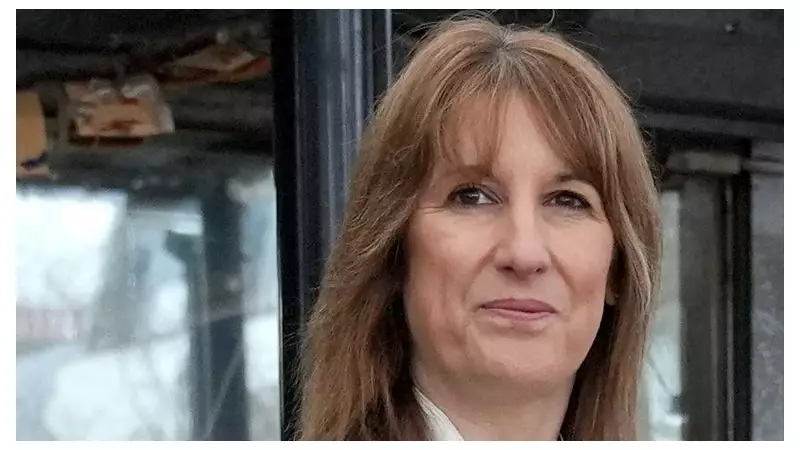
Chancellor Rachel Reeves is facing accusations of "quietly hammering" millions of British workers through stealth taxes implemented in her November budget, a leading think tank has stated.
The Mechanics of a 'Back Door' Tax Rise
While the Chancellor avoided direct increases to income tax, National Insurance, or VAT – a move seen as adhering to manifesto commitments – her Autumn Statement extended an existing freeze on income tax and National Insurance contribution thresholds until 2031. This policy, which she had criticised when employed by previous Conservative governments, is a form of fiscal drag.
As wages rise with inflation over the coming years, more individuals will be pulled into higher tax brackets or start paying tax for the first time, effectively increasing the Treasury's tax take without officially raising rates. The Treasury has defended the move as "fair and necessary", projecting it will raise an additional £23 billion in the 2030-31 financial year to fund priorities like reducing NHS waiting lists and managing national debt.

Winners, Losers, and the Real-Terms Impact
According to analysis by the centre-right Centre for Policy Studies (CPS), which used official Office for Budget Responsibility forecasts, the consequences for workers are stark. They calculate that an individual earning £50,000 today will be £505 worse off in real terms by 2031, despite their salary being forecast to rise by over £6,000.
Daniel Herring, Head of Economic and Fiscal Policy at the CPS, said: "Labour's tax policy is quietly hammering workers while protecting pensioners and benefit recipients. Freezing the personal allowance will hit everyone, but it's those dragged into higher tax bands who will really suffer."
In contrast, the analysis suggests pensioners and some benefit claimants will be better off. Thanks to the triple lock, a pensioner could be at least £306 better off in real terms in 2030-31. Furthermore, increases to the standard rate of Universal Credit are projected to leave someone on unemployment benefits £290 better off.
Political Reactions and Defence
The policy has ignited political controversy. Conservative Shadow Chancellor Sir Mel Stride accused Ms Reeves of lacking the "backbone to control spending", asserting that "hardworking people are paying the price".
Defending her budget, the Chancellor had stated she was "asking everyone to make a contribution" to fund vital public services. A Treasury spokesman highlighted other measures from the budget, including increases to the National Living Wage, a £150 energy bill rebate, and freezes on prescription fees and fuel duty.
The debate centres on whether this method of raising revenue, described by critics as "raising taxes through the back door", is the most transparent and equitable way to address the nation's finances, setting the stage for a key political battleground as the next election approaches.






