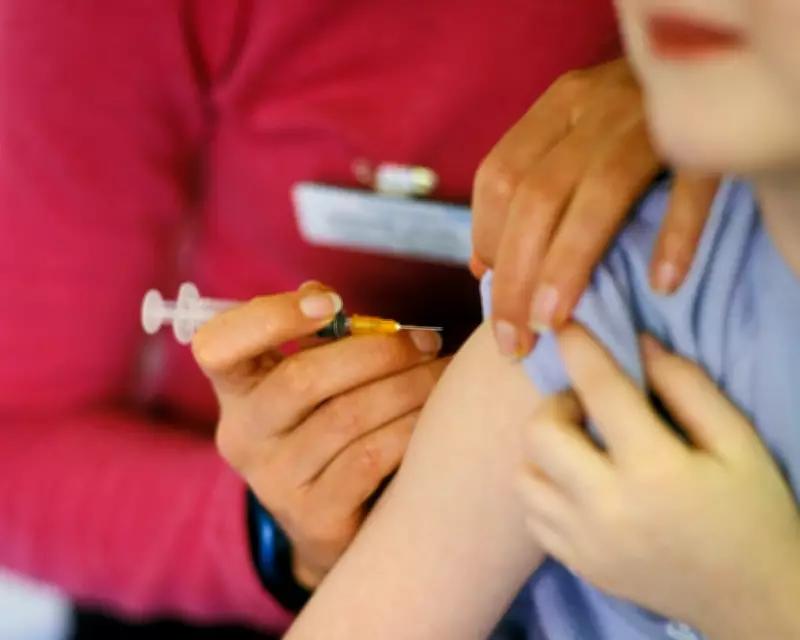
NHS Unveils Pharmacy-Based MMR Vaccination Initiative to Tackle Measles Outbreak
The National Health Service (NHS) has announced a significant reform to expand access to the measles, mumps, and rubella (MMR) vaccine for children, with plans to allow vaccinations to be administered at pharmacies across the United Kingdom. This move comes in response to a concerning surge in measles cases, driven by declining vaccination rates in recent years. The initiative aims to make it easier for families to protect their children against this highly contagious disease, which can lead to serious complications such as pneumonia, encephalitis, and even death.
Boosting Vaccination Rates Through Enhanced Accessibility
Under the new scheme, pharmacies will be equipped to provide the MMR vaccine to children, supplementing traditional routes through general practitioners (GPs) and schools. This expansion is designed to address barriers to vaccination, including long wait times at clinics and logistical challenges for busy parents. By leveraging the widespread network of pharmacies, which often have extended hours and convenient locations, the NHS hopes to increase uptake, particularly in underserved communities where measles outbreaks have been most prevalent.
Health officials emphasize that this reform is part of a broader strategy to reverse the decline in MMR vaccination coverage, which has fallen below the World Health Organization's recommended threshold of 95% in some areas. Measles cases have risen sharply, with recent data showing a tripling of infections compared to previous years, prompting urgent action to prevent further spread.

Addressing Public Health Concerns and Misinformation
The decision to involve pharmacies follows extensive consultations with healthcare professionals and public health experts, who highlight the need for a multi-faceted approach to vaccination. Misinformation about vaccine safety, often spread through social media, has contributed to hesitancy among some parents, leading to lower immunization rates. The NHS plans to complement the pharmacy rollout with public awareness campaigns, educating families about the importance of the MMR vaccine and dispelling myths that have persisted since the discredited link to autism was debunked decades ago.
Pharmacists will receive specialized training to administer the vaccine safely and counsel parents on its benefits, ensuring a high standard of care. This initiative is expected to roll out in phases, starting with pilot programs in regions with the lowest vaccination rates, before expanding nationwide. The government has allocated additional funding to support the training and infrastructure needed for pharmacies to participate effectively.
Long-Term Implications for Child Health and NHS Efficiency
Experts predict that this reform could have a lasting impact on public health by reducing measles transmission and preventing future outbreaks. By decentralizing vaccination services, the NHS aims to improve efficiency and reduce pressure on GP surgeries, which are often overwhelmed with demand. This approach aligns with broader trends in healthcare delivery, emphasizing community-based solutions to enhance accessibility and patient outcomes.
Parents are encouraged to check their children's vaccination status and take advantage of the new pharmacy options once available. Health leaders warn that without increased immunization, measles could become endemic again in the UK, reversing decades of progress in disease control. The NHS's proactive stance underscores a commitment to safeguarding child health through innovative reforms and collaborative efforts across the healthcare sector.