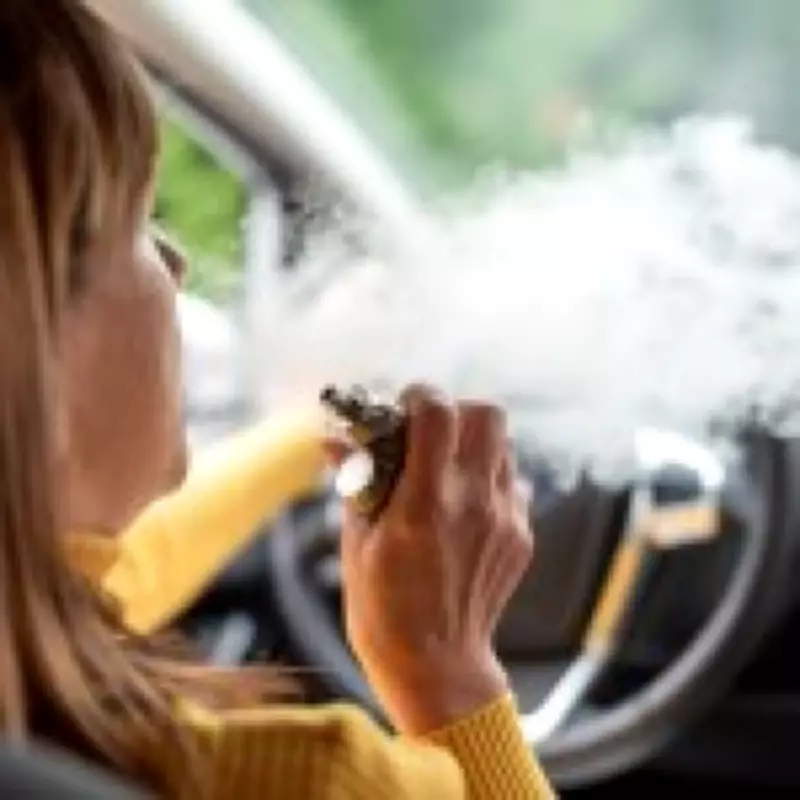
UK Government Proposes Ban on Vaping and Smoking in Cars with Children
Drivers in the United Kingdom could soon face a ban on smoking and vaping if children are present in their vehicles. Ministers are currently drafting comprehensive plans to prevent individuals from smoking, vaping, or using heat tobacco products in playgrounds, outside schools, and in cars where under-18s are traveling. This initiative is a key component of a broader government crackdown aimed at mitigating the severe health risks associated with secondhand smoke exposure.
Expanding Smoke-Free Zones to Protect Vulnerable Groups
The Department of Health is spearheading efforts to extend smoke-free environments to safeguard children and other vulnerable populations from health threats such as heart disease, lung cancer, and asthma. Under the proposed regulations, smoking would be officially prohibited outside hospitals and health facilities, while vaping would remain permitted to assist smokers in their cessation efforts. Although smoking is already banned indoors, the new proposal would also enforce strict vape-free policies in these areas. Additionally, the smoke ban would apply to workplaces and public transport systems.
Exemptions and Implementation Details
However, the plan includes specific exemptions. Outdoor spaces adjacent to hospitality venues, including bars, pubs, and restaurant gardens, will not be subject to the ban, allowing smoking and vaping to continue in these areas. Open public spaces, such as beaches, are also exempt, and the regulations will not extend to private homes. Health Secretary Wes Streeting emphasized the importance of this measure, stating, 'No child in a playground or hospital patient should suffer because someone else chooses to smoke. Secondhand smoke increases the risk of heart disease and lung cancer, and we want to protect children and the sick from harm. Prevention is better than cure, so this Government is taking pressure off the NHS and building a healthier Britain where everyone lives well for longer.'

Expert Support and Health Risks Highlighted
Professor Sir Chris Whitty, the chief medical officer, underscored the dangers of secondhand smoke, noting, 'People who do not smoke but who are exposed to secondhand smoke can suffer significant harmful effects on their health, including an increased risk of asthma, poor birth outcomes, several cancers, stroke and heart disease. The health risks are greatest for children, pregnant women and people with medical conditions. No smoker wants to harm people, but with secondhand smoke they do – and these measures would reduce the harm secondhand smoke causes the most medically vulnerable in our society.' The British Heart Foundation has expressed strong support for the proposal, with chief executive Dr. Charmaine Griffiths advocating for urgent implementation to protect everyone from harm.
Consultation Process and Future Steps
The proposal to extend smoke-free places in England will undergo a 12-week government consultation before any final decisions are made, meaning specific details are not yet finalized. The consultation will explore how to establish fair and workable outdoor boundaries for potential exemptions. The government has assured that it will consider concerns from businesses, particularly noting that outdoor hospitality spaces have been excluded from the planned changes. This careful approach aims to balance public health priorities with practical considerations for various sectors.