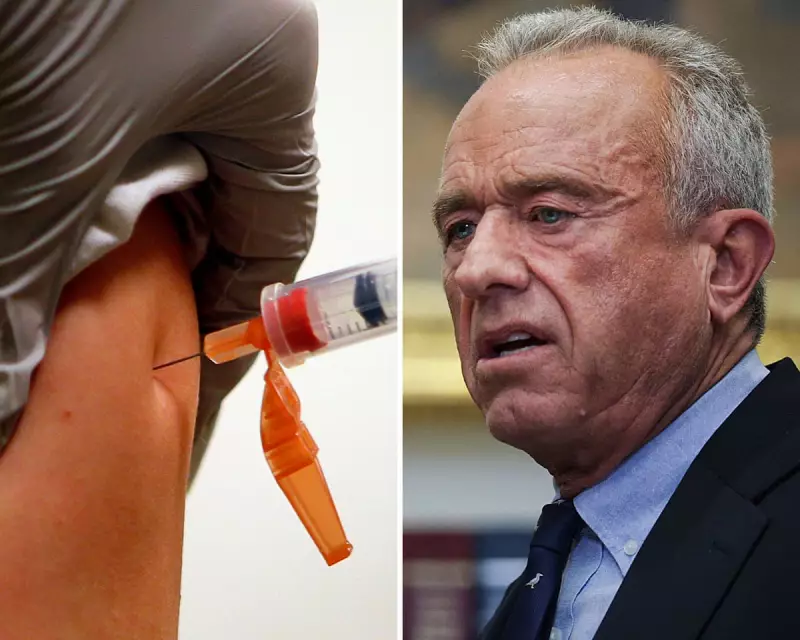
Conflicting public health messaging from senior United States officials over the necessity of the annual influenza vaccine is causing significant alarm among medical experts. This comes as the country grapples with a severe flu season, record-breaking hospitalisation rates, and a rising death toll that includes children.
Policy Shift and Controversial Comments
Amid the surge in cases, US health authorities have moved away from a full recommendation for the flu shot. In early January, guidance for child vaccinations was altered to "shared clinical decision-making", a term that typically places more onus on individual consultation. This shift has been compounded by public statements from high-ranking officials.
Robert F Kennedy Jr, the Secretary of the US Department of Health and Human Services and a long-time vaccine critic, suggested to CBS News that fewer children being vaccinated "maybe that's a better thing". He controversially claimed there was no scientific evidence the flu vaccine prevents serious outcomes in children, contradicting extensive studies from bodies like the US Centers for Disease Control and Prevention (CDC).

Similarly, Mehmet Oz, administrator for the Centers for Medicare & Medicaid Services, publicly doubted the vaccine's efficacy on Newsmax, stating "It doesn't always work very well" and recommending self-care instead.
A Severe Season with a Dangerous Strain
The dominant circulating flu strain is H3N2, subclade K, known for causing more severe illness. This particular variant has mutated to partially evade immune defences, potentially leaving more people susceptible. The last major H3N2 season in 2017-18 resulted in approximately 51,000 US deaths.
Current CDC estimates, from a 9 January weekly update, are stark: around 15 million illnesses, 180,000 hospitalisations, and 7,400 deaths this season, including at least 17 children. The rate of doctor visits for flu-like illness recently hit its highest early-season point since 1997-98.
Professor Megan Berman of the University of Texas Medical Branch reported an influx of hospitalised patients, noting "what they all had in common is actually they had not been vaccinated". She emphasised that "Children should not be dying from a preventable illness."
Falling Vaccination and Antiviral Use
Vaccination rates have been declining since a 2019-20 peak. This season, only 42.5% of children and 43.5% of adults have received the shot. Experts fear the new, softer recommendations will further dampen uptake by signalling the vaccine is not important.
Concurrently, the use of antiviral medications for flu is dropping. In the 2022-23 season, only three in five hospitalised children received them, down from four in five in 2018-19. The CDC notes that just 28% of children under five who see a doctor for flu get antivirals. This is especially concerning as nearly 300 children died from flu last season—the highest non-pandemic death toll since the CDC began tracking.
Despite the mixed messaging, the CDC's own January report concluded "There is still time to get vaccinated against flu this season." Early data from the UK, where flu season is abating, indicates the vaccine remains 70-75% effective at preventing hospitalisation in children and 30-40% effective in adults.
Broader Risks and Preventative Tools
The situation is straining a healthcare system also dealing with high COVID-19 and RSV rates. There is also a scientific concern about the ongoing H5N1 bird flu outbreak. Virologist Seema Lakdawala warned of the risk of reassortment, where two flu viruses mix to create a deadlier variant.
Experts stress that effective tools exist to control flu's impact. Lakdawala stated, "We learned something really important about flu transmission during the Covid-19 pandemic... we can control it." Alongside vaccination and antivirals, these include mask-wearing, improved ventilation, hand hygiene, and staying home when ill.
Professor Berman's message was clear: "People are not helpless. We can do something." The scientific consensus remains that vaccination is a cornerstone of personal and public protection during this severe flu season.