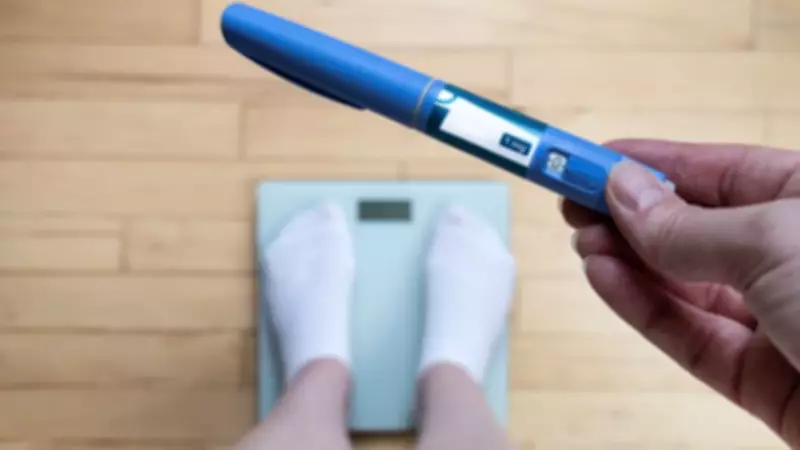
Cambridge Research Reveals Significant Weight Regain After Stopping Obesity Jabs
Individuals who discontinue weight loss injections may experience rapid weight regain within one year, potentially leaving them in a worse health position than before starting treatment, according to a new study from the University of Cambridge. The research, published in eClinicalMedicine, analyzed data from six trials involving more than 3,200 participants and found that after 52 weeks without the jabs, people had regained approximately 60% of the weight they had initially lost.
Potential Health Risks from Regained Weight Composition
Medical student Brajan Budini, from the University of Cambridge's School of Clinical Medicine and Trinity College, emphasized the critical concern regarding the composition of regained weight. "Our projections show that even though people regain most of the weight they have lost, they still maintain some of the weight loss, but what we currently don't know is if the same proportion of lean mass is recovered," Budini stated. "If the regained weight is disproportionately fat, individuals may ultimately be worse off than before in their fat-to-lean mass ratio, which may have adverse consequences for their health."
The study suggests that weight regain tends to plateau around 75% of the original weight lost by 60 weeks, meaning about 25% of the weight loss could be sustained long-term. However, researchers have called for additional trials to investigate how these medications affect body composition during and after treatment periods.

How Weight Loss Jabs Function and Their Broader Applications
Weight loss jabs belong to a class of pharmaceuticals known as GLP-1 receptor agonists. These drugs mimic the hormone GLP-1 to regulate blood sugar and insulin levels. Originally developed for type 2 diabetes management, specific formulations like semaglutide (marketed as Wegovy) and tirzepatide (Mounjaro) have received approval for obesity treatment on the NHS.
A separate study involving over 600,000 US veterans with type 2 diabetes, published in the British Medical Journal, indicates these medications might have additional therapeutic benefits. The research found that GLP-1 receptor agonists could help prevent and treat addiction to substances including alcohol, cigarettes, cannabis, cocaine, nicotine, and opioids. Experts believe these drugs work by affecting the brain's reward pathway, reducing cravings.
The US study monitored veterans for up to three years and revealed that those with no history of substance abuse had a 14% reduced overall risk of developing substance use disorders after starting the jabs. Specific risk reductions included alcohol (18%), cannabis (14%), cocaine (20%), nicotine (20%), and opioids (25%) compared to individuals using other diabetes medications.
Among veterans with existing substance use disorders, initiating the jabs was associated with a 31% lower risk of emergency department visits, hospital admissions, mortality, drug overdoses, and suicidal behaviors related to substance abuse. While the study primarily involved older men, similar outcomes were observed in women participants.
Implications for Treatment and Future Research
The Cambridge findings highlight the importance of considering long-term treatment strategies for obesity, as cessation of medication may lead to significant weight rebound. Researchers stress that maintaining weight loss requires ongoing management and that patients should be aware of potential regain when stopping these medications.
The dual studies underscore the multifaceted potential of GLP-1 receptor agonists, not only in weight management but also in addressing addiction-related health issues. As these drugs become more widely used, further investigation into their long-term effects and optimal usage protocols remains essential for maximizing patient benefits and minimizing risks.