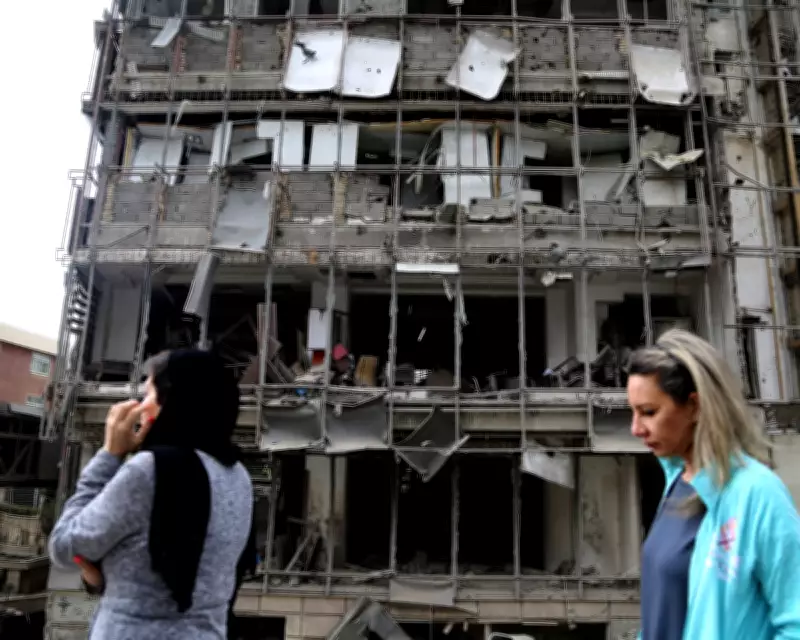
WHO Confirms Widespread Damage to Iranian Health Infrastructure in Recent Conflict
The World Health Organization (WHO) has issued a stark report detailing significant damage to healthcare facilities in Iran following the commencement of military strikes by the United States and Israel. According to the global health body, at least a dozen hospitals and health centers have been impacted, with the exact number potentially higher as assessments continue. This development raises serious alarms about the immediate and long-term effects on public health services in the region, exacerbating an already tense humanitarian situation.
Escalating Humanitarian Concerns Amid Ongoing Strikes
Since the attacks began, WHO officials have been monitoring the situation closely, noting that the damage spans multiple locations across Iran. The affected facilities include both urban hospitals and rural health clinics, which are critical for providing essential medical care to civilians. The organization emphasizes that such strikes on health infrastructure violate international humanitarian law, which protects medical units during conflicts. The disruption of services could lead to increased mortality rates from treatable conditions and hinder response efforts for injuries sustained in the attacks.
In a statement, WHO highlighted that the damage ranges from structural harm to operational disruptions, with some facilities rendered partially or fully non-functional. This has forced medical staff to work under extreme duress, often without adequate supplies or safe environments. The timing of these incidents is particularly concerning, as Iran faces existing health challenges, including non-communicable diseases and the need for routine vaccinations. The organization calls for immediate protection of all health workers and infrastructure to prevent further deterioration of the healthcare system.

International Response and Calls for Accountability
The WHO's findings have prompted calls from various international bodies and non-governmental organizations for accountability and restraint. Human rights groups argue that targeting health facilities constitutes a war crime, and they urge the involved parties to adhere to the Geneva Conventions. The United Nations has echoed these concerns, stressing that attacks on medical sites disproportionately affect vulnerable populations, including women, children, and the elderly.
As the conflict persists, WHO is coordinating with local health authorities to assess the full extent of the damage and provide emergency support. This includes deploying medical teams, supplying essential medicines, and facilitating repairs where possible. However, the ongoing nature of the strikes complicates these efforts, making it difficult to ensure safe access for humanitarian workers. The situation underscores the broader implications of modern warfare on civilian infrastructure and the urgent need for diplomatic solutions to mitigate health crises.
Looking ahead, WHO warns that the cumulative impact of these attacks could strain Iran's healthcare system for years, leading to shortages in medical personnel and resources. The organization advocates for increased international funding and support to rebuild damaged facilities and restore services. In the meantime, they continue to monitor the situation, providing updates as more information becomes available from ground sources.