World Bank Report Highlights Alarming Decline in Human Capital Across Developing Nations
A new report from the World Bank has issued a stark warning about the deteriorating state of health, education, and training in many low and middle income countries. This decline is severely depressing the future earnings potential of children born today, with significant implications for global economic stability.
Key Findings on Learning and Health Outcomes
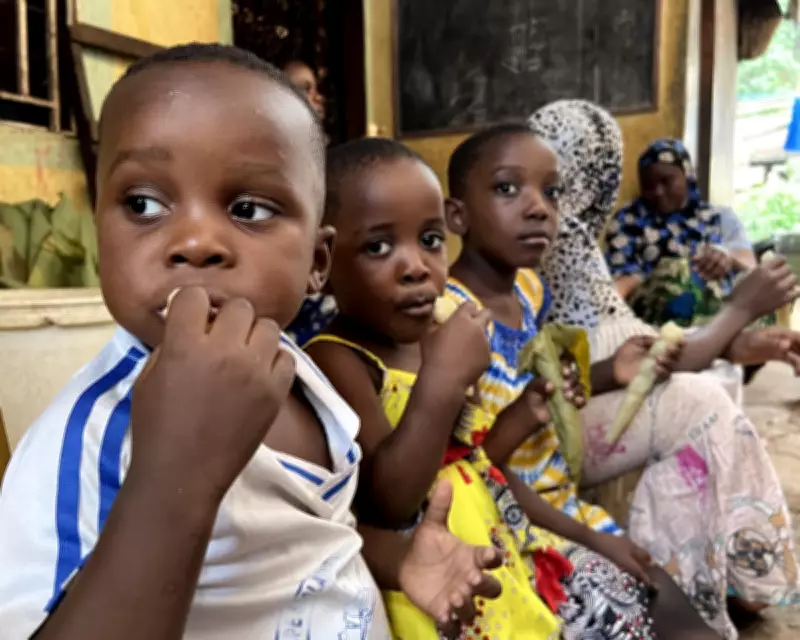
The comprehensive analysis, titled Building Human Capital Where it Matters, examines data from 129 countries. It reveals that in 86 of these nations, critical indicators of human capital have worsened between 2010 and 2025. Children in these regions are now achieving lower learning outcomes compared to 15 years ago, with the most severe declines observed in sub-Saharan Africa.
Additionally, the report points to troubling health trends. In several sub-Saharan African countries, adults are on average shorter today than they were 25 years ago, indicating a deterioration in underlying health conditions due to factors like malnutrition.

Impact on Lifetime Earnings and Economic Prosperity
The World Bank estimates that children born today in low and middle income countries could earn 51% more over their lifetimes if their nations improved human capital to match the best-performing countries at similar income levels. This shortfall threatens labor productivity and the types of jobs these economies can sustain in the future.
Mamta Murthi, the World Bank’s vice-president for people, emphasized the urgency of the situation. "The prosperity of low- and middle-income countries depends on their ability to build and protect human capital," she stated. "Right now, we see that many countries are struggling to improve nutrition, learning and skills of their current and future workforce."
Factors Contributing to the Human Capital Crisis
The 140-page report identifies multiple factors affecting human capital across three key settings:
- Homes: Quality of care has long-lasting effects. For example, millions of children in China cared for by relatives while parents seek work show higher household income but perform worse academically and exhibit increased depression.
- Neighbourhoods: Crime prevalence impacts outcomes. Research in San Salvador found people in gang-controlled areas had fewer assets, lower income, and reduced educational attainment compared to those living just 50 meters away.
- Workplaces: Training opportunities are limited. Approximately 70% of workers in these countries are in small-scale agriculture, low-quality self-employment, or microfirms, which offer minimal formal training. Additionally, 40% of women are not employed at all.
Policy Recommendations and Success Stories
To address these challenges, the World Bank recommends a range of policies, including:
- Providing parenting support and clean water access.
- Creating incentives for apprenticeships and on-the-job training.
- Focusing on improving outcomes in homes, neighbourhoods, and workplaces.
The report also highlights success stories, noting that countries like Jamaica, Kenya, the Kyrgyz Republic, and Vietnam have achieved better human capital outcomes despite similar income levels to their peers.
Broader Context and Institutional Focus
Amid skepticism from the US administration about international aid, World Bank President Ajay Banga has reframed the institution's role to prioritize jobs and economic growth. This report underscores the critical need for targeted investments in human capital to foster sustainable development and reduce global inequalities.