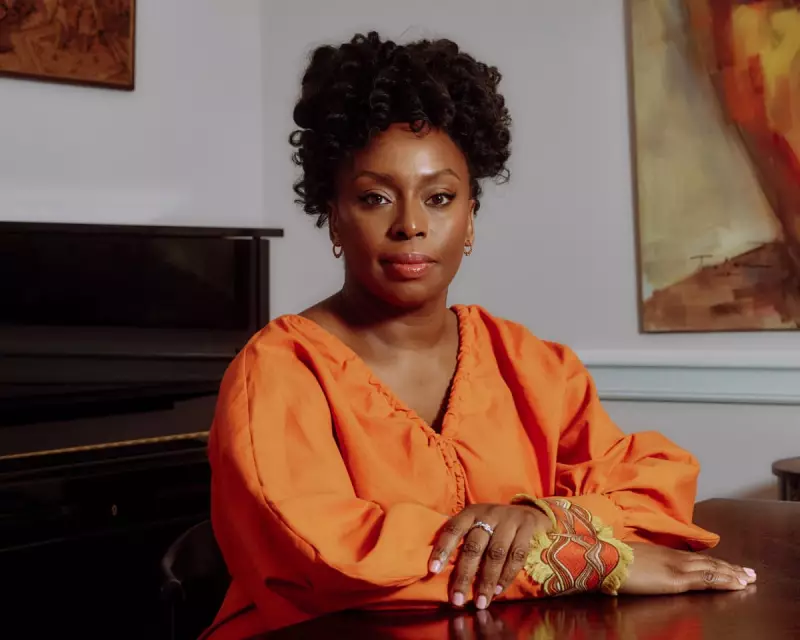
The tragic death of the young son of renowned author Chimamanda Ngozi Adichie has ignited a fierce national conversation about the state of Nigeria's healthcare system and prompted the family to begin legal proceedings.
A Personal Tragedy Highlights Systemic Failure
Adichie and her husband, Dr Ivara Esege, have initiated legal action against a hospital in Lagos following the death of their 21-month-old son, Nkanu Nnamdi. In a leaked WhatsApp message, the bestselling author revealed that a doctor informed her the resident anaesthesiologist had administered an overdose of the sedative propofol.
This personal loss has resonated deeply across Nigeria and the diaspora, triggering an outpouring of grief and a flood of shared stories about medical negligence and inadequate care within the country's health sector.

A Healthcare System in Crisis
For decades, Nigeria's public health infrastructure has been plagued by severe problems. Reports are commonplace of underpaid doctors performing surgeries by candlelight during power cuts, patients being forced to pay for basic supplies like gloves, and dilapidated facilities with non-existent research departments.
The situation is exacerbated by a crippling brain drain. Nigeria's health ministry estimates that around 16,000 doctors have left the country in the past seven years, leading to a catastrophic doctor-to-patient ratio of approximately 1:9,801. Emergency services are virtually absent, as highlighted when former world champion boxer Anthony Joshua was helped by bystanders after a car accident with no ambulance in sight.
A Culture of Silence and the Fight for Accountability
Despite widespread accounts of malpractice, formal complaints and lawsuits remain rare. Medical negligence lawyer Olisa Agbakoba, with two decades of experience, points to a lax regulatory structure with no routine inspections or effective enforcement of standards. He also cites a cultural and spiritual tendency to accept poor outcomes as "the will of God," which leads to significant underreporting.
The case of Ijoma Ugboma, who lost his wife Peju in 2021 after a routine fibroid surgery, illustrates the arduous fight for justice. He stated that a ventilator was set incorrectly for 12 hours, exacerbating her complications. After a nearly two-year legal battle that tested him "mentally, emotionally and financially," three of the four involved doctors were indicted for professional misconduct.
Ugboma's fight was hampered by a "code of silence" among medical professionals; two of the three expert witnesses who testified for his family live outside Nigeria. "People told us they’d seen all the fault lines … but nobody wanted to talk," he said.
A Wake-Up Call for Reform
Adichie's sister-in-law, Dr Anthea Esege Nwandu, has described this tragedy as a "wake-up call for the public to demand accountability." The Lagos state government has ordered an inquiry, and the high-profile nature of the case has sparked cautious optimism that it may finally trigger a comprehensive overhaul of Nigeria's health regulatory framework.
As other horrifying cases surface—like a woman in Kano who died with a pair of scissors left in her abdomen for four months—the calls for transparency and consequences grow louder. For those like Ijoma Ugboma, the exhausting marathon towards accountability is essential. "We can only have a better system," he asserts, "if more people begin to challenge them."