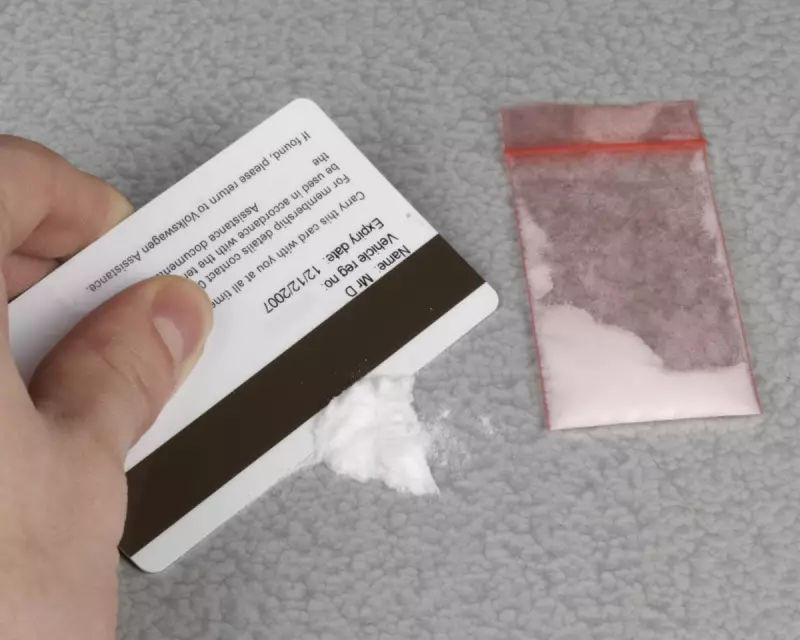
Urology departments across the United Kingdom are being pushed to breaking point by a dramatic and alarming surge in hospital admissions linked to recreational ketamine use, medical experts have warned.
The class B dissociative drug, once primarily associated with club culture, is now causing a public health emergency, with a 251.85% increase in the number of people reporting use in the past month since 2015. This represents the greatest rise for any single drug in that period, according to Office for National Statistics data.
A 'Skyrocketing' Crisis in Hospital Wards
The human cost of this statistical surge is being felt most acutely in hospital urology units, particularly in northern England. Chronic ketamine abuse inflicts severe and often irreversible damage on the bladder and urinary tract, leading to a flood of new, predominantly young patients.

Alison Downey, a consultant urologist in South Yorkshire, describes the situation as worse than she has ever witnessed in over five years as a consultant. "We’re already stretched really thin as it is and it’s been a massive increase that we’re just not equipped for," she stated.
She highlighted the town of Barnsley as a particular epicentre. "In 2021, there were 11 attendances in Barnsley A&E for ketamine-related issues for the whole year. This year, from January to May, there have been 50. That’s a huge increase for just five months."
Teenagers, Lockdowns, and a Cheap High
The profile of a typical patient is a teenager or young adult in their early 20s. Consultant urological surgeon Nadir Osman from Sheffield confirmed admissions have "skyrocketed" in recent years.
Ms Downey believes the pandemic lockdowns were a significant catalyst, with many turning to the drug as a cheap coping mechanism. "Most people I see are in their teens or early 20s, so looking at when they started doing ketamine it largely seems to have been during the pandemic," she explained.
The accessibility to school-age children is a major concern. Downey recounted disturbing reports from under-16 drug centres: "Kids pooling their pocket money together to buy some ketamine and then they’ll just share it. They’ll take little, small amounts into the school toilets and take some then, which is absolutely frightening."
Irreversible Damage and a Call for Action
Experts stress that users often don't understand the delayed but devastating physical consequences. "Ketamine is a unique drug because it seems like there are no side-effects, but it's more complicated than that," said Mr Osman. "It slowly impacts the bladder and the liver, and then the urinary tract. It takes a couple of years to begin to notice these effects, but once you start noticing them they’re pretty irreversible."
He also noted that some patients on surgical waiting lists continue to use the drug for pain relief, jeopardising their treatment.
Professor Ian Pearce, a consultant urological surgeon at Manchester Royal Infirmary, is calling for a multi-pronged approach. He emphasises the need for better public awareness, especially in schools, and more robust support for those trying to quit, given the "massive" relapse rates post-rehabilitation.
"The government should implement a targeted educational drive aimed at secondary schools to really get across the message that this is a highly negatively impactful substance with a huge potential for lifelong sequelae," Professor Pearce urged.
The consensus among frontline medical staff is clear: the ketamine crisis is no longer just an addiction issue but a full-blown clinical emergency overwhelming specialist NHS services, demanding an immediate and coordinated national response.