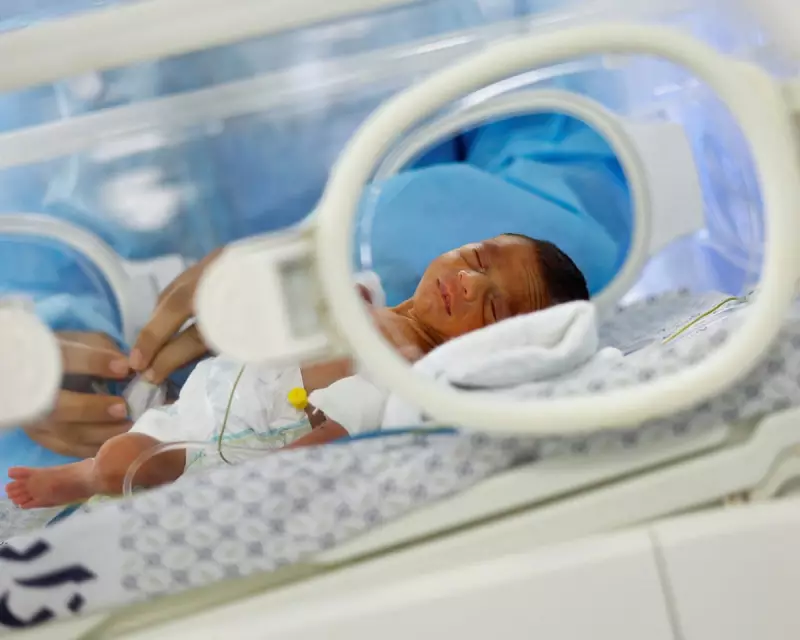
Two new human rights reports have revealed a catastrophic collapse in maternal and newborn healthcare in Gaza, linking Israel's military campaign to a steep 41% decline in births and thousands of pregnancy-related deaths and complications. The findings allege a systematic dismantling of reproductive health services that may constitute a form of genocide under international law.
A System Dismantled, Lives Destroyed
The reports, published by Physicians for Human Rights in collaboration with the University of Chicago Law School's Global Human Rights Clinic and Physicians for Human Rights–Israel, document the devastating consequences of war on pregnant women and infants. Between January and June 2025 alone, the data shows 2,600 miscarriages, 220 pregnancy-related deaths, 1,460 premature births, over 1,700 underweight newborns, and more than 2,500 infants needing intensive neonatal care.
Lama Bakri, a psychologist and project manager at Physicians for Human Rights Israel (PHRI), stated the figures represent a shocking deterioration directly resulting from war trauma, starvation, displacement, and the collapse of maternal healthcare. The health system in Gaza has been systematically taken apart since October 2023, with Israeli military operations repeatedly striking hospitals, ambulances, and medical staff.

While Israel maintains that Hamas has used hospitals for military purposes, these claims lack clear evidence. The siege conditions and sustained bombardment have severed supply lines and restricted movement between facilities, accelerating a wider public health collapse.
Impossible Choices and Lasting Trauma
As a result, mothers in Gaza face unthinkable dilemmas, routinely compromising their own health and survival to meet their children's most basic needs. With maternal care crippled by fuel shortages, blocked supplies, mass displacement, and relentless attacks, life in overcrowded tent encampments has become the only option for many.
"These conditions endanger both mothers and their unborn babies, newborns, and breastfed infants, and will have consequences for generations, permanently altering families," writes Bakri. UN Women estimates that over 6,000 mothers were killed in the first six months of the conflict—an average of two every hour.
The human cost is illustrated by personal testimonies. Masara Khamis al-Sakahfi, 32, from Rafah, described the terror of her pregnancy: "I suffered a lot; contractions would start and then suddenly stop due to fear of the airstrikes. I would freeze, and the contractions would stop."
Another mother, Sarah al-Daour, 26, from Jabalia, has a heart condition and was caught in the chaos at al-Shifa hospital. After being evacuated under gunfire, she lost her sister-in-law, Aya Naif al-Mashrafi, a nurse, who was killed along with her children and 35 other family members.
Allegations of Deliberate Reproductive Violence
The reports go beyond documenting death and injury, shedding light on what researchers describe as an alleged intent to erode the Palestinian people demographically by attacking their ability to reproduce. A key case examined is Israel's strike in December 2023 on the Al-Basma IVF clinic, Gaza's largest fertility centre.
The attack destroyed an estimated 5,000 reproductive specimens and halted between 70 and 100 IVF procedures monthly. An Independent International Commission of Inquiry concluded the attack was deliberate, directly targeting Palestinian reproductive potential. A UN commission has cited the impact on reproductive health as one reason for declaring Israel's actions a genocide.
"Reproductive violence constitutes a violation under international law; when carried out systematically and with the intent to destroy, it falls within the definition of genocide of the Genocide Convention," the reports state.
The Israeli military did not respond to a request for comment on the reports' allegations.
Despite a ceasefire that came into force in October, life in Gaza remains perilous. UNICEF spokesperson James Elder reported that more than 100 children have been killed since the ceasefire, including six who died of hypothermia this winter. Recent storms have compounded the crisis, collapsing tents and causing floods in displacement camps, killing at least four people, including two women and a girl.