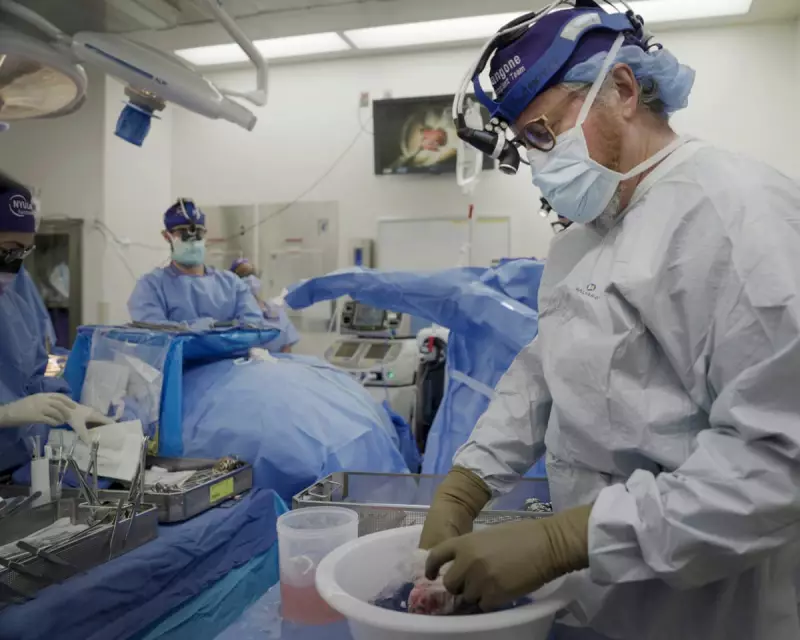
A pioneering surgeon leading a clinical trial for pig-to-human kidney transplants has made a bold prediction: genetically modified animal organs could eventually become superior to those donated by humans.
The Groundbreaking Trial and the Organ Shortage Crisis
Dr Robert Montgomery, director of the NYU Langone Transplant Institute, revealed that the first transplant in the trial has already been performed on a living patient, with a second scheduled for January. The initial phase aims to transplant gene-edited pig kidneys into six individuals. These patients are either ineligible for a human kidney transplant or are on a waiting list but are statistically more likely to die within five years than receive a donor organ.
The pigs' organs have been modified in ten key areas to reduce the risk of rejection by the human immune system. Should the US Food and Drug Administration (FDA) grant approval, the trial will expand to include a further 44 transplants.

This approach, known as xenotransplantation, is a direct response to a critical global shortage of human organs. In the UK, NHS Blood and Transplant reports a sobering statistic: over the past decade, more than 12,000 people have died or been removed from transplant lists before receiving an organ. "The truth is that there’s just never going to be enough human organs," Montgomery stated.
A Personal Mission and Pivotal Advances
Dr Montgomery's commitment is deeply personal. He inherited a fatal heart condition, dilated cardiomyopathy, which killed his father and brother. After suffering seven cardiac arrests, he received a life-saving human heart transplant in 2018. This experience fuels his drive to find new solutions.
Despite pioneering methods to increase the human organ supply—such as complex "domino" kidney chains and using organs from donors with hepatitis C—he realised progress was insufficient. "Any progress we made was kind of deleted by the ever-expanding number of people who are waiting for transplants," he explained.
The recent ability to create precision gene-edited pigs has been a game-changer. Montgomery performed the world's first gene-edited pig-to-human kidney transplant in 2021 using a deceased recipient, providing crucial safety data. "Suddenly we’re in it," he said, marking a shift from decades of speculation to tangible clinical reality.
The Future: Superior Organs and Reduced Medication
Montgomery's vision extends beyond simply replicating human organs. He suggests that pig organs could be engineered to be better. "They could be superior at some point because we can constantly modify them to make them better, where you can’t do that with a human organ," he said.
Research, including studies by Montgomery's team, indicates that transplanting the pig's thymus gland alongside the kidney may help "educate" the recipient's immune system, improving tolerance. This raises the future possibility of reducing or even eliminating the lifelong need for powerful anti-rejection drugs. "We’re not there yet, but that’s why we’re doing those studies," he added.
While kidneys and hearts show the most promise for xenotransplantation, lungs are more complex and livers remain a mystery. Of the handful of living recipients of pig organs to date, two currently live with functioning pig kidneys. Montgomery himself would consider a pig heart if he ever needed another transplant, driven by a desire for his children, who carry the same genetic heart condition, to have more options than he did.