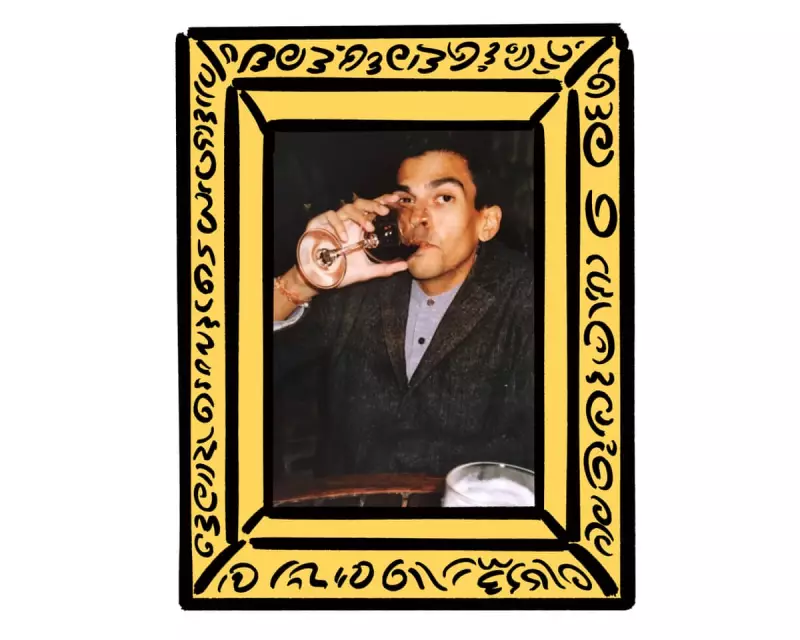
For many young adults, the ritual of the big night out is less a pastime and more a fundamental part of existence. Between the ages of 16 and 21, it was my calling. The formula was sacred: gather friends, consume drinks, surrender to deafening music, forge fleeting connections in the smoking area, consume more drinks, and somehow stumble home as dawn broke. These nights were a masterclass in escapism, a precious, temporary shield against the anxiety that daylight invariably brought.
The Escape from a Harsh Reality
This pursuit of night-time oblivion was not merely about selfish fun. It felt like a vital, necessary diversion from a reality that was profoundly difficult. The author's mother had a terminal illness and passed away when they were just 19, leaving them to navigate university life while grappling with intense grief. In this context, nights spent dancing and sharing inconsequential chatter with friends became a crucial mechanism for survival.
Venturing out alone was typically avoided, as solitude meant being cornered by one's own thoughts and emotions. However, one humid summer night in 2014 changed that pattern. Aged 21, with university life in Bristol drawing to a close and the daunting prospect of moving back in with a widowed father looming, the author found themselves on a major night out with no company left.

The Night Everyone Disappeared
The evening was planned as a final celebration with friends before leaving student accommodation. A group of five travelled to a warehouse on the outskirts of Bristol to see a performance by the dub-influenced producer the Bug, featuring MC Flowdan. The pre-event drinking proved too effective, however, and the group quickly disintegrated. One friend was denied entry for being too drunk. Another vanished into the smoking area after finding someone to kiss. This left the author with a couple notorious for their explosive arguments, who proceeded to have a final, dramatic row before storming off into the street.
Suddenly alone, the author felt a familiar, simmering anxiety begin to rise. As they finished their drink and fidgeted, preparing to leave, the atmosphere transformed. The Bug took to the stage, unleashing a sound so loud and menacing it felt physically invasive, making knees quiver and dental fillings rattle. This was signature, intense bass pressure.
A Confrontation with Fear, Not a Flight From It
The instinct to flee was powerful. But with foam earplugs inserted, standing confused and aurally overwhelmed, they began to sway. In that space, the thoughts they had long suppressed finally surfaced: questions about future work, surviving the return to the family home, and how to build a life after the loss of their mother.
Remarkably, the sheer aggression and volume of the music began to scream back at the fear. It was a strange, compelling confrontation. The longer they stayed, the more tolerance they built—both for the sonic assault and for their own distressing thoughts. A realisation dawned: they could withstand this intensity, and perhaps even find a form of enjoyment within it.
They stayed for hours, sweating and dancing solo, returning home exhausted. This was not a miraculous healing or a promise that life would always be okay. It was, however, the first time they allowed those fears and feelings to emerge without immediately trying to run. The next morning, ears ringing, they felt a tiny jolt of excitement about the uncertain future ahead, even if it meant returning to a childhood bedroom.
The Lasting Legacy of a Solo Dance
In the decade since that 2014 night in Bristol, the author has grown increasingly comfortable in their own company and with the lingering thoughts that emerge in solitude. While nights out with friends are still preferred, they now sometimes actively seek time alone. That time can be precious, poignant, or simply silly fun. The crucial lesson remains: if everyone else happens to disappear again, they possess the ability to dance and make their own good time.