Meningitis Outbreak in Kent: 20 Cases, Two Deaths, and Urgent Response
A rapidly escalating meningitis outbreak in Kent, south-east England, has now reached 20 confirmed cases, including two tragic fatalities, prompting urgent public health interventions. Experts describe the situation as one of the fastest-growing and most explosive outbreaks of the disease witnessed in the United Kingdom in recent years.
Outbreak Details and Origin
The UK Health Security Agency (UKHSA) issued a critical public health alert on March 15, confirming the outbreak centered in and around the historic city of Canterbury, Kent, which has a population of approximately 60,000 people. Health officials have identified the specific strain as meningitis B (MenB). The case count has steadily increased from an initial assessment of 11 cases to the current total of 20 invasive meningococcal disease infections.
Authorities believe all initial cases are epidemiologically linked to individuals who attended Club Chemistry, a popular nightclub in Canterbury, on the evenings of March 5, 6, or 7. In response to the outbreak, the nightclub has voluntarily closed its doors to assist containment efforts.

Tragic Losses and Community Impact
The outbreak has claimed two young lives. One victim has been identified as 18-year-old Juliette Kenny, a student studying for her A-levels at Queen Elizabeth’s Grammar School in Faversham, located about ten miles from Canterbury. Her headteacher described Kenny as an incredibly kind, thoughtful, and intelligent individual who loved her school and was very happy there.
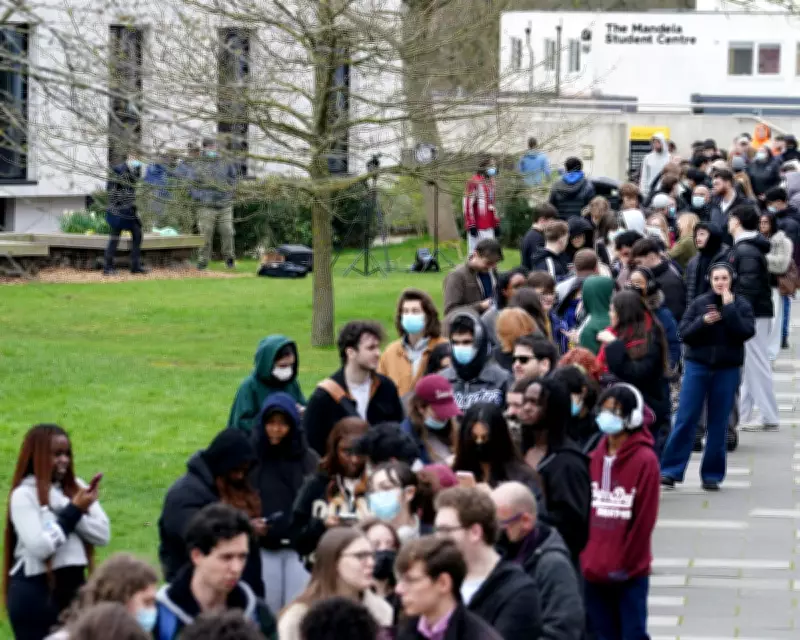
The second fatality was a student attending the University of Kent, whose identity has not yet been publicly released. The outbreak has caused significant concern across the university community and the wider Canterbury area, with reports of long queues forming for antibiotic distribution on the university campus.
Public Health Response and Measures
The UKHSA initiated a comprehensive response on March 15, including preparations for widespread antibiotic distribution. Individuals who were present at Club Chemistry on the identified dates have been strongly urged to come forward to receive prophylactic antibiotics to prevent further transmission.
On March 17, the UKHSA announced a targeted vaccination program against MenB specifically for students residing in halls of residence at the University of Kent. Health officials have indicated that this vaccination initiative could potentially be expanded to broader populations depending on the outbreak's progression.
Expert Assessments and National Context
UKHSA Chief Executive Susan Hopkins characterized the outbreak as unprecedented in terms of the number of cases occurring within such a compressed timeframe, using the term explosive to describe its rapid spread. UK Health Secretary Wes Streeting expressed particular concern about the pace and extent of the disease's dissemination in the Canterbury outbreak.
According to UKHSA data, there were 378 cases of invasive meningococcal disease reported in the 2024-25 period, with MenB accounting for approximately 80% of these cases, totaling 313 infections. This highlights the significant burden of MenB nationally, even as this current outbreak represents a concerning cluster.
Vaccination Landscape and Policy Review
The United Kingdom has established meningitis vaccination programs, though coverage varies by age group. Since 2015, the MenB vaccine has been routinely offered to infants at eight weeks, twelve weeks, and one year of age. Additionally, other childhood immunizations, including the 6-in-1 and pneumococcal vaccines, provide protection against certain forms of meningitis.
For adolescents, the MenACWY vaccine, which protects against four other meningococcal groups, is offered to students in school years 9 and 10, with eligibility extending to age 25. However, teenagers born before 2015 generally remain unvaccinated against MenB, creating a potential vulnerability in this demographic.

Despite MenB representing the majority of invasive meningococcal disease cases, the UK Joint Committee on Vaccines and Immunisation (JCVI) has historically not recommended routine MenB vaccination for teenagers. This decision was based on assessments of cost-effectiveness, noting that the vaccine does not prevent bacterial transmission between individuals, does not target all B strain variations, and offers protection of limited duration.
In light of the current outbreak, Health Secretary Wes Streeting has formally requested the JCVI to re-examine eligibility criteria for meningitis vaccines, emphasizing that he is doing so without prejudicing their independent scientific decision-making process.
The situation in Kent remains under close surveillance as public health authorities work to contain the outbreak, provide treatment to those affected, and prevent further tragic losses through coordinated vaccination and antibiotic distribution efforts.