Meningitis B Outbreak in Kent Triggers Major Public Health Response
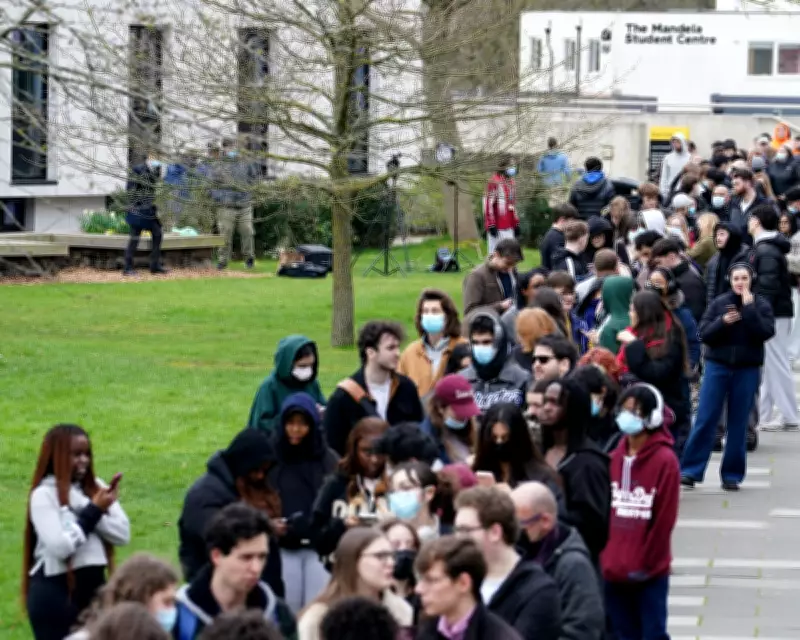
Students at the University of Kent in Canterbury have been seen queuing to receive antibiotics following a significant outbreak of meningitis B in the area. This cluster, linked to Club Chemistry in early March, represents the largest such event in a generation, with two young fatalities and several others hospitalized in serious condition.
Health Authorities Mobilize Amid Rising Concerns
In response to the crisis, health officials have launched an extensive campaign, administering antibiotics to 30,000 individuals and planning to vaccinate up to 5,000 University of Kent students against meningitis B. Health Secretary Wes Streeting has urged calm, emphasizing that transmission risks remain low and advising against private vaccinations. However, this has not prevented a nationwide rush for jabs, leading to shortages at major pharmacies like Boots and Superdrug.
Professor Andrew Preston, an expert in microbial pathogenicity at the University of Bath, notes the rarity of such outbreaks in the UK. He explains that meningitis, which attacks the brain and spinal cord linings, can cause severe complications like amputations and hearing loss, often with minimal warning signs. "It's utterly scary," Preston states, highlighting the rapid deterioration seen in young patients.

Vaccination Gaps and Economic Disparities
Currently, the NHS offers meningitis B vaccines only to infants, with private options available at approximately £110 per dose, requiring two doses for full protection. This has sparked debates about equity, as organizations like Meningitis Now advocate for broader immunization programs. Preston warns that a reliance on private vaccines could create a divide based on affordability, potentially leaving vulnerable groups unprotected.
He also cautions that data on vaccine effectiveness in older age groups is limited, and any NHS rollout would involve a cost-benefit analysis. With only a few hundred cases annually in England, widespread vaccination might not be deemed the most efficient use of resources, despite the outbreak's severity.
Unanswered Questions and Future Implications
The exact causes of the outbreak remain unclear, with factors like vaping and weakened immunity possibly playing roles. Dr. Tom Nutt of Meningitis Now has reiterated calls for expanded vaccination, citing preventable gaps in the current schedule. As the situation unfolds, this incident is likely to fuel national discussions on public health strategies and vaccine accessibility, underscoring the need for balanced approaches in disease prevention.