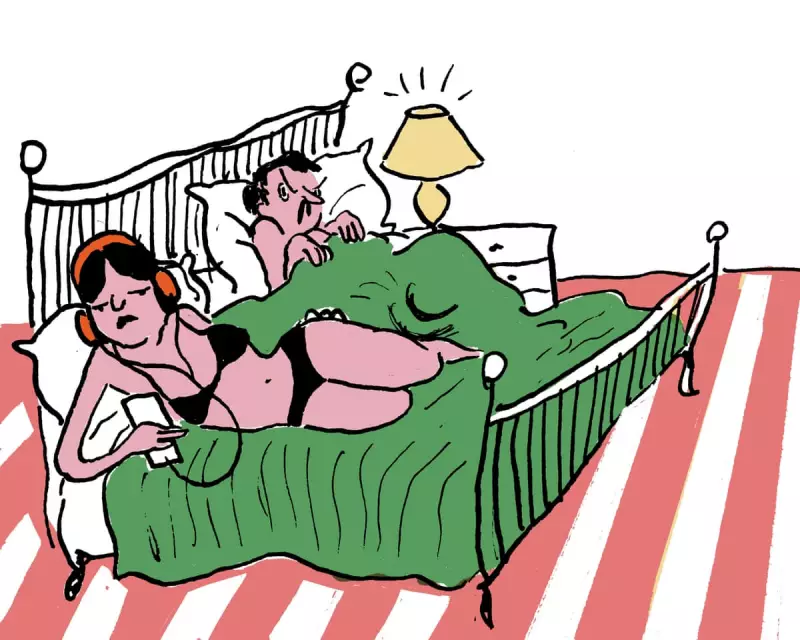
After two decades of providing candid and compassionate counsel, The Guardian's renowned 'Sexual Healing' sex advice column is coming to an end. For 20 years, clinical psychologist and comedian Pamela Stephenson Connolly has guided readers through their most intimate dilemmas, from mismatched libidos to complex fantasies.
A Legacy of Intimate Guidance
The column's archive offers a fascinating window into the private lives and sexual concerns of thousands. From threesome negotiations and performance anxiety to questions of identity and desire, the questions revealed universal struggles. The answers consistently blended psychological insight with practical, non-judgmental support.
One memorable letter came from a man whose bisexual wife had cooled on his fantasy of a threesome. He worried her unmet desires might lead her elsewhere. Connolly advised him to listen to his wife, noting that being bisexual doesn't inherently mean wanting multiple partners, and that forcing the issue could damage their marriage. She emphasised the need for a frank, blame-free conversation.

Common Themes and Candid Queries
Many letters highlighted the pressure and anxiety surrounding sexual performance. A woman concerned about her 11-times-a-day sex marathon with her boyfriend was told to focus on quality over quantity and pleasure over prowess. "What is the point of having bragging rights if your genitals are red-raw?" Connolly asked, urging the couple to abandon goal-oriented sex.
Another recurring theme was communication—or the lack thereof. A husband distressed by his wife's admission that her ex was a better lover was told not to take a statement made in anger as absolute truth, but to recognise it as a sign of deeper relationship issues requiring repair, possibly through couples counselling.
Physical compatibility issues were also frequent. A woman suffering tearing from her husband's large penis was urged to stop penetrative sex immediately and seek professional help for potential vaginismus. Conversely, a woman with a new partner she found physically incompatible was reminded that true intimacy often involves accepting imperfections and that most female pleasure stems from clitoral, not vaginal, stimulation.
Identity, Desire, and Self-Acceptance
The column often tackled issues of sexual identity. A woman in a loving relationship with a man but fantasising about a future with a woman was encouraged to explore her true long-term needs to avoid a life of regret. A 25-year-old who had never been kissed was reassured that there is no deadline for sexual experience and that she should not feel pressured by societal expectations.
Compulsive behaviours were addressed with sensitivity. A man fearing he was addicted to masturbating up to 12 times a day was advised that while his basic desire was normal, the compulsive, life-affecting nature of his urges required professional treatment, potentially for an underlying condition like OCD.
From navigating foot fetishes and post-sex masturbation to dealing with a partner's natural scent or the challenges of 'lesbian bed death' in a long-term relationship, the column covered an extraordinary range of human experience. Its conclusion marks the end of a significant chapter in public discourse on sexuality, one that treated readers' intimate problems with seriousness, wisdom, and care.