Brexit Trade Deal Won't End All Red Tape for UK Food Exports
A new agriculture agreement between the UK and the European Union will not completely eliminate Brexit-related paperwork, but it could significantly benefit exports of Scottish langoustines and oysters, the House of Lords has heard. Peers on the European affairs committee were told on Tuesday that the sanitary and phytosanitary (SPS) agreement, which is close to finalisation, will have a modest impact on the UK economy but represents a crucial step in reducing trade barriers.
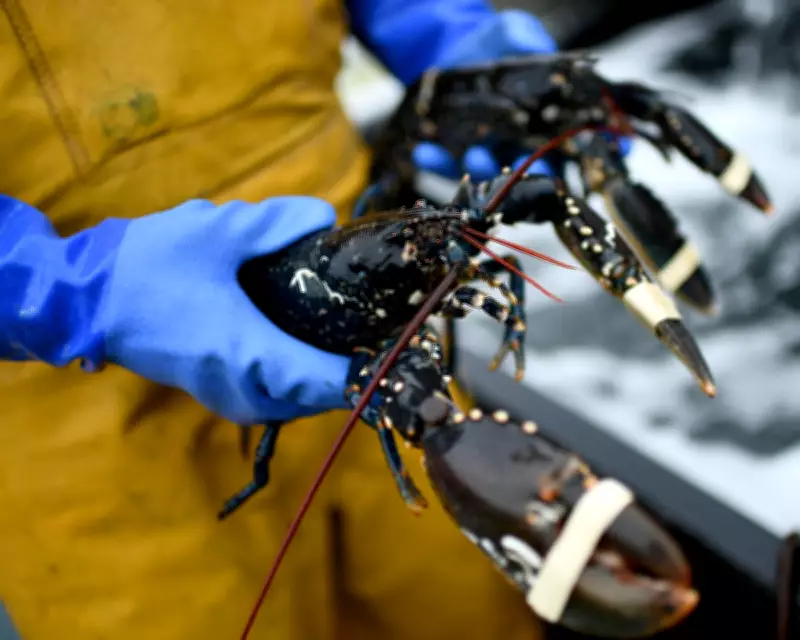
William Bain, head of trade policy at the British Chambers of Commerce, highlighted that the deal could end physical checks on farm produce and remove the need for costly veterinary certificates, each priced at £200. It might also eliminate the requirement to label food as "Not for EU," a measure that has posed significant challenges for wholesalers and distributors. Bain, who is Scottish, noted that this could reopen export opportunities for Scottish langoustines and molluscs, which before Brexit could be fished and served to diners in Paris within a single day. Many exports halted due to border checks that reduced the seafood's shelf life.
Limitations of the Agreement
However, the SPS deal will not erase all administrative burdens. British exporters will still need to complete customs, VAT, and safety and security declarations. Labour's proposal to reduce trade barriers involves dynamic alignment with EU rules and regulations for farm produce, applying all future EU standards. Currently under negotiation is an agreement to accept 76 laws that have either been passed in Brussels or from which the UK has diverged in the agricultural sector.

Shanker Singham, chair of the Growth Commission and a former adviser on Brexit arrangements for Northern Ireland, suggested an alternative approach. He pointed to mutual recognition of food standards, similar to the trade relationship between New Zealand and the UK, which would avoid the need for dynamic alignment with the EU. Singham emphasized that the UK holds significant commercial leverage in talks, with about 23% of the EU's global agrifood exports going to the UK, while much less flows in the opposite direction. This imbalance, he argued, gives Keir Starmer a substantial buyer's advantage in negotiations.
Trade Imbalances and Future Prospects
The trade disparity stems partly from the EU's strict implementation of Brexit rules from day one, leading up to 20,000 British businesses ceasing exports to the bloc. In contrast, the UK opted for random inspections on fresh food rather than full border controls. Sam Lowe, head of trade and market access practice at Flint Global, noted that dynamic alignment could nearly eliminate physical inspections, a benefit not offered by a mutual recognition deal like that between New Zealand and Australia. He explained that the UK is seeking EU recognition of its dynamic alignment to improve treatment for its exporters, as EU exporters already benefit from UK recognition of their rules.
In summary, while the new agriculture deal promises to ease some Brexit trade barriers and revive exports like Scottish shellfish, it falls short of removing all red tape. The ongoing negotiations highlight the complex balance between regulatory alignment and mutual recognition in post-Brexit trade relations.